


What's Happening?
Bryan Glazer, co-owner of Manchester United, is under renewed scrutiny regarding his family's management of the club. A journalist, Oliver Holt, recounted an incident from 2009 where Glazer avoided answering questions about the club's management at an NFL
event in Tampa, Florida, signaling security to block the reporter. Seventeen years later, the Glazer family continues to rarely address external inquiries about their management style. Avram Glazer, another co-owner, recently stated at a London sports investment conference that major clubs like Manchester United do not need to rely on on-field performance to maintain commercial influence, a comment that further angered fans. The club's current situation is deteriorating, with the team near the Premier League relegation zone. The Glazer family has reportedly extracted over a billion pounds from the club through debt interest and shareholder dividends. Minority shareholder Sir Jim Ratcliffe's involvement in football operations has also failed to appease fan discontent. This marks the first time in 40 years that Manchester United has been in the relegation zone after at least nine league matches.
Why It's Important?
The ongoing fan discontent and the Glazer family's management style at Manchester United highlight a significant issue in modern sports ownership, particularly concerning U.S. owners of international sports franchises. The perceived detachment of the Glazer family, who manage the club remotely from Florida, USA, and their focus on commercial influence over on-field performance, has led to a deep rift with the club's traditional fanbase. This situation underscores the tension between sports as a cultural institution and as a business enterprise. The financial extraction from the club, totaling over a billion pounds, raises questions about the long-term sustainability and competitive integrity of such ownership models. The struggle of fans to effect change, despite numerous protests, reflects a broader challenge faced by supporters in influencing the decisions of wealthy, often absentee, owners. This dynamic can impact team performance, fan engagement, and the overall brand value of a global sports entity.
What's Next?
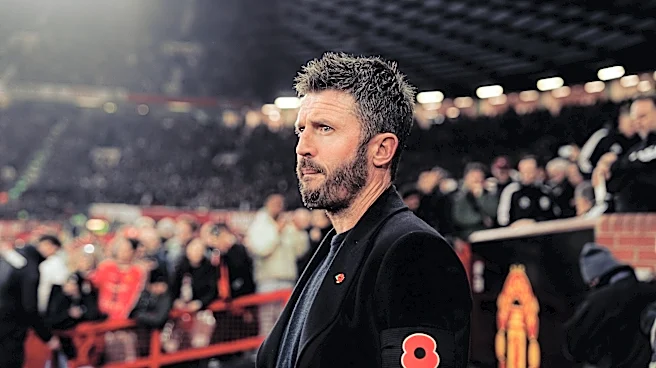
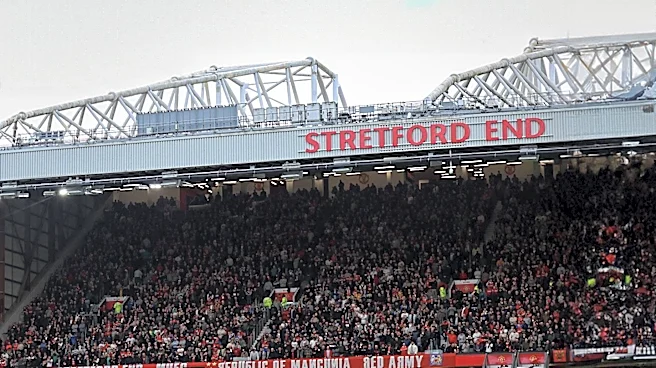
Protests at Old Trafford have intensified, with fans displaying green and gold decorations and chanting for the Glazer family's departure. Banners calling for new owners rather than a new stadium indicate a clear demand for a change in leadership. However, the effectiveness of these protests is complicated by the changing demographics of match attendees, with more tourists and day-trippers less inclined to participate in protests compared to traditional season ticket holders. The journalist Oliver Holt suggests that for protests to be successful, fans must remain united and their actions must impact the perception of the match, especially televised broadcasts, to pressure broadcasters and sponsors. The challenge for Manchester United fans is to overcome internal divisions and mobilize collective action that is sustained and impactful enough to genuinely influence the ownership, as demonstrated by past successful fan movements against the European Super League and other ownership groups.
Beyond the Headlines
The situation at Manchester United transcends typical sports news, touching upon broader themes of corporate governance, fan activism, and the globalization of sports. The Glazer family's remote management from the U.S. and their commercial-first approach raise ethical questions about the responsibility of owners to the cultural heritage and community associated with a sports club. The struggle of fans to assert their influence against powerful financial interests highlights the evolving relationship between sports teams and their supporters in an increasingly commercialized landscape. This case could serve as a precedent for how fan power can or cannot shape the future of major sports franchises, potentially influencing regulatory discussions around club ownership and fan representation in sports leagues globally. The long-term implications could include shifts in how sports entities balance financial profitability with competitive success and fan loyalty.