



What's Happening?
A new travel trend, dubbed 'pilgra-merch,' is emerging where tourists are actively seeking out destination-specific merchandise, transforming souvenirs into both fashion statements and primary reasons for travel. This trend, highlighted in Skyscanner’s
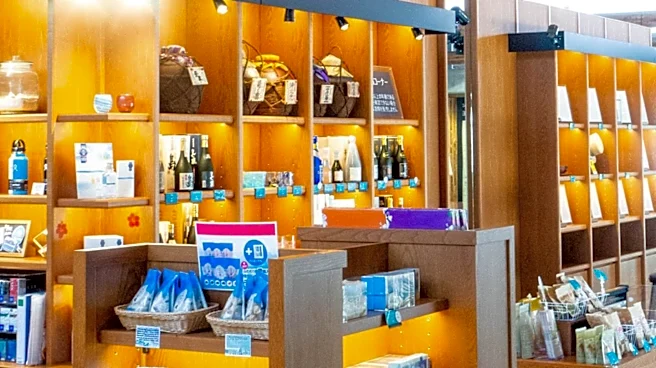
latest travel trends report, indicates a shift from last-minute airport gift shop purchases to a deliberate pursuit of items that cannot be easily acquired elsewhere. Examples range from limited-edition supermarket tote bags, like those from Trader Joe's in the United States, to branded luxury hotel items such as robes and caps from establishments like Ritz Paris. The appeal lies in the sense of place, exclusivity, and cultural recognition these items offer, with social media playing a significant role in allowing travelers to display their unique acquisitions. The report suggests that approximately 23% of travelers surveyed had planned a trip in the past year specifically to purchase something unavailable online, with Millennials showing a particular interest in luxury hotel merchandise.
Why It's Important?
This 'pilgra-merch' trend signifies a notable evolution in consumer behavior within the travel and retail sectors. For U.S. businesses, particularly in hospitality and specialty retail, it presents a new avenue for engagement and revenue generation. Luxury hotels and unique local businesses can leverage this desire for exclusivity by creating distinctive, location-specific merchandise that encourages travel and fosters brand loyalty. The trend also highlights the growing influence of social media on purchasing decisions, as travelers use these platforms to showcase their unique finds, inadvertently promoting destinations and brands. This shift could lead to increased tourism in areas known for specific products, benefiting local economies and small businesses. Conversely, businesses that fail to adapt to this demand for unique, experience-driven retail might miss out on a growing market segment, as travelers prioritize tangible mementos that signify a unique journey over generic souvenirs.
What's Next?
The 'pilgra-merch' trend is likely to continue gaining momentum, prompting businesses to innovate their merchandise strategies. We can expect to see more collaborations between travel destinations and brands to create exclusive products. Hotels, resorts, and even local grocery chains may invest more in developing unique, high-quality branded items that serve as both souvenirs and fashion statements. Travel agencies and tourism boards might begin to incorporate 'merchandise hunting' into their curated travel packages, promoting specific regions or establishments based on their exclusive offerings. Furthermore, the role of social media in amplifying this trend will likely grow, with influencers and travelers actively sharing their 'pilgra-merch' finds, further driving demand and inspiring others to travel for similar purchases. This could also lead to a rise in secondary markets for these exclusive items, similar to the sneaker resale market.
Beyond the Headlines
Beyond its immediate economic implications, the 'pilgra-merch' trend touches upon deeper psychological and cultural aspects of travel and identity. The desire to own exclusive items reflects a human need for belonging and self-expression, allowing individuals to signal their unique experiences and affiliations. In an increasingly globalized and digital world, these tangible, location-specific items offer a sense of authenticity and a personal connection to a place that online purchases cannot replicate. This trend also subtly challenges the notion of traditional tourism, where the focus is solely on sightseeing, by integrating a curated shopping experience as a core component of the travel itinerary. It underscores a broader cultural shift towards valuing experiences and the tangible representations of those experiences, transforming ordinary objects into cherished symbols of personal journeys and shared narratives.