








What's Happening?
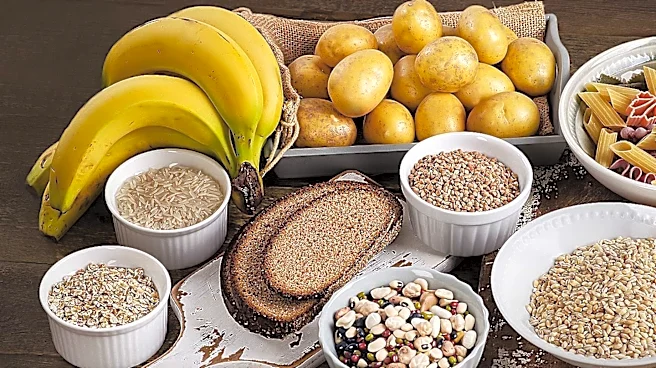
A new approach to enhancing gut health involves transforming carbohydrates into resistant starch, which acts as a prebiotic. This process, known as starch retrogradation, occurs when carb-rich foods like pasta, potatoes, or rice are cooked and then cooled.
The cooling process reorganizes the starch molecules, making them resistant to digestion in the small intestine and beneficial for gut bacteria. Dietitian Julie Pace explains that resistant starch can improve gut health by producing short-chain fatty acids, which nourish the colon and reduce inflammation. The process also offers additional health benefits, such as lower cholesterol levels and reduced blood sugar spikes.
Why It's Important?
The focus on resistant starch highlights the growing interest in gut health and its impact on overall well-being. As more people seek to improve their digestive health, understanding how to incorporate resistant starch into their diets can offer significant health benefits. This approach aligns with broader trends in health and wellness, emphasizing natural and functional foods. The potential benefits of resistant starch, such as improved bowel regularity and reduced risk of colon cancer, make it an attractive option for those looking to enhance their diet. The information also provides practical guidance for consumers on how to safely prepare and store foods to maximize resistant starch content.