



What's Happening?
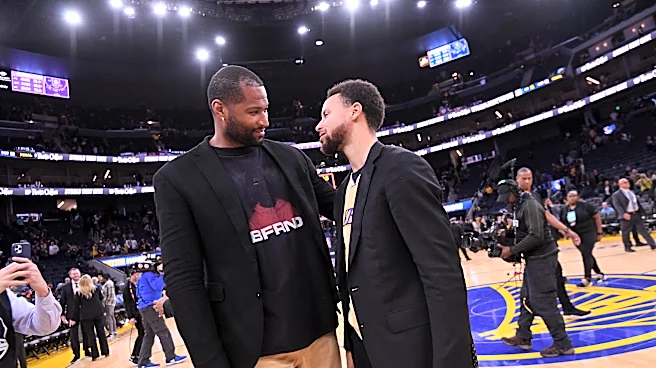
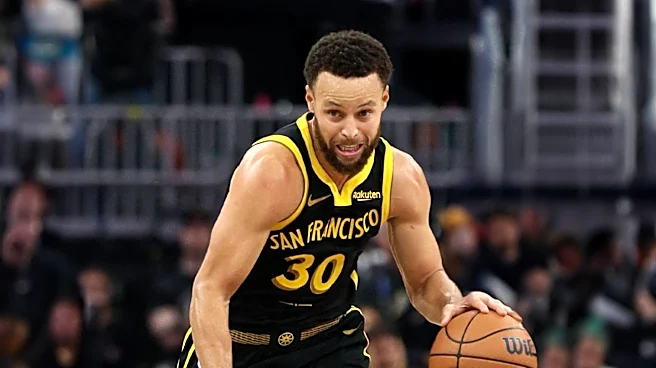
Former NBA player DeMarcus Cousins has publicly challenged the Golden State Warriors' approach to Stephen Curry's future, arguing that the team must either commit to building a championship contender around him or allow him to pursue a title elsewhere.
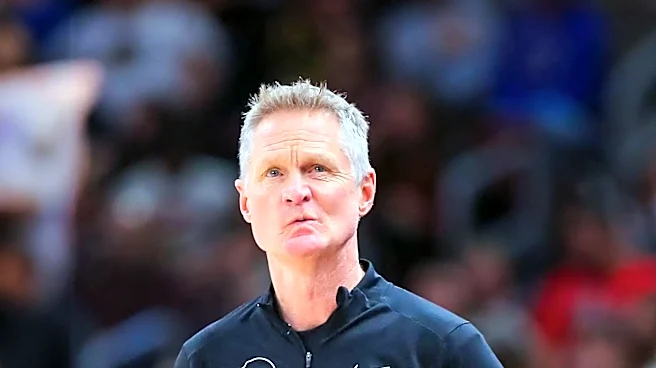
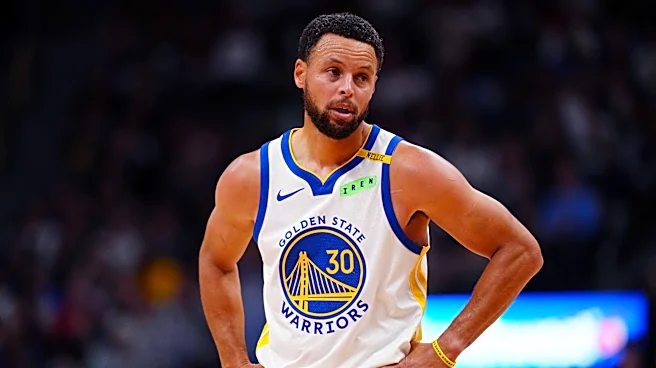
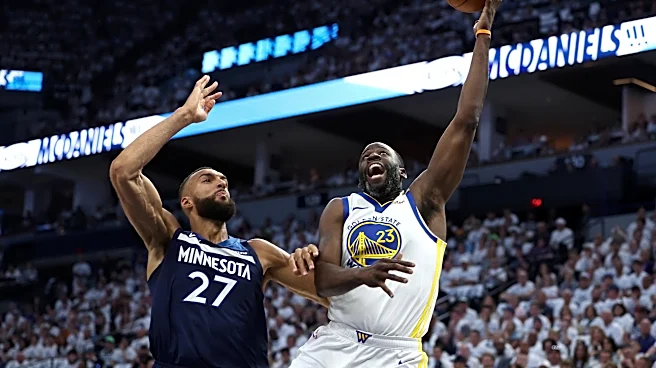
Cousins' comments came during an appearance on Gil’s Arena, where he criticized Warriors coach Steve Kerr's defense of general manager Mike Dunleavy Jr. and owner Joe Lacob's cautious strategy. Kerr had questioned the wisdom of sacrificing significant future first-round picks for a player approaching 39. Cousins highlighted Curry's continued elite performance, citing a recent 44-point game against the Minnesota Timberwolves, to argue that Curry still has a championship window. He contended that the Warriors cannot acknowledge Curry's championship potential while simultaneously refusing to invest in improving the supporting cast.
Why It's Important?
DeMarcus Cousins' critique brings to light a significant strategic dilemma for the Golden State Warriors: how to balance immediate championship aspirations with long-term team building, especially concerning a generational talent like Stephen Curry. Curry's age (approaching 39) presents a challenge for the front office, as investing heavily in his current window could jeopardize future flexibility. However, failing to maximize his remaining prime years risks squandering an opportunity for more championships. This debate impacts the team's trade decisions, draft strategy, and overall financial planning. The outcome will determine whether the Warriors prioritize another title run with Curry or begin a more extensive rebuilding phase, potentially alienating a loyal fanbase and a superstar player. The discussion also reflects broader NBA trends where aging superstars often force teams to make difficult choices about their competitive timelines.
What's Next?
The Golden State Warriors' front office, including general manager Mike Dunleavy Jr. and owner Joe Lacob, will need to address the tension between maximizing Stephen Curry's championship window and preserving future assets. This could involve evaluating potential trade targets more aggressively or making significant moves to bolster the current roster. Coach Steve Kerr's public statements and the team's performance in the upcoming season will be closely watched for indications of their strategic direction. If the Warriors continue to struggle or fail to make deep playoff runs, the pressure to make a definitive decision about Curry's future will intensify. Conversely, strong performance could temporarily alleviate these concerns, but the underlying strategic questions will remain as Curry continues to age.
Beyond the Headlines
The debate surrounding Stephen Curry's future with the Warriors touches upon the complex dynamics of loyalty, legacy, and competitive ambition in professional sports. For a player of Curry's stature, who has brought multiple championships to the franchise, the expectation of continued investment is high. However, the business side of the NBA often necessitates difficult decisions that can clash with sentimental attachments. This situation could set a precedent for how other franchises manage their aging superstars, particularly those who remain highly productive. It also highlights the ongoing tension between player empowerment and front-office control, as players like Cousins advocate for a clear commitment to winning for their former teammates. The resolution of this dilemma will not only impact the Warriors but also contribute to the evolving narrative of player-team relationships in the league.