
What's Happening?
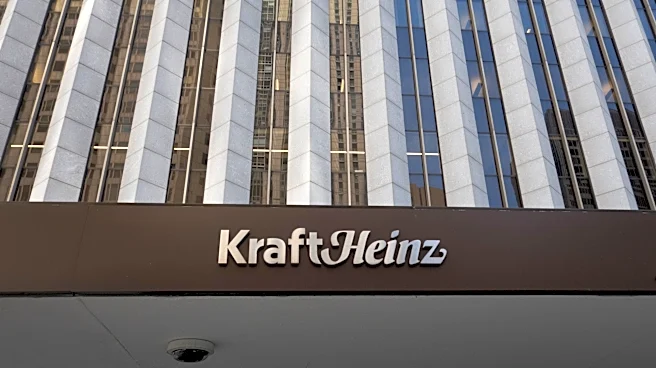
Kraft Heinz, the third-largest food and beverage company in North America and fifth-largest globally, is actively recruiting for a National Account Manager, Emerging Customers, a remote position based
in the United States. This role is crucial for expanding the company's business with new clients, focusing on profitability, market share gains, and revenue targets. The successful candidate will be responsible for serving as a liaison between customers and the Kraft Heinz Sales organization, utilizing market and insights data to identify potential customers. They will also tailor programs consistent with customer strategy to deliver superior results and align with business-sector expectations. The position requires developing, tracking, analyzing, and evaluating business plans based on 'Away From Home' (AFH) priorities, customer strategies, and external factors to build total customer profit. This strategic hire underscores Kraft Heinz's commitment to growth and market penetration within the U.S. food and beverage sector.
Why It's Important?
This recruitment drive by Kraft Heinz is significant for the U.S. food and beverage industry as it signals the company's aggressive strategy to capture new market segments and strengthen its competitive position. As a major player with an extensive portfolio of iconic brands, Kraft Heinz's expansion efforts can influence market dynamics, potentially leading to increased competition and innovation among food manufacturers. The focus on 'emerging customers' suggests an intent to tap into underserved or rapidly growing consumer bases, which could include new retail formats, food service providers, or specialized distribution channels. For stakeholders, this means potential shifts in supply chain demands, marketing strategies, and product development across the industry. The remote nature of the position also highlights a broader trend in corporate hiring, offering flexibility while still aiming for national reach and impact. This move could lead to greater market penetration for Kraft Heinz, impacting smaller competitors and potentially influencing consumer choices through wider product availability.
What's Next?
The successful onboarding of a National Account Manager for Emerging Customers will likely lead to a concentrated effort by Kraft Heinz to identify and secure new business partnerships across the United States. This will involve developing and implementing tailored business plans, conducting periodic business reviews with new clients, and driving efficient trade programs to ensure a strong return on investment. The role's emphasis on utilizing market and insights data suggests a data-driven approach to market expansion, which could result in the introduction of new products or customized offerings to meet the specific needs of emerging customer segments. Internally, the new manager will communicate and influence the implementation of business plans across various departments, including Supply Chain, Demand Planning, Legal, Culinary, Marketing, and R&D, ensuring a cohesive strategy for growth. This strategic hire is a foundational step in Kraft Heinz's broader plan to transform the food industry and expand its reach.
Beyond the Headlines
Beyond the immediate business implications, Kraft Heinz's focus on 'emerging customers' could reflect a deeper strategic pivot towards adapting to evolving consumer behaviors and market structures in the U.S. food landscape. This might involve targeting younger demographics, health-conscious consumers, or those seeking convenience and sustainability in their food choices. The company's dedication to offering 'high-quality, nutritious foods' suggests an alignment with current public health trends and consumer demands for healthier options. This strategic direction could also influence the broader food industry to innovate and adapt, potentially leading to a more diverse and responsive market. The emphasis on building business with customers measured by profitability achievement, share gains, and revenue targets underscores a commitment to sustainable growth, which could have long-term effects on the competitive landscape and the types of food products available to U.S. consumers.