


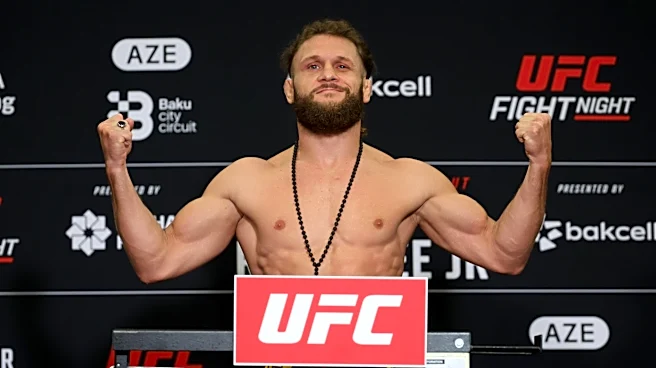


What's Happening?
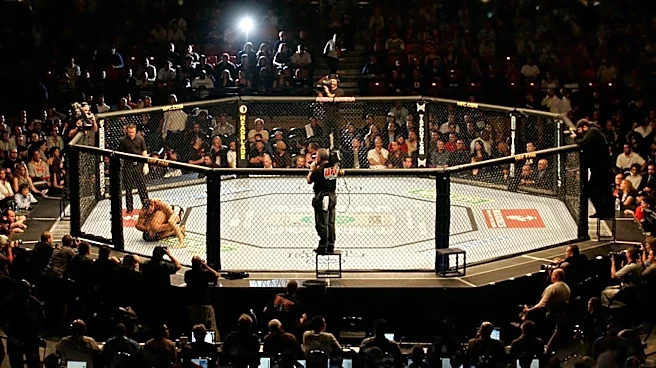
The UFC Baku event on June 27 has brought to light significant issues with officiating in mixed martial arts (MMA). During the preliminary card, a fight between Tahir Abdullayev and Jefferson Nascimento was marred by questionable decisions from referee
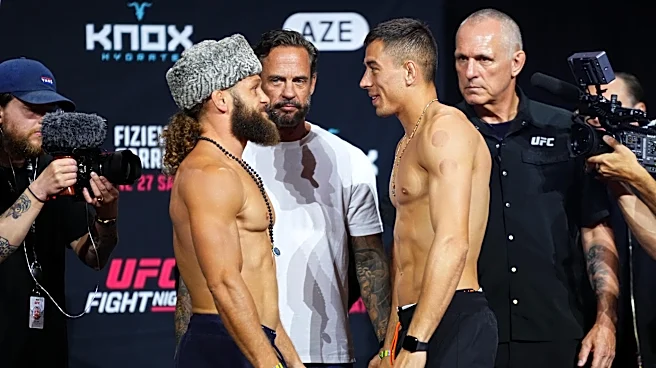
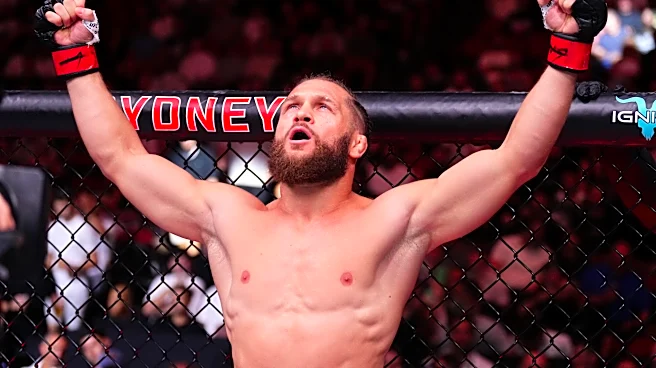
Jim Perdios. Despite Nascimento outworking Abdullayev, he received a warning for inactivity, while Abdullayev was not penalized for a late punch after the second round. The co-main event between Shara 'Bullet' Magomedov and Michel Pereira also faced scrutiny, with referee Herb Dean failing to penalize Magomedov for hair-pulling and an eye poke, which influenced the fight's outcome. These incidents have sparked calls for increased oversight and accountability in MMA officiating.
Why It's Important?
The controversies at UFC Baku underscore ongoing concerns about the integrity of MMA officiating. Questionable calls can significantly impact fighters' careers and the sport's reputation. The lack of consistent enforcement of rules by referees like Jim Perdios and Herb Dean raises questions about the effectiveness of current oversight mechanisms. This situation affects not only the fighters but also the fans and stakeholders who expect fair competition. The repeated issues highlight the need for reform in how referees and judges are trained and held accountable, potentially influencing future regulatory changes in the sport.
What's Next?
The recurring officiating issues in MMA may prompt regulatory bodies to reevaluate their oversight processes. There could be increased pressure on state athletic commissions to implement stricter training and accountability measures for referees and judges. Stakeholders, including fighters and promoters, might advocate for reforms to ensure fairer competition. The UFC and other organizations may also consider internal reviews to address these concerns and maintain the sport's credibility. The ongoing dialogue could lead to significant changes in how MMA events are officiated in the future.