



What's Happening?
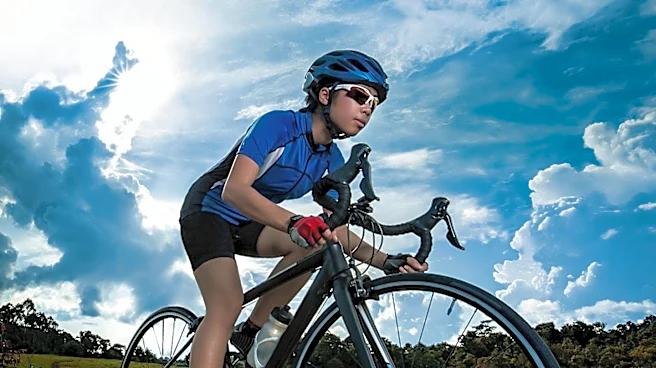
Andy Turner, a Sport & Exercise Scientist and cycling coach, highlights the critical importance of balancing training load with other life stressors for amateur athletes. He notes that higher training loads, combined with responsibilities like childcare,
demanding jobs, poor sleep, or inadequate nutrition, contribute to overall stress. Turner advises that when coaching riders, the initial step is to assess the realistic amount of time they can dedicate to training while ensuring sufficient time for work, family, life, and rest. This comprehensive evaluation of 'the sum of all stresses' and available time for both training and recovery is crucial for effective training outcomes. He emphasizes that quality of training surpasses quantity, suggesting that three to seven hours of structured training can yield greater gains than seven to ten hours of unstructured efforts. Adequate rest is presented as a non-negotiable component, as it allows the body to adapt to training stress and improve fitness, preventing issues like dysfunctional overreaching and overtraining syndrome, which can require months for recovery.
Why It's Important?
This guidance is vital for amateur athletes in the U.S. who often juggle demanding careers and family lives alongside their athletic pursuits. Without proper balance, the pursuit of fitness can lead to burnout, injury, and negative impacts on overall well-being. Turner's approach underscores that training is not an isolated activity but is deeply integrated with an individual's lifestyle, sleep patterns, and nutritional habits. For many, the desire to achieve fitness goals can lead to overtraining, especially when comparing themselves to professional athletes with more dedicated time. This advice helps amateur athletes set realistic expectations and adopt sustainable training practices, preventing physical and mental exhaustion. By prioritizing rest and acknowledging external stressors, athletes can optimize their performance, maintain long-term health, and avoid the detrimental effects of overtraining, which can include prolonged recovery periods and a loss of motivation.
What's Next?
Amateur athletes and their coaches are likely to increasingly adopt a more holistic approach to training, integrating lifestyle factors more explicitly into training plans. This could lead to a greater emphasis on personalized coaching that considers an individual's unique life circumstances, rather than a one-size-fits-all training regimen. Wearable technology and data analytics might also play a larger role in monitoring not just training load but also sleep quality, stress levels, and recovery metrics, providing a more comprehensive view of an athlete's overall well-being. Educational resources for amateur athletes may also expand to cover topics beyond just exercise physiology, including stress management, sleep hygiene, and nutrition, reinforcing the interconnectedness of these elements for optimal performance and health. The sports coaching industry may see a shift towards coaches with broader expertise in lifestyle management, not just athletic performance.
Beyond the Headlines
The discussion around balancing training with life's demands touches upon a broader societal challenge: the pursuit of excellence in multiple domains without sacrificing well-being. In a culture that often glorifies 'hustle' and constant activity, the message that rest and recovery are equally important as effort is a significant counter-narrative. This perspective encourages a more sustainable and healthier approach to personal goals, whether in sports, career, or personal development. It highlights the importance of self-awareness and setting boundaries, recognizing that human capacity is finite and requires replenishment. This philosophy can extend beyond sports, influencing how individuals approach work-life balance and overall self-care, promoting a more integrated view of health where physical activity is part of a larger ecosystem of well-being, rather than a standalone pursuit that can be pushed to extremes without consequence.