








What's Happening?
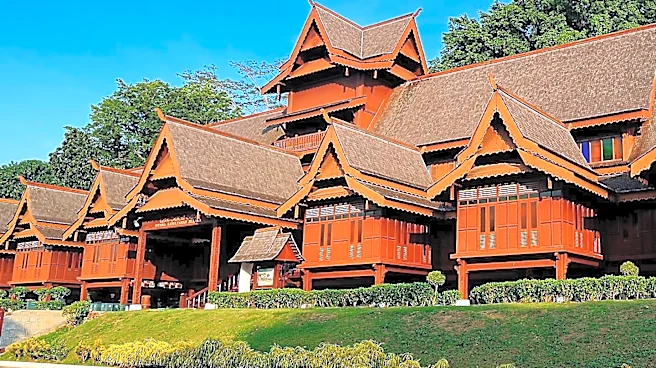
Traditional homes in regions like Kerala, Himachal Pradesh, and the Western Ghats feature sloping roofs, a design choice driven by climate-responsive engineering rather than mere architectural style. These roofs efficiently direct rainwater away from
structures, reducing water stagnation, roof leakage, and structural deterioration, while also enhancing rainwater harvesting efficiency. The air cavity beneath pitched roofs acts as an insulating layer, improving thermal comfort by keeping interiors cooler. Modern urban construction, however, has shifted towards flat concrete roofs, which are faster to construct and better suited for multi-storey development but increase dependence on waterproofing chemicals and mechanical cooling.
Why It's Important?
The emphasis on traditional architecture's climate-responsive design highlights the importance of sustainable building practices that align with environmental conditions. By incorporating features like sloping roofs, traditional homes not only improve thermal comfort and reduce structural damage but also enhance water management through efficient rainwater harvesting. This approach reduces reliance on energy-intensive cooling systems and promotes the use of locally available, low-carbon materials. As modern construction trends towards standardized designs, revisiting traditional methods offers valuable insights into creating sustainable, resilient buildings that are better suited to their environments.