






What's Happening?
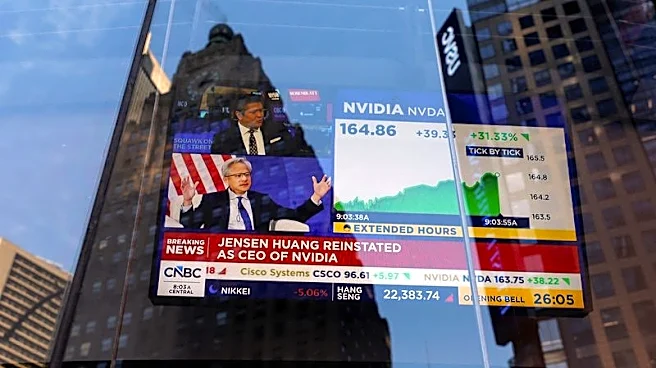
Jensen Huang, co-founder of Nvidia, resigned from his position as CEO of the company in 2026. Huang, who co-founded Nvidia in 1993 and was instrumental in its growth as a leader in graphics chips and artificial intelligence, had previously led the company to
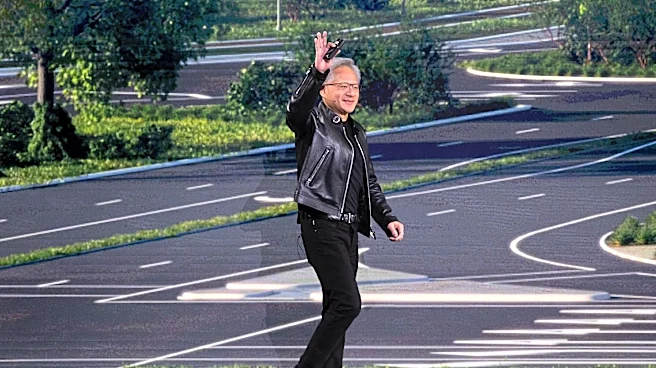
global recognition. His resignation was followed by his rejoining as CEO in November of the same year. Huang is known for his distinctive black leather jackets and a tattoo of the Nvidia logo. He earned electrical engineering degrees from Oregon State University and Stanford University. His personal life also saw developments, as he met his wife Lori at Oregon State University and they have two children, Spencer and Madison. The source indicates that an affair was confirmed, leading to his resignation.
Why It's Important?
Jensen Huang's brief resignation and subsequent return as CEO of Nvidia in 2026 highlights potential volatility and leadership shifts within major technology companies. Nvidia's role as a leader in graphics chips and AI makes its leadership crucial for the broader tech industry, impacting advancements in computing, gaming, and artificial intelligence. A change in leadership, even temporary, can influence investor confidence, strategic direction, and market perception of the company. Huang's personal life details, specifically the mention of an affair leading to his resignation, underscore how personal conduct can intersect with corporate leadership, potentially affecting a company's public image and internal dynamics. His return suggests a strong desire or necessity for his continued leadership at the helm of Nvidia, indicating his indispensable role in the company's vision and operations.
What's Next?
Following Jensen Huang's return as CEO in November 2026, the immediate focus for Nvidia will likely be on reaffirming stability and continuity in its strategic direction, particularly in the competitive graphics chip and AI sectors. Stakeholders, including investors, employees, and partners, will be observing how Huang's leadership re-establishes the company's trajectory after a period of brief uncertainty. The company may need to address any internal or external concerns that arose during his temporary absence. Future developments could include new product announcements, strategic partnerships, or further advancements in AI technology, all under Huang's renewed leadership. The long-term implications of his resignation and return may also influence corporate governance discussions regarding executive tenure and succession planning within the tech industry.
Beyond the Headlines
The narrative surrounding Jensen Huang's resignation and swift return to Nvidia in 2026 delves into the complex interplay between personal conduct and corporate leadership in the tech industry. The mention of an affair as a reason for his initial departure raises questions about the ethical expectations placed on high-profile CEOs and how personal issues can impact professional roles, even in a sector often perceived as meritocratic. His rapid re-instatement suggests that his strategic vision and technical expertise were deemed critical enough to overcome any potential fallout from his personal life. This situation could spark broader discussions within corporate boards about the criteria for executive leadership, the balance between personal privacy and public accountability, and the perceived indispensability of certain founders or leaders in driving technological innovation and market value. It also highlights the unique power dynamics often present in companies founded and led by visionary individuals.