





What's Happening?
Saudi Arabia is actively pursuing access to foreign government-held strategic oil storage for its state-owned company, Aramco. This initiative comes as the kingdom seeks to enhance the resilience of its oil supplies to customers in the face of ongoing
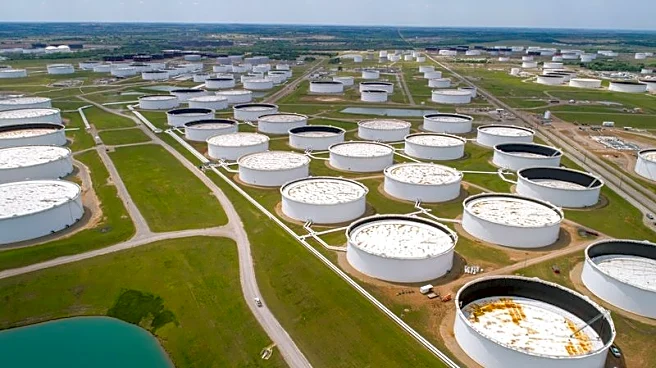
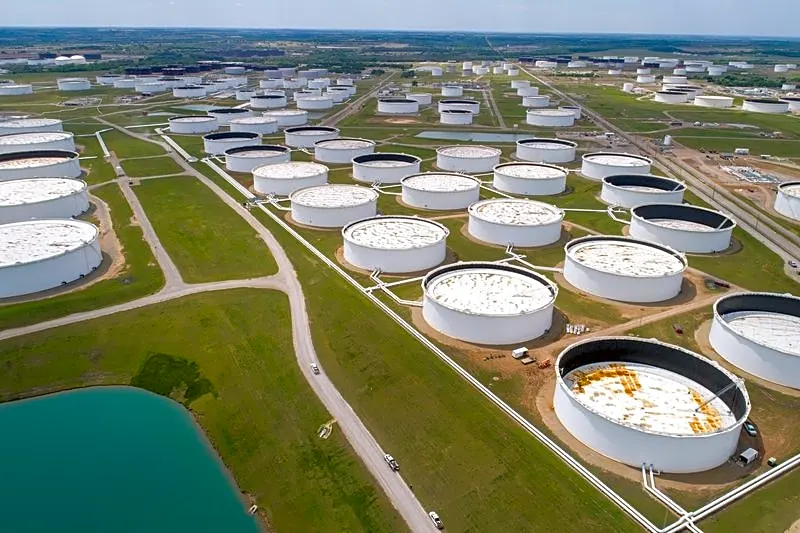
disruptions, particularly from Houthi attacks on key Saudi infrastructure. Aramco CEO Amin Nasser stated that the Saudi Energy Ministry is in discussions with its counterparts in other countries to make strategic storage available. The company already maintains commercial oil storage facilities in locations such as South Korea, Japan, the Netherlands, and Egypt, and aims to double its overseas capacity, especially in Asia. This strategic move is part of a broader effort to reinforce Saudi Arabia's infrastructure and diversify its export options during a period of regional crisis.
Why It's Important?
The push by Saudi Aramco to secure access to foreign strategic oil reserves is a direct response to heightened security concerns and aims to mitigate the impact of potential supply disruptions. Recent Houthi attacks, including drone strikes that temporarily shut down a major pipeline and attacks on the Shaybah oil field and Dammam airport, have underscored the vulnerability of Saudi oil infrastructure. By utilizing overseas strategic reserves, Saudi Arabia can ensure a more consistent supply to its international customers, thereby stabilizing global oil markets and protecting its economic interests. This strategy also reduces reliance on its domestic infrastructure, which is susceptible to regional conflicts. The expansion of overseas storage capacity would provide a critical buffer, allowing Aramco to maintain its market share and fulfill contractual obligations even if its primary export corridors face interruptions.
What's Next?
Saudi Arabia's Energy Ministry will continue discussions with foreign governments to finalize agreements for access to strategic oil storage. Aramco plans to double its overseas capacity, with a particular focus on Asia, though a specific timetable for this expansion has not been disclosed. Concurrently, Aramco is undertaking engineering studies to increase its capacity to move crude from the Persian Gulf to the Red Sea, aiming to boost it from 7 million to 10 million barrels a day. These efforts indicate a long-term commitment to building resilience and diversifying export routes. The success of these initiatives will depend on diplomatic negotiations and the willingness of other nations to provide storage access, as well as Aramco's ability to execute its infrastructure expansion plans effectively.
Beyond the Headlines
This strategic shift by Saudi Arabia highlights a growing trend among major oil producers to decentralize their supply chains and enhance energy security in an increasingly volatile geopolitical landscape. The reliance on foreign strategic reserves could set a precedent for other nations facing similar threats, fostering new forms of international energy cooperation and risk-sharing. It also underscores the evolving nature of energy geopolitics, where physical infrastructure vulnerabilities can significantly impact global supply and pricing. The move could also influence investment decisions in the energy sector, potentially leading to increased investment in diversified storage and transportation networks globally, rather than solely focusing on production capacity. This proactive approach by Saudi Arabia reflects a recognition that long-term energy stability requires robust, geographically dispersed infrastructure.