

What's Happening?
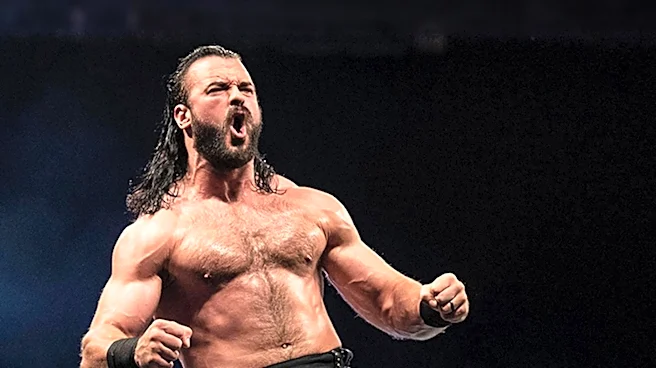
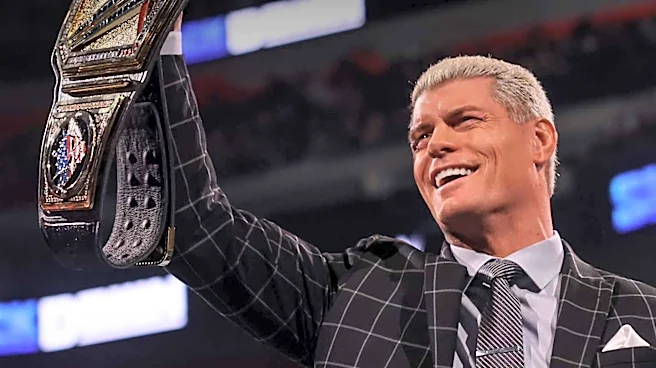
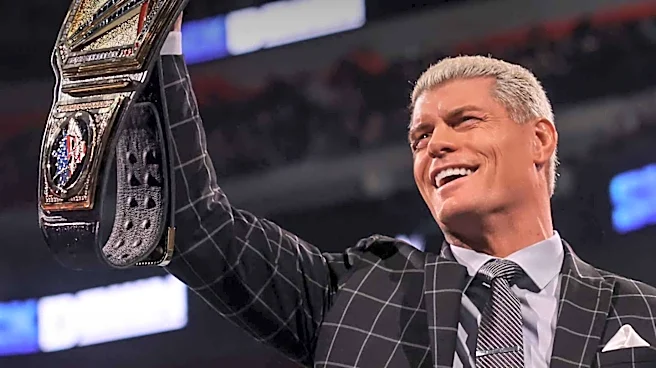
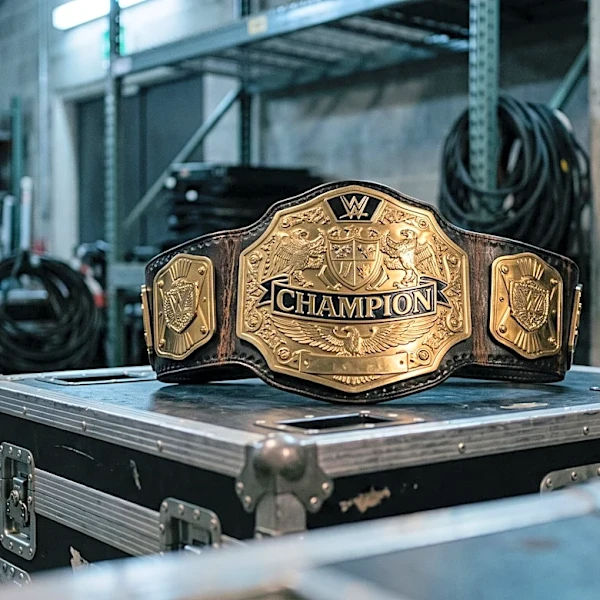
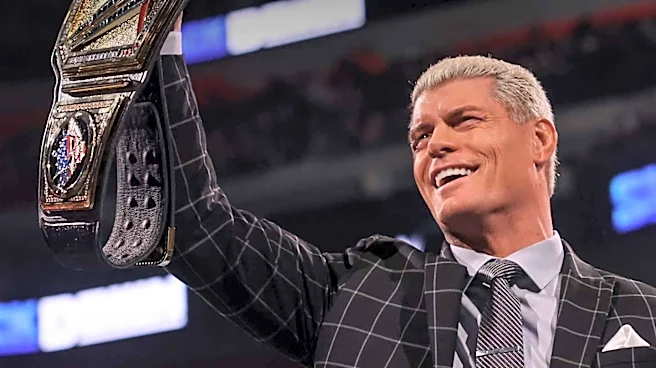
WWE star Cody Rhodes has addressed and debunked a persistent rumor suggesting he pitched to lose the WWE Title to Drew McIntyre in early 2026. During an interview with Zach Hirsch of Double Coverage, Rhodes clarified that the idea of a wrestler actively
pitching to lose a championship is fundamentally untrue. He emphasized that holding a title is considered a 'meal ticket' in professional wrestling, and no wrestler would willingly suggest relinquishing it. Rhodes noted that such rumors often originate and circulate primarily on platforms like X (formerly Twitter), and do not reflect the reality of the wrestling business or the sentiments of the performers. He urged fans to consider the source and context of such online discussions, suggesting they often create narratives that are far removed from the actual operations and decisions within WWE.
Why It's Important?
This clarification from Cody Rhodes is important for several reasons within the professional wrestling industry and its fan base. Firstly, it sheds light on the often-speculative nature of online wrestling discourse, where rumors can gain significant traction despite lacking factual basis. This can influence fan perception, create unnecessary controversy, and even impact the reception of storylines. Secondly, Rhodes's statement reinforces the value and prestige associated with holding a championship in WWE. It underscores that titles are not merely props but represent significant career achievements and financial incentives for wrestlers. Understanding this perspective helps fans appreciate the competitive drive and ambition that fuels professional wrestling narratives, where the pursuit and retention of championships are central to a performer's identity and success.
What's Next?
While Cody Rhodes's statement aims to put the specific rumor to rest, it also highlights a broader challenge for WWE and its talent in managing online narratives. Moving forward, similar rumors and speculative stories are likely to continue circulating within the passionate but often rumor-driven wrestling community. WWE and its stars may need to continue engaging with fans directly, as Rhodes did, to clarify misinformation and maintain a clear line of communication. This incident could also prompt a more critical approach from fans regarding the sources of their wrestling news and rumors, encouraging them to seek information from official channels or verified journalists rather than unverified social media posts. The ongoing dynamic between official WWE narratives and fan-generated speculation will remain a significant aspect of the wrestling landscape.
Beyond the Headlines
Beyond the immediate debunking of the rumor, this situation touches upon the evolving relationship between professional wrestling, its performers, and the digital age. The proliferation of social media has given fans unprecedented access to discussions and speculation, but it has also created a breeding ground for misinformation. This incident underscores the ethical considerations for wrestling media and fans alike: the responsibility to verify information and avoid perpetuating unfounded claims. It also subtly highlights the 'kayfabe' aspect of wrestling, where the line between reality and storyline is often blurred, and performers must navigate public perception while maintaining the integrity of their characters and the business. The challenge for WWE is to leverage the engagement of social media while mitigating its potential for harmful or misleading narratives.