





What's Happening?
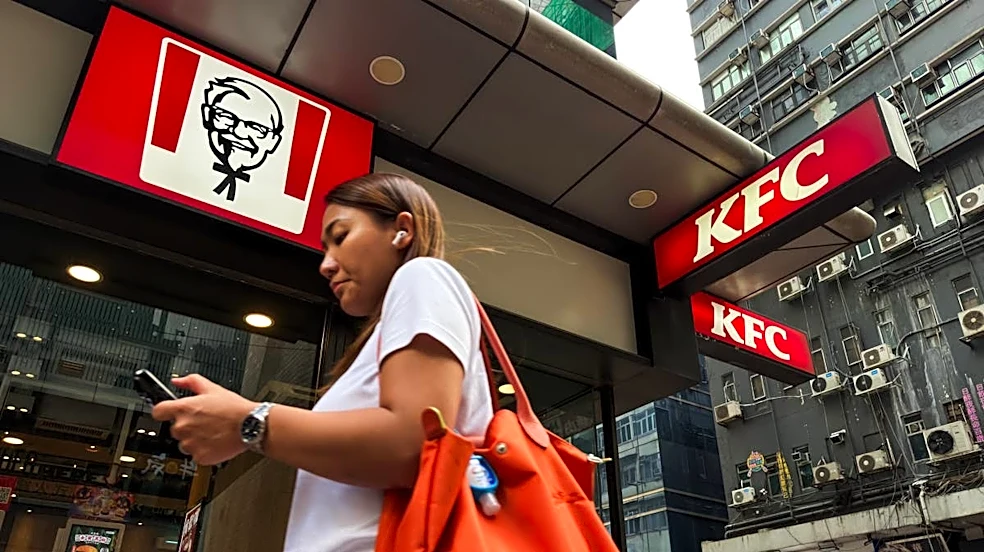
U.S. restaurant chains, including Sweetgreen and El Pollo Loco, are increasingly shifting their marketing strategies towards micro-influencers rather than traditional celebrity endorsements. This change comes as larger, more ubiquitous campaigns become
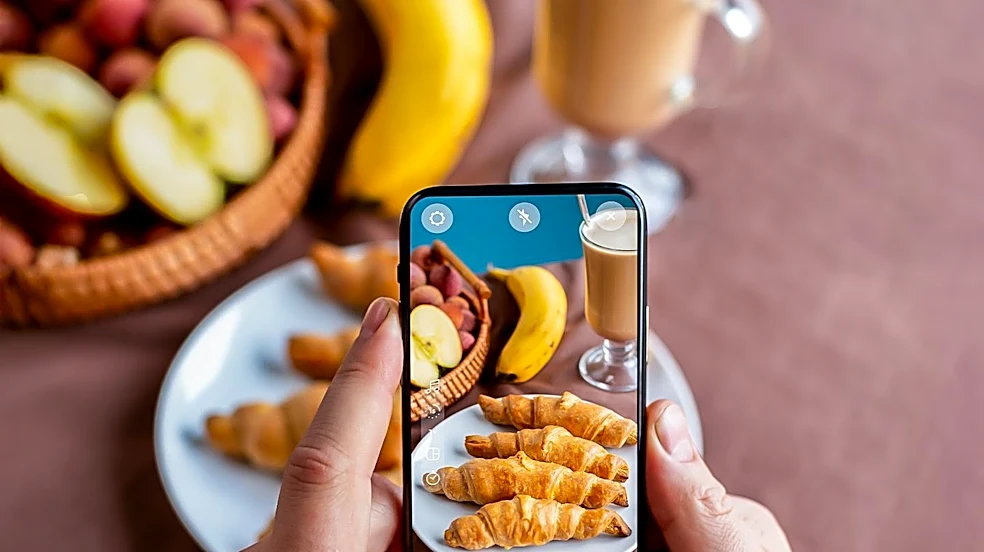
less effective in differentiating brands. Sweetgreen, for instance, collaborated with over 500 micro- and mid-tier social media creators for a wraps launch, while El Pollo Loco engaged creators like Johnny Ringer and Wendi Lunar for its Loco Tenders. According to First Watch CEO Chris Tomasso, the influencer universe is vast, and consumers are becoming more discerning, making authenticity crucial. A Morning Consult report highlights that 64% of Gen Z and 63% of Millennials trust influencers they follow, a significant increase since 2019. These younger demographics also increasingly discover new products through creator posts, which now rival online search.
Why It's Important?
This strategic pivot by restaurant brands signifies a broader evolution in U.S. marketing and consumer engagement. The declining impact of celebrity endorsements and the rise of micro-influencers reflect a shift in consumer trust, particularly among younger generations. Brands that successfully adapt to this trend by fostering authentic connections with smaller, more niche online communities stand to gain significant market share. Conversely, companies that fail to recognize this shift risk losing relevance and struggling to differentiate their products in a crowded digital landscape. The emphasis on authenticity and targeted engagement through micro-influencers can lead to more cost-effective and impactful campaigns, potentially reshaping how marketing budgets are allocated across various industries in the U.S.
What's Next?
The trend towards micro-influencers is expected to continue growing as brands seek more genuine and relatable connections with their target audiences. Restaurant chains will likely further refine their strategies, focusing on identifying influencers whose values align with their brand identity and who can genuinely advocate for their products. This could lead to increased investment in influencer relationship management platforms and data analytics to track the effectiveness of micro-influencer campaigns. Additionally, other consumer-facing industries may adopt similar approaches, recognizing the power of authentic, user-generated content and the trust consumers place in relatable online personalities. The long-term success of these strategies will depend on maintaining authenticity and continuously adapting to evolving social media landscapes and consumer preferences.
Beyond the Headlines
The shift to micro-influencers has deeper implications for the digital economy and the nature of advertising. It challenges the traditional top-down model of marketing, where brands relied on mass appeal and celebrity status. Instead, it empowers a more decentralized and community-driven approach, where credibility is built through genuine engagement and niche expertise. This trend also raises ethical considerations regarding transparency in influencer marketing and the potential for subtle, yet powerful, forms of persuasion. As the line between personal recommendations and paid endorsements blurs, regulatory bodies may need to adapt to ensure consumers are adequately informed. Ultimately, this evolution reflects a broader cultural movement towards authenticity and personalized experiences in the digital age.