





What's Happening?
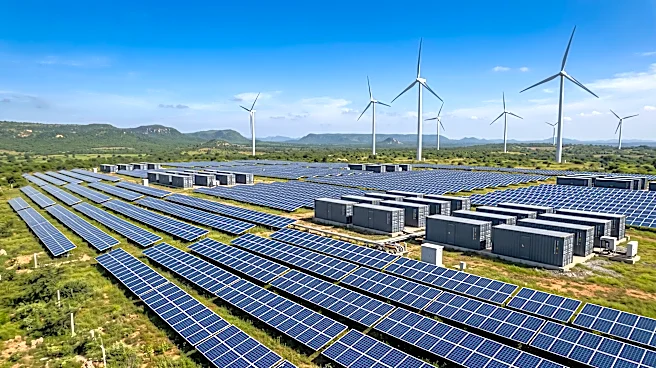
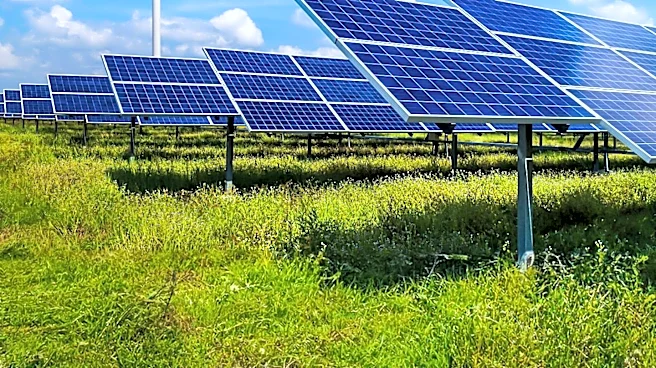
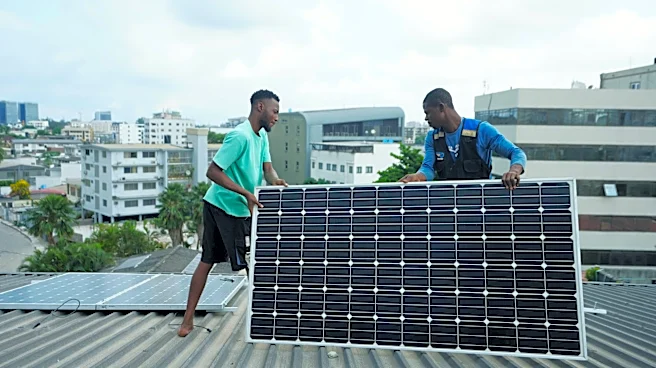
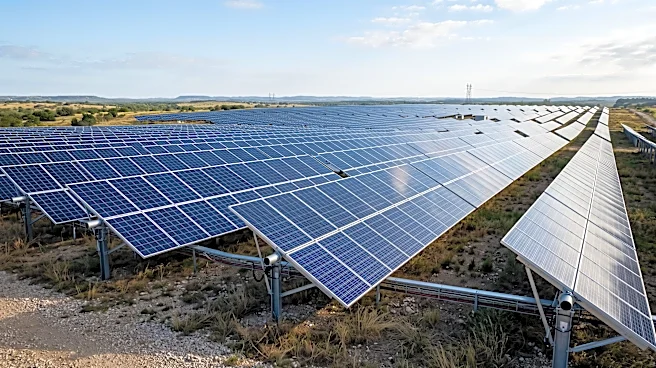
CKPower, in partnership with Bangkok Expressway and Metro (BEM), has launched two new solar plants in Thailand. These plants, developed by CKPower’s Bangkhenchai Co., commenced commercial operations in September 2026. With a combined installed capacity
of 7 MW, their primary purpose is to supply clean electricity directly to support Thailand's mass-transit system. This initiative aligns with Thailand's draft Power Development Plan (PDP) 2026, which aims to increase the share of renewable energy within the country's energy mix and promote clean electricity trading. Beyond these new solar operations, CKPower is also actively enhancing its renewable energy certificate business to meet the growing demand for clean electricity from corporate and industrial clients. The company views these strategies as closely aligned with the government's PDP 2026 goals, which present significant opportunities for further investment and expansion in the renewable energy sector.
Why It's Important?
This expansion of solar capacity is crucial for Thailand's energy future and its commitment to sustainability. By directly powering the mass transit system with clean electricity, the project contributes to reducing the carbon footprint of urban transportation, a significant step towards combating climate change. It also demonstrates a practical application of renewable energy integration into critical public infrastructure, potentially serving as a model for other developing nations. For Thailand, this move enhances energy security by diversifying its energy sources and reducing reliance on fossil fuels. The increased availability of renewable energy certificates also supports the broader corporate and industrial sector in achieving their own sustainability goals, fostering a greener economy. This development signals a growing commitment to improving the infrastructure for renewable energy distribution, which can attract further investment and innovation in the sector.
What's Next?
CKPower's expansion plans indicate a continued commitment to improving Thailand's renewable energy infrastructure. The company is likely to pursue further projects that align with the PDP 2026 goals, potentially leading to more solar plant developments or other renewable energy initiatives. The success of these new solar plants in powering the mass transit system could encourage broader adoption of similar models across other public services and industries in Thailand. Furthermore, the growth of CKPower's renewable energy certificate business suggests an increasing market for clean energy, which could drive more companies to invest in or procure renewable energy. Future developments will likely focus on how effectively these new capacities integrate into the existing grid and how they contribute to Thailand's overall renewable energy targets outlined in the PDP 2026.
Beyond the Headlines
This development reflects a broader global trend where countries are increasingly integrating renewable energy into their critical infrastructure to achieve sustainability goals and enhance energy resilience. The direct link between solar power generation and mass transit operation highlights a strategic approach to decarbonization, moving beyond just electricity generation to specific end-use applications. This could set a precedent for other sectors to adopt similar direct renewable energy sourcing models. Ethically, it underscores a commitment to environmental stewardship and public health by reducing air pollution associated with traditional energy sources. Economically, it could stimulate local green job creation and foster technological advancements in renewable energy integration. The long-term shift could see Thailand becoming a leader in sustainable urban development, attracting green investments and promoting a cleaner, more efficient public transportation system.