
What's Happening?
Spotify is moving forward with plans to introduce an AI-powered service that will allow users to create their own remixes and covers of songs. This initiative comes despite mounting criticism from artists
and listeners regarding artificial intelligence in music. The streaming giant is currently negotiating licensing deals and attempting to persuade artists to adopt the technology, with an anticipated launch in early 2027. For an additional monthly subscription of $4 or $5, users would be able to generate personalized versions of popular tracks, such as transforming a country song into a dance track or having one artist's style applied to another's music. Spotify has already secured agreements with Universal Music Group, Merlin, and Believe, and is in negotiations with Sony Music and Warner Music. However, individual artists retain the right to decide their participation, posing a potential hurdle for the service's success.
Why It's Important?
This development signifies a major shift in how music consumption and creation could evolve, potentially creating new revenue streams for artists who opt-in. Spotify co-chief executive Gustav Söderström suggests that this service could benefit older artists by allowing fans to generate remixes and covers, with royalties funneling back to the original creators and streams contributing to original song charts. This could offer a novel way for artists to monetize their existing catalogs and engage with their fanbase. However, the initiative faces significant pushback from the artistic community. Over 200 musicians and artist estates, including prominent figures like Billie Eilish and Stevie Wonder, have signed an open letter warning against the 'predatory use of AI' that could undermine human artistry. This tension highlights a fundamental debate within the industry: the balance between technological innovation and the protection of artistic integrity and intellectual property.
What's Next?
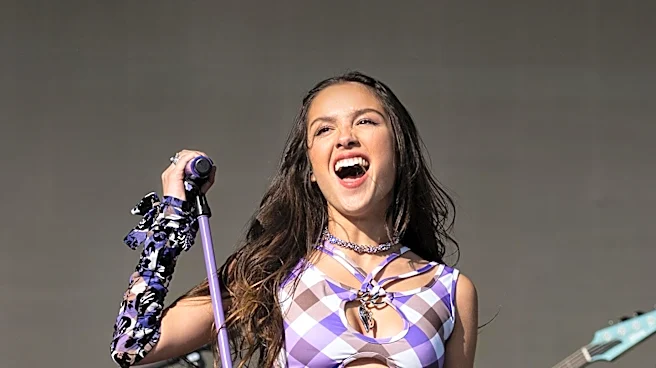
Spotify's success hinges on its ability to convince artists to embrace the AI product. The company has already taken steps to address concerns, such as introducing 'AI Persona' labels for AI-generated artists and removing millions of 'slop' or 'spam' tracks from its platform. These measures aim to differentiate human-created music from AI-generated content and reassure artists and listeners. However, the strong opposition from many artists, exemplified by Olivia Rodrigo's firm stance against using AI in her music, indicates that Spotify will need to navigate these concerns carefully. The ongoing negotiations with major labels and individual artists will determine the scope and acceptance of this new service. The early 2027 launch will be a critical test of how the music industry and its audience adapt to AI-driven creative tools.
Beyond the Headlines
The introduction of AI-powered remixing by Spotify raises profound questions about the definition of authorship and creativity in music. If fans can generate new versions of songs, who holds the creative rights to these derivative works? How will this impact the perceived value of original human artistry? There's a risk that the market could become saturated with AI-generated content, potentially devaluing the unique contributions of human musicians. Conversely, it could democratize music creation, allowing more people to engage with music in a creative capacity. The ethical implications extend to the potential for AI to mimic artists' styles without their consent, blurring the lines between inspiration and imitation. This initiative will likely fuel further discussions on intellectual property law, fair compensation for artists, and the role of AI in shaping cultural expression.