



What's Happening?
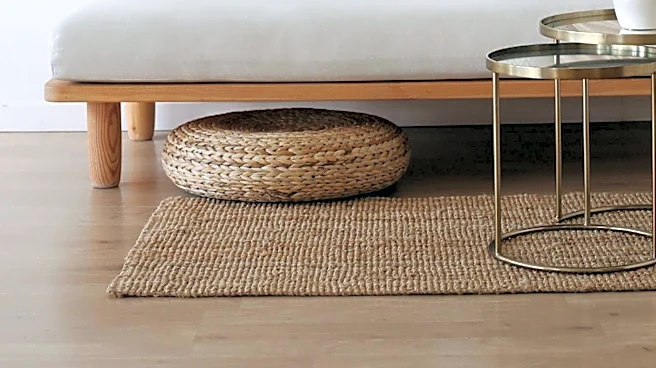
Scandinavian minimalism is a design philosophy that prioritizes simplicity, functionality, and the use of natural materials. This style is characterized by light colors, wood elements, and a clutter-free environment. It values warmth and comfort, often
incorporating materials like pale timber, oak, ash, and birch. The design also focuses on optimizing light and insulation to create a cozy atmosphere. This aesthetic blends well with the Japandi style, which combines Scandinavian simplicity with Japanese wabi-sabi, resulting in a warm, lived-in look that features muted tones and natural textures. The core idea is to strip a room back to its essential elements, using materials like wood, wool, paper, clay, and stone over artificial alternatives. Both Scandinavian and Japanese design traditions treat empty space as something to be protected rather than filled, contributing to a sense of calm and order.
Why It's Important?
The emphasis on natural materials and minimalist design in Scandinavian aesthetics, particularly when combined with Japandi, reflects a broader societal shift towards sustainability and mindful consumption. This design trend influences U.S. industries by driving demand for ethically sourced wood, natural textiles, and minimalist furniture, impacting manufacturers, retailers, and interior designers. The focus on functionality and decluttering can also influence consumer behavior, encouraging a more intentional approach to home furnishing and reducing waste. Furthermore, the integration of elements like good insulation and natural light aligns with growing environmental consciousness and the desire for energy-efficient homes, potentially influencing building codes and architectural practices in the U.S. The aesthetic's popularity suggests a cultural preference for serene, uncluttered living spaces that promote well-being.
What's Next?
The continued popularity of Scandinavian minimalism and Japandi style is likely to drive further innovation in sustainable materials and modular furniture design within the U.S. market. We can expect to see more furniture companies and home decor brands adopting these principles, offering products that emphasize clean lines, natural finishes, and multi-functional uses. There may also be an increased focus on integrating smart home technology seamlessly into minimalist environments, maintaining the clutter-free aesthetic while enhancing functionality. Educational initiatives and design workshops promoting these styles could also become more prevalent, further embedding these design philosophies into mainstream American culture. Additionally, as consumers become more aware of the environmental impact of their choices, the demand for durable, timeless pieces that align with these minimalist and natural aesthetics is expected to grow.
Beyond the Headlines
Beyond its aesthetic appeal, Scandinavian minimalism, especially when fused with Japandi, carries deeper cultural and psychological implications. The emphasis on simplicity and functionality can be seen as a counter-movement to consumerism, encouraging individuals to value quality over quantity and to create spaces that foster tranquility and mental clarity. The use of natural materials connects inhabitants with the environment, potentially reducing stress and promoting a sense of well-being. This design philosophy also highlights the ethical dimension of consumption, as it often promotes sustainable practices and the use of durable, long-lasting products. The blend with Japanese wabi-sabi further introduces the appreciation of imperfection and the beauty of natural aging, challenging conventional notions of perfection in design and encouraging a more accepting and grounded approach to living spaces.