







What's Happening?
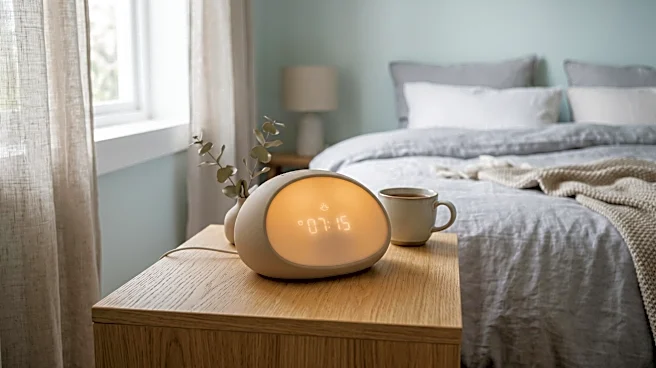
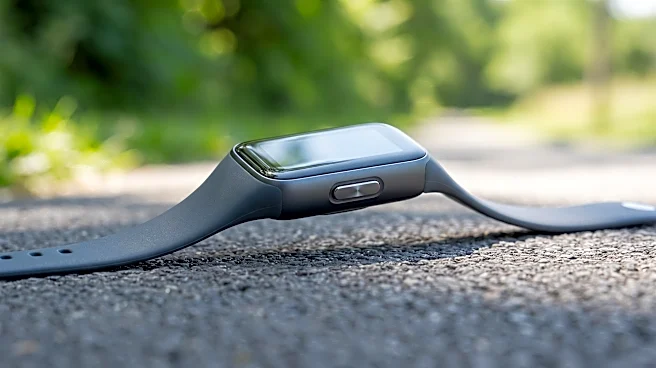
Hatch Sleep Clock is offering personalized recommendations to help individuals improve their sleep habits. While traditional wearable trackers provide data on sleep duration and awakenings, they often leave users uncertain about how to act on this information.
Hatch Sleep Clock aims to bridge this gap by providing actionable insights and tailored suggestions. The device contactlessly tracks sleep from a bedside table, learning individual sleep patterns over time without requiring a wearable. It then uses this data to suggest small, meaningful adjustments to bedtime routines, such as shifting bedtime by 15 minutes or recommending specific audio content like sound baths or meditations. The focus is on building sustainable, healthier sleep habits rather than chasing perfect scores, which can sometimes lead to anxiety.
Why It's Important?
The introduction of personalized sleep recommendations by Hatch Sleep Clock addresses a growing need in the sleep technology market. Many consumers use sleep trackers but struggle to translate raw data into tangible improvements in their sleep quality. By offering tailored advice and tools, Hatch Sleep Clock could significantly enhance user engagement and the effectiveness of sleep tracking. This approach could lead to better overall public health outcomes by promoting consistent and restorative sleep, which is crucial for well-being and performance. For the sleep technology industry, this represents a shift towards more integrated and user-centric solutions, potentially setting a new standard for how sleep data is utilized to foster healthier lifestyles.
What's Next?
The success of Hatch Sleep Clock's personalized recommendation model could influence other sleep technology companies to adopt similar strategies, moving beyond mere data collection to active habit formation. Future developments might include more sophisticated AI-driven recommendations, integration with other health and wellness platforms, and expanded content libraries to cater to diverse user needs. As consumers increasingly seek practical solutions for health improvement, devices that offer actionable guidance, rather than just metrics, are likely to gain traction. This could lead to a more competitive landscape where personalized intervention becomes a key differentiator in the sleep tech market.
Beyond the Headlines
The emphasis on personalized, small changes rather than 'optimizing' every metric highlights a broader cultural shift towards sustainable wellness practices. In an era where data overload can sometimes induce anxiety, a product that simplifies the path to better health by focusing on manageable tweaks could resonate deeply with users. This approach also touches upon the psychological aspect of health technology, where the goal is not just to provide information but to empower users to make positive behavioral changes without feeling overwhelmed. It underscores the idea that true health improvement often comes from consistent, gentle adjustments rather than drastic, short-lived overhauls, potentially influencing how other health-related technologies are designed and marketed.