



What's Happening?
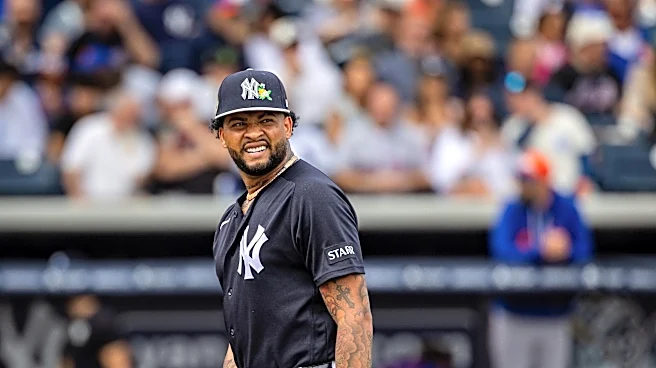
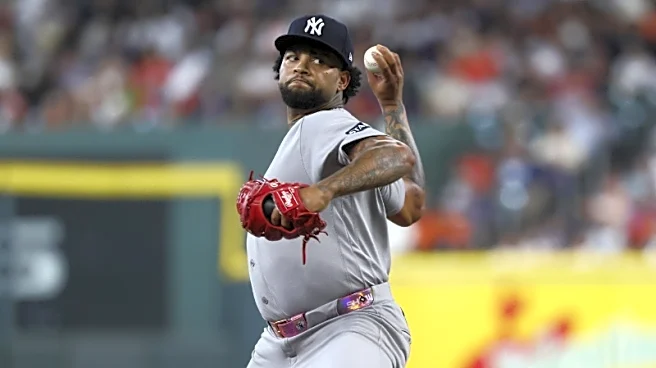
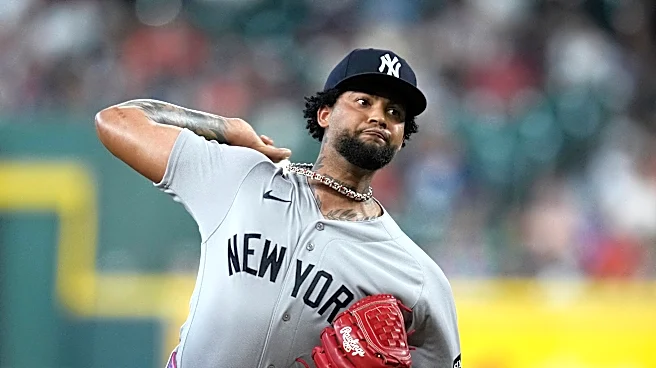
The New York Yankees have opted not to offer contracts to right-handed pitchers Luis Gil and Fernando Cruz, making them free agents before the 2027 season. This decision was made at Major League Baseball’s non-tender deadline. Both players were eligible
for arbitration but were not retained by the Yankees due to a combination of injuries and decreased performance. Luis Gil, 28, was the American League Rookie of the Year in 2024, achieving a 15-7 record with a 3.50 ERA and 171 strikeouts over 151 2/3 innings in 29 starts. However, his subsequent seasons were hampered by injuries, including a lat strain in 2025 and right shoulder inflammation in 2026, limiting him to just nine appearances in 2026 with a 1-2 record and a 4.61 ERA. Fernando Cruz, 36, a veteran reliever, also faced injury issues in 2026, sustaining a partial tear of his right ulnar collateral ligament in August. Despite his injury, Yankees general manager Brian Cashman indicated Cruz was progressing and expected to pitch in 2027. Cruz finished 2026 with a 4-6 record, two saves, and a 3.13 ERA in 61 appearances.
Why It's Important?
The non-tendering of Luis Gil and Fernando Cruz signifies a strategic shift for the New York Yankees as they prepare for the 2027 season, impacting their pitching depth and financial commitments. Gil, once a promising young talent and a former AL Rookie of the Year, represents a high-upside player whose potential was curtailed by recurring injuries. His departure means the Yankees lose a pitcher who, when healthy, demonstrated front-line starter capabilities. For Cruz, a seasoned reliever, his release opens up a bullpen spot and frees up salary that would have been allocated through arbitration. This move allows the Yankees greater flexibility in the free-agent market or through trades to acquire new talent that aligns with their immediate competitive goals. The decision reflects a broader trend in professional sports where teams must balance past performance and future potential against current health status and financial implications, especially for arbitration-eligible players who command higher salaries. This could also signal a renewed focus on developing internal pitching prospects or pursuing external options to bolster their rotation and bullpen.
What's Next?
Following their non-tender, Luis Gil and Fernando Cruz will now enter free agency, seeking new opportunities with other Major League Baseball teams. Gil, despite his recent injury history, may attract interest from teams looking for a high-upside pitcher who could regain his Rookie of the Year form with a change of scenery or a successful rehabilitation. Cruz, a veteran reliever, could find a role in another bullpen, particularly if his recovery from the ulnar collateral ligament injury progresses as expected. For the Yankees, the immediate next steps involve assessing their current roster and identifying potential replacements for the departed pitchers. This could involve pursuing free-agent pitchers, exploring trade opportunities, or promoting prospects from their minor league system. The team has tendered contracts to six other arbitration-eligible players, including Anthony Volpe and Clarke Schmidt, indicating their commitment to these core players. The Yankees' general manager, Brian Cashman, will likely be active in the offseason to address the pitching vacancies and strengthen the team for the upcoming season.
Beyond the Headlines
The Yankees' decision to non-tender Luis Gil, a former American League Rookie of the Year, highlights the precarious nature of professional baseball careers, where injuries can quickly derail even the most promising talents. Gil's trajectory from a standout rookie to a non-tendered player underscores the significant financial and performance risks associated with long-term player investments, especially in pitching. This situation also brings into focus the strategic dilemma faced by front offices: whether to retain an injured player with high potential, hoping for a full recovery, or to cut ties to free up resources and roster spots. For Gil, this marks a critical juncture in his career, where his ability to regain health and form will determine his future value in the league. For the Yankees, it reflects a pragmatic approach to roster management, prioritizing current availability and consistent performance over past achievements when faced with arbitration decisions. This move could also influence how other teams evaluate and manage their own arbitration-eligible players who have faced significant injury setbacks, potentially leading to more cautious approaches in contract negotiations.