


What's Happening?
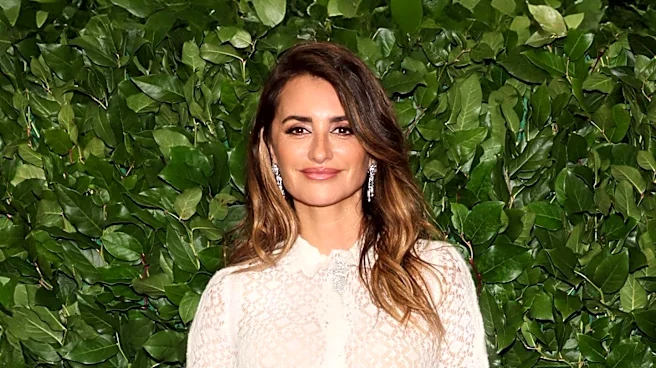
Actress Penélope Cruz has made a conscious decision to raise her children, Leo and Luna, in Madrid, Spain, rather than Hollywood, to ensure they experience a normal life away from intense media scrutiny. According to El Confidencial Digital, Cruz and her husband,
Javier Bardem, sought to shield their children from the constant public exposure associated with Hollywood. Cruz, who moved to Los Angeles in 1998 at age 24, found her initial years in the U.S. challenging and solitary, often crying in private. Despite establishing a successful career in Hollywood, she never considered it home, stating in a 2012 Harper's Bazaar interview that it was not where she wanted to raise her children. Madrid, her birthplace, offered the familiar environment of family and childhood friends, which she deemed essential for her children's upbringing. Leo was born in Los Angeles in 2011, but Luna was born in Madrid two years later, solidifying the family's base in the Spanish capital. Cruz emphasized that providing her children with a normal, sincere, and authentic life is their top priority, a goal she believes is more attainable in Madrid.
Why It's Important?
This decision by Penélope Cruz highlights a growing trend among public figures to prioritize family privacy and normalcy over the demands of celebrity culture, particularly in the context of raising children. For Hollywood, it signifies a potential shift in how some prominent actors view the environment it offers for family life, suggesting that the intense media spotlight and lack of privacy can be deterrents. This choice could influence other celebrities to consider alternative locations for raising their families, potentially impacting the social fabric of celebrity communities in Los Angeles. Furthermore, it underscores the challenges faced by children of famous parents in maintaining a sense of normalcy and personal space, prompting broader discussions about the ethics of media intrusion into the lives of minors. Cruz's stance reinforces the idea that a 'normal' upbringing is a valuable commodity, even for those with immense wealth and fame, and that geographical relocation can be a strategic tool to achieve it.
What's Next?
As Cruz's children, Leo and Luna, enter adolescence, the family continues to exert effort to maintain their privacy, a challenge that intensifies with age. While their parents aim to provide freedom for their children to choose their own paths, Leo has already made a brief appearance as an extra in the film 'La bola negra,' sharing the project with his mother. This cameo, though minor, has sparked public interest and speculation about whether the children will follow in their parents' footsteps. However, Cruz maintains that this appearance does not dictate their future careers, emphasizing their freedom to decide. The family's ongoing commitment to privacy suggests they will continue to navigate public interest carefully, balancing their children's exposure with their desire for a normal life. Future developments will likely involve continued efforts to shield the children from excessive media attention while allowing them to explore their interests, potentially including the arts, on their own terms.
Beyond the Headlines
Penélope Cruz's decision to raise her children in Madrid delves into deeper ethical and cultural implications regarding childhood, celebrity, and the right to privacy. It challenges the pervasive notion that children of celebrities are inherently public figures, advocating instead for their right to a private upbringing. This move reflects a cultural critique of the relentless media pursuit of celebrity families, particularly in Hollywood, and suggests a growing awareness among public figures about the psychological impact of constant scrutiny on developing individuals. Ethically, it raises questions about the responsibilities of media outlets when reporting on minors, even those related to famous personalities. Culturally, it highlights a contrast between the more private family values often found in European societies compared to the intense public interest in celebrity lives prevalent in the U.S. This long-term shift could contribute to a broader re-evaluation of how society views and treats the children of public figures, potentially fostering greater respect for their privacy and autonomy.