






What's Happening?
A federal judge has granted USA TODAY's motion to intervene in the Chapter 7 bankruptcy case of Colorado football player Shilo Sanders, ordering the release of previously sealed court documents. Judge Michael E. Romero issued the order on August 12, following
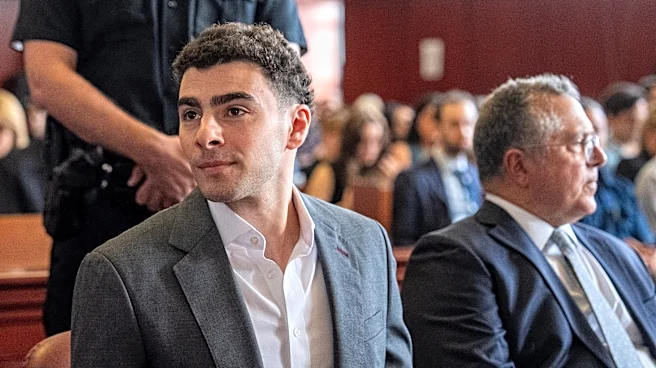
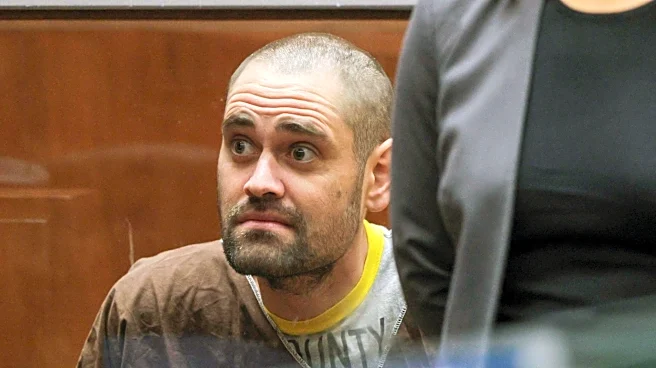
several recent developments that had been conducted in secret. The ruling includes the release of redacted versions of court documents, such as a transcript from a July 14 hearing that was held without public observers. Additionally, the judge sustained USA TODAY's objection to any proposed closure of Sanders' upcoming bankruptcy trial scheduled for August 31. The court, however, retains the right to make ad hoc decisions regarding the sealing of any evidence related to Sanders' juvenile records. Shilo Sanders, son of Colorado football coach Deion Sanders, filed for bankruptcy in 2023 in an attempt to discharge an $11.89 million debt. This debt is owed to John Darjean, a former school security guard, and originates from a disputed incident in 2015 when Sanders was 15. Darjean sued Sanders in 2016, alleging assault and severe injury, leading to an $11.89 million default judgment against Sanders in 2022 after he failed to appear for trial. Darjean is now contesting the bankruptcy discharge, arguing the debt should not be dismissed under law because it stems from a willful and malicious injury. Sanders disputes this, claiming he acted in self-defense. The judge noted that Sanders has a legitimate privacy interest in his juvenile records, which was the basis for the initial sealing, but emphasized the public's right to access relevant information.
Why It's Important?
This judicial decision significantly reinforces the principle of public access to court proceedings, especially in cases involving individuals with a public profile like Shilo Sanders. USA TODAY's successful motion to intervene highlights the critical role of the press in upholding transparency within the judicial system, ensuring that the public can observe and understand how legal processes unfold. For Sanders, a well-known college football player, this ruling means that the intricate details of a decade-long legal dispute, including the allegations of assault and his subsequent Chapter 7 bankruptcy filing, will now be subject to greater public examination. The outcome of this specific bankruptcy case carries broader implications, as it will determine whether a substantial debt, stemming from an alleged willful and malicious injury, can be discharged. If John Darjean's argument against discharge prevails, Sanders would remain liable for the $11.89 million, which could have profound financial and reputational consequences for him. Conversely, a discharge could influence future legal interpretations regarding the dischargeability of debts arising from similar personal injury claims. The case also critically examines the delicate balance between an individual's right to privacy, particularly concerning past juvenile records, and the overarching public interest in transparent and open legal proceedings.
Beyond the Headlines
This case transcends the immediate legal dispute, touching upon broader societal issues concerning accountability for actions committed as a minor, the complexities of bankruptcy law, and the public's right to information regarding legal proceedings involving public figures. The debate over whether a debt stemming from an alleged willful and malicious injury can be discharged in bankruptcy highlights a critical tension within the legal system: providing a fresh start for debtors versus ensuring justice for victims. The judge's careful balancing act between protecting Sanders' privacy regarding juvenile records and upholding public transparency reflects the ongoing challenge courts face in high-profile cases. Furthermore, the involvement of a prominent college athlete like Shilo Sanders, whose public image is closely tied to his family's legacy in sports, brings into focus the unique pressures and expectations placed upon individuals in the public eye. The outcome could influence how athletes and other public figures navigate legal challenges, particularly those originating from their youth, and how the media asserts its role in ensuring judicial openness. This case also serves as a reminder of the long-term consequences of past actions and the enduring impact of legal judgments.