

Welcome to the Outer Banks — paradise on Earth.
For six years and five seasons, Netflix’s treasure-hunting drama Outer Banks has put its North Carolina teens through absolute hell just to keep viewers hooked.
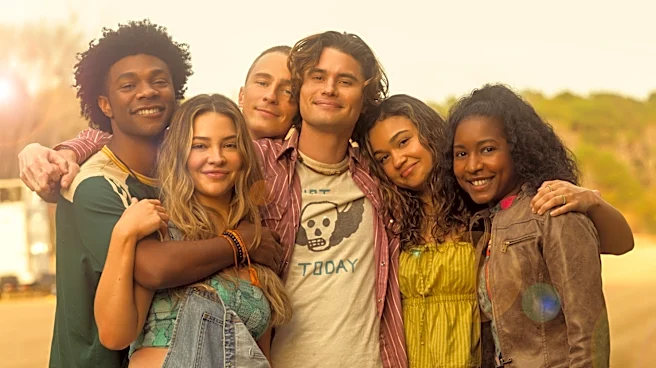
A familiar tale of class warfare, the series has followed the Pogues, Kildare Island’s poor residents — including truant John B. Rutledge (Chase Stokes) and his friends Kiara (Madison Bailey), Pope (Jonathan Daviss), and JJ (Rudy Pankow) — in an ongoing ideological battle against their rich counterparts, the Kooks. And this heated rivalry was immediately complicated by John B.’s sudden discovery of sunken treasure.
Outer Banks has always straddled the line between grounded stories of young love and the ridiculous idea of teenage treasure hunters who keep discovering (and losing) riches that have been missing for centuries. (If you’ve lost every single treasure you’ve ever found, can you still be called successful treasure hunters?) And while their exploits have taken them all over the globe, with its fifth and final season, the show calls back to its sepia-toned beginnings, with unbelievable feats of action and mystery that lead back to the island where it all began.
Season Five of Outer Banks picks up in Morocco, where John B., Cleo (Carlacia Grant), Pope, Rafe, and Kiara are stranded, mourning the loss of both JJ and the ancient Blue Crown he died for. With filicidal Chandler Groff (J. Anthony Crane) and mercenary leader Finch (Jason Alan Carvell) out of reach, they’ve got no choice but to return to the Outer Banks with no cash and awaiting criminal charges. But the island’s class divide isn’t just about dirt bike races for glory and bonfire fistfights anymore. Due to a combination of circling real estate developers and personal financial crises, the Pogues’ homes are under threat. When the group discovers that their past treasure-hunting adventures could help them find the lost Blue Crown, each member must decide what’s more important — getting revenge on the people who killed JJ or saving their homes.
Outer Banks’ success has always rested on an emotional depth that distracts from nonsense plot points and over-the-top escapades. Viewers don’t have to think so hard about how a group of American teenagers who look like a diversity advertisement for a state university slip past customs in every country, because they’re too busy reeling from the abrupt loss of John. B’s father. Puzzled by the logistics of Kook princess Sarah (Madelyn Cline) surviving a gunshot wound to the gut, or Jamaican outlaw Cleo crashing a plane and swimming away without a scratch, or used-to-be villain Rafe (Drew Starkey) murdering a cop and getting off scott free? Don’t be — instead weep at the devastating death of their best friend JJ and a long, difficult burial in a faraway land.
There are plenty of inconceivable exploits in the final season of Outer Banks, in ranging degrees of ridiculousness. The gang manages to cross at least three borders without any forms of identification. Kiara suddenly has the ability to jump out of cable cars and scale buildings with a CIA-operative level of precision. No one blinks at a pregnant Sarah constantly running through hails of gunfire — sans prenatal vitamins or a home. When Kiara is tied to an anchor and dropped into the middle of the ocean, her friends locate her using a phone flashlight and in plenty of time to keep her from drowning. Pope makes a homemade bomb by eyeballing every measurement, and no one dies. And of course, there’s the plot to retrieve the crown, with its historic potential to raise the dead. But the show uses each of these high-stakes and improbable stunts to reaffirm that the thing that matter most to the Pogues isn’t treasure — it’s their island.
It’s easy to imagine a world where Outer Banks never had its breakout moment. The show premiered on April 15, 2020, during the Covid-19 pandemic, a time where the only thing Americans felt like they had control over was what they pressed play on. If it had landed in the wasteland of streaming series at a different time, it’s unclear whether it would have had the same impact. But Outer Banks was an instant phenomenon and still represents a unique, uncomplicated capsule of the pandemic. It was a time when it felt reasonable to look at a melodramatic fight between Sarah and her Kook boyfriend and think to make an interpretative dance to its beats. ‘“No You DON’T ToPPer!” people used to mouth as they swung their arms and around their heads and bounced them at the waistline. “You love the idea of me. You love being seen by me. You don’t love me!” People colored their TikToks and Instagram posts OBX sepia and recreated the Rutledge cry “Bring it on home, John B.!” on makeshift bells. It was a phenomenon and maintained its essence of hot-teen Indiana Jones by continually upping the physical stakes — answering any wayward plotline or raised eyebrow with the beach-set equivalent of “Somehow, Palpatine returned.”
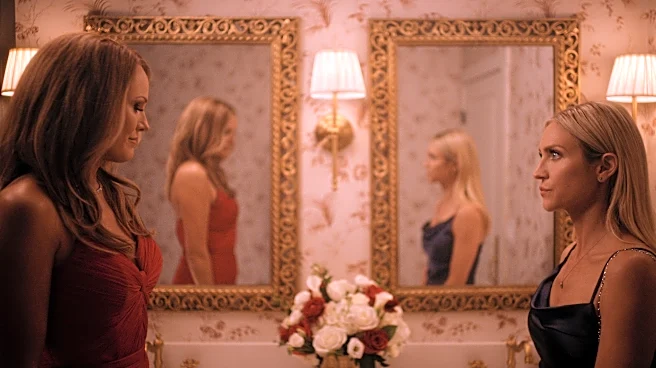
But while later seasons fully jumped the shark — or the sandbar, if you prefer — with arms-dealers, ancient artifacts, and the teenage equivalent of international war crimes, Season Five points the Pogues back toward home. The show that built its name on impossible adventures gives its main characters an equally impossible ending by showing them reclaiming their first lost treasure: $400 million in ancient gold bars. This final victory builds them a life where Pope and Cleo can be together, Kiara has let go of JJ’s death, Rafe feels remorse for his crimes but gets to live out the rest of his life a free man, and John. B and Sarah are a safe and happy family. The series finale, “The Storm and What Came After,” sees the entire island wealthy, together, and celebrating John B. and Sarah’s wedding on newly restored Rutledge land — Kooks and Pogues hand in hand. Sometimes, the true treasure really is the friends we make along the way. Well, that and enough gold to make an island live forever.
Click here to read the full article.