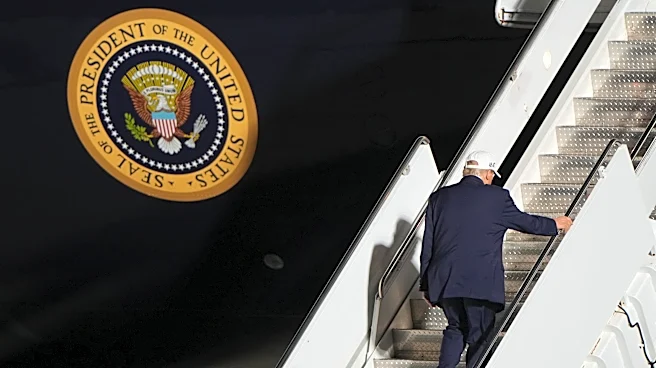





In the height of the summer, as Republicans began to notice that voters were displeased with Donald Trump’s first year-and-change of governance, the president demanded that Texas redraw its congressional map in order to create five new Republican-controlled
seats. “We are entitled to five more seats,” the president decided.
It turns out Republicans are entitled to nothing. The off-cycle gerrymandering effort that spread throughout other conservative states ended up actually costing the GOP seats.
Nine states managed to redraw their map in the gerrymandering war, including California,which redistricted in response to Trump’s Texas plan. Experts estimated that across the country more than a dozen members of the Congressional Black Caucus were targeted by Republicans in the push to eliminate Democratic seats. Not all states were successful, in states like Kansas and Indiana, efforts to gerrymander the map at the White House’s request fell short, either blocked by the state legislature or court challenges. Of the 15 seats ultimately redistricted by Republicans ahead of the election, Democrats kept 11 — including four of the targeted districts in Texas. In Florida, all four of the seats targeted by the Republican-controlled government were won by Democrats. Ohio Republicans not only failed to oust Reps. Marcy Kaptur and Greg Landsman, they lost several other GOP-controlled seats as well. Conservative-friendly redistricting efforts in Louisiana and Alabama also flopped. It was, as pundits have dubbed it, a spectacular case of “dummymandering.”
Republicans were aided by an April Supreme Court decision in Louisiana v. Callais which gutted civil rights protections against anti-minority gerrymandering, and instituted new requirements for states to prove discriminatory intent in order to challenge electoral maps. Across the South, Republican-controlled states targeted the districts of Black lawmakers, including in Louisiana, Alabama, North Carolina, and Florida.
Rep. Cleo Fields (D-La.) — the congressman whose district was at the heart of the Callais case — told Rolling Stone in May that despite the efforts to the GOP to rig the midterms and future elections for themselves “we cannot let that discourage us about voting, because if we do that, what does that say to John Lewis? Who had his brains literally beaten on the Edmunds Pettus Bridge. What does it say to Rosa Parks and Fannie Lou Hamer and Martin Luther King? All these great civil rights leaders, both Black and white, what does it say to them if we give up now?”
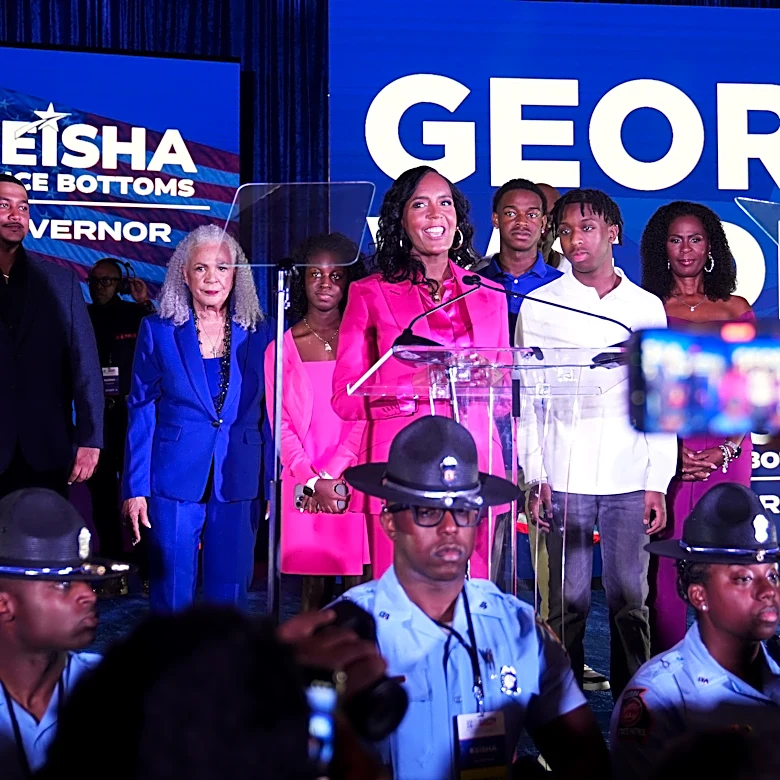
And indeed, voters throughout the South and Southwest made their displeasure known. Latinos came out in force. In Georgia, Sen. Jon Ossoff (D-Ga.) easily won his bid for reelection. Former Atlanta Mayor Keisha Lance Bottoms was elected the state’s first Black and first female governor. While the race has not yet been called, Mississippi District Attorney Scott Colom is on track to become the first Black senator from the state since Reconstruction. Texas elected its first Latina governor.
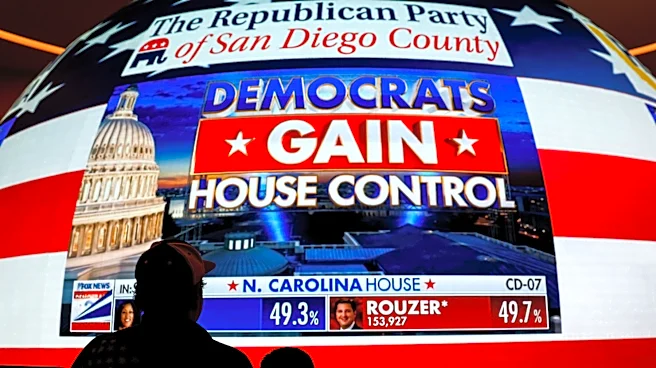
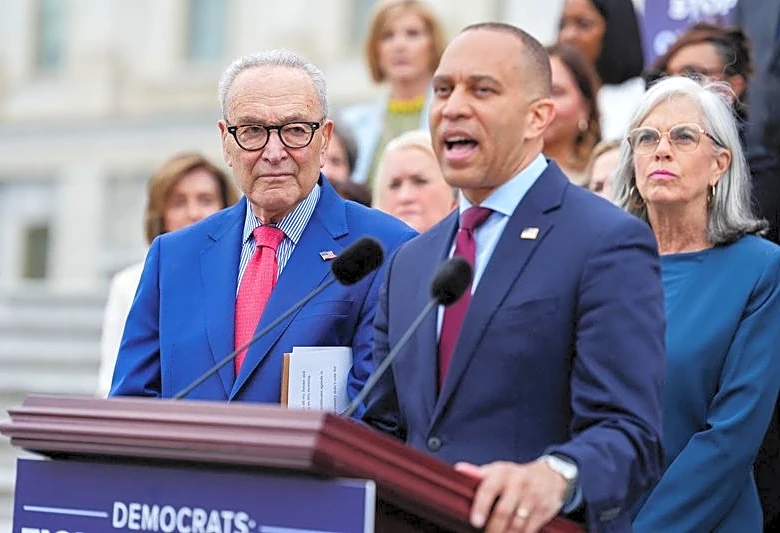
All in all, Democrats will come out of the midterms with one of the largest congressional majorities in modern history, and the victories that took place on Tuesday will shape the politics of their respective states for years to come. To borrow a phrase from the president, the 2026 midterms were “too big to rig.”
Click here to read the full article.