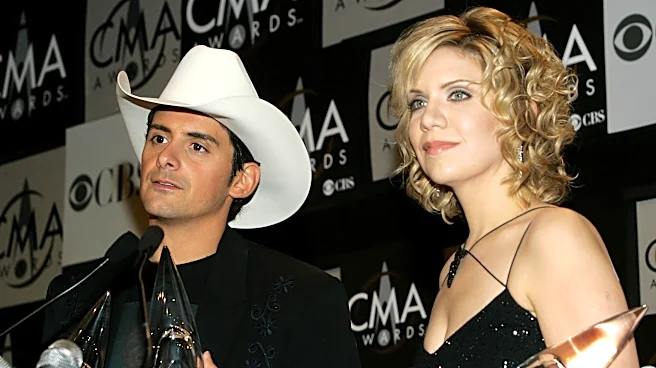






The CMA Awards have seen their share of controversies over their 60-year history, from Charlie Rich protesting John Denver’s Entertainer of the Year win in 1975 by lighting the envelope on fire, to the organization’s heavy-handed edict trying to forbid
journalists from asking questions about gun violence after the 2017 Route 91 shooting.
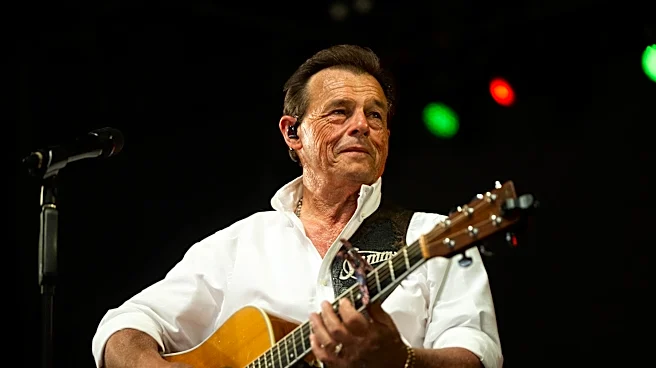
Now, ahead of its Nov. 18 telecast, the Country Music Association’s tentpole awards show is weathering criticism from one of its own. Last week, Sammy Kershaw, the Nineties hitmaker known for songs like “She Don’t Know She’s Beautiful” and “Third Rate Romance,” and a lifetime CMA member, stirred up controversy — mostly benign, as these things go — when he took the org to task for allegedly not allowing him and his wife access to the media red carpet before the show. (He is still able to attend the awards as a ticketed guest, as all non-nominated artists are).
“I have to share my disappointment with the CMA as they have denied my request to walk the red carpet for a few minutes at this year’s CMA Awards,” Kershaw wrote on social media, going on to claim that he was “strung along” by the CMA for months. “I believe there should be room to recognize the artists who have spent their lives contributing to this organization’s success.”
Uproar over Kershaw’s post spread quickly online. Riley Green, Carly Pearce, Jake Owen, and others voiced support for the 68-year-old, followed by Rodney Atkins, a 2000s radio star who claimed he too was denied an amble down the CMAs’ rug. On Sunday, beloved singer Pam Tillis, the daughter of legend Mel Tillis, chimed in, asking for country music to not “shut out” its legacy artists. By Monday, some content creators were suggesting a boycott of the CMA Awards.
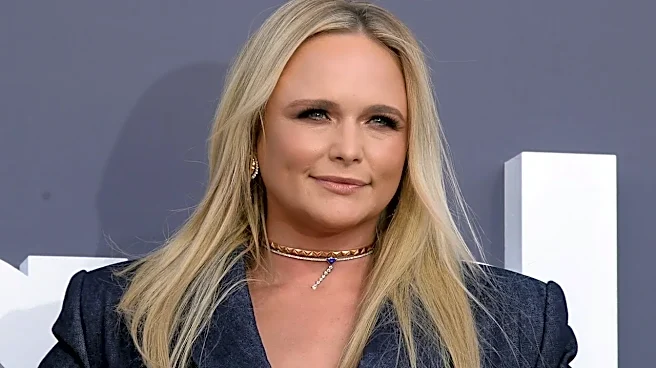
But in what many in country music are calling the “year of the woman,” with Ella Langley and Miranda Lambert making history and leading in nominations, it’s unfortunate to put so much focus in the week leading into the CMAs on a few white men who have had plenty of time in the red carpet sunshine. It’s telling, as well, that so many in country — a genre whose artists usually tend to keep quiet on hot-button issues — have chosen this one to finally find their voice.
This year’s 2026 CMA Awards do not boast one single Black artist nominee. There’s been little outrage over that. Nor was there an outcry when the association halted conversations with the civil rights nonprofit Color of Change in 2021. We’ve also yet to see such a vocal segment of the industry organizing boycotts on behalf of nonwhite artists who are repeatedly excluded from contention, in part because the CMAs are so beholden to country radio, which barely plays Black country artists at all.
Most in the mainstream also failed to raise a ruckus when Sturgill Simpson, on the heels of a Grammy win for A Sailor’s Guide to Earth, was snubbed by the CMA Awards. They also didn’t vociferously suggest changing the CMA guidelines that kept out acclaimed artists like Tyler Childers, Margo Price, and others And, of course, there was little talk of boycotts when women garnered a fraction of the nominations for years upon years. Yes, some have been vocal about gender inequality at the awards, but there is nothing that captures the hive mind quite like perceived disrespect toward a white man.
To be sure, remembering those who helped make country music what it is today is essential. Singers, songwriters, and entertainers, regardless of their level of success, are the building blocks of the genre, and Kershaw is undeniably deserving of recognition. CMA voters thought so: In 1993 he was nominated for the Horizon Award, which today is known as New Artist of the Year.
But per 2025 red carpet requirements shared with Rolling Stone, it’s unclear if Kershaw even meets the CMA criteria for walking. According to the document, any artist who wishes to appear should meet one of the following: “They are a previous CMA Entertainer of the Year; they have had a Top 20 single on a Billboard or Country Aircheck Country singles or songs chart during the past three years; they have had a Top 10 album on the Billboard Top Country Albums chart during the past five years; they are a member of the Country Music Hall of Fame; they are a reigning 2024 CMA Awards winner; they have participated in CMA Foundation or CMA Industry Relation/Membership initiatives.”
Kershaw hasn’t commented on these specific requirements, and it’s possible he has participated in CMA Foundation initiatives. Should the CMA just let him walk when the carpet opens in the early afternoon on Wednesday and call it a day? Certainly. Would his appearance then have garnered anywhere close to the coverage he has gotten from posting on social media about his exclusion? Most definitely not.
Two things can be true: We should always honor the genre’s foundational artists, on awards stages and on the radio. But focus should also be primarily on the scores of artists in awards contention, including the women making huge waves this year, and also on those who were never given a proper chance. Just this year that includes Carter Faith, Tucker Wetmore, Stephen Wilson Jr., Emily Ann Roberts, and Avery Anna — each of them nominated for New Artist. It includes Shaboozey, who after gifting the genre one of its biggest crossover hits in 2024, watched as his name became a joke at the 58th annual CMAs. It also includes an endless list of nonwhite artists who never get welcomed anywhere near the event.
Yet the last few days have been spent hoisting pitchforks and lighting torches over an issue that, at its core, is less about merit and more about logistics. It’s hard to say no, but sometimes it has to happen. And the firestorm over Kershaw’s gripe with the CMA lays bare the association’s fealty to country radio: Constantly prioritizing radio airplay as a marker for award contention impacts so many facets of the industry. Were Kershaw actively getting radio hits right now, he’d no doubt be welcomed with open arms on their carpet.
On Monday, the org put out an apologetic statement saying it was “deeply sorry anyone felt excluded,” adding it was “committed to keep listening and finding ways to make sure all artists feel welcome and at home here.” The statement concluded by saying the CMA was “in touch with Sammy Kershaw’s team and look forward to continuing that conversation.”
So it appears the CMA is telegraphing it’ll do right by Kershaw on the red carpet. But we never should have even gotten to this point. Instead of carrying on about how it’s a country music “injustice” — as one commenter gravely put it — why not take the high road, celebrate the new class, or spotlight artists who never got the chance to appear at all? Because to us, an injustice looks more like an all-white nominee pool, not a few excluded men.
Click here to read the full article.