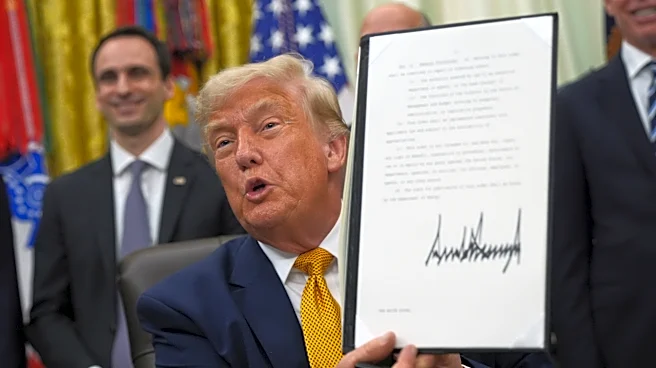




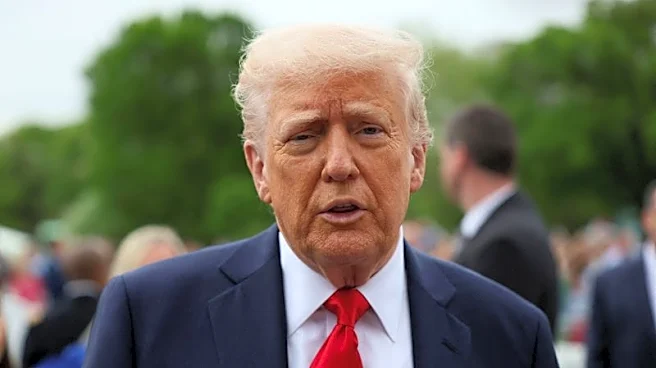



Donald Trump has been doing everything he can to undermine the renewable energy industry and boost fossil fuels. He’s been especially aggressive towards wind power — so much so that the administration recently decided to pay nearly $800 million to cancel
wind energy projects, which is the third time it’s shelled out taxpayer money to kill a clean energy initiative that had already been in the works.
Trump has been noticeably less focused on solar energy, but he has still attacked the industry and made moves to hinder its growth, along with other sources of clean energy. Last August, the president wrote that solar energy, along with wind, was the “SCAM OF THE CENTURY,” and that his administration would not approve any “farmer-destroying solar.”
The industry has been booming anyway.
Solar is now starting to outperform coal in terms of energy production, and according to the energy think tank Ember, it met 61 percent of U.S. electricity demand growth last year. The U.S. installed 43 gigawatts of solar power in 2025, which was down from a record-breaking 50 gigawatts the year before, but that’s still a huge number of installations. New solar was being installed every 59 seconds throughout last year.
“For whatever reason, Trump has a much stronger antipathy toward wind than he does solar,” Ryan Kellogg, a professor of climate and energy policy at the University of Chicago, tells Rolling Stone. “Especially for offshore wind, there’s no getting around the fact that you need a whole slew of federal permits. You need to get the Department of Defense involved.”
With solar, things are significantly easier, Kellogg says. You can buy up some private land and put down a solar farm, and no one’s going to say it’s blocking their view. They might not like it if it is visible, but it’s not a behemoth that’s altering the skyline, which has been one of the president’s many criticisms of wind energy.
“They’re certainly not as visible as the big megawatt wind turbines, which you can see for miles around,” Kellogg says. “Wind turbines generate noise and [shadow] flicker. That’s much less true of a solar facility.”
There’s also a lot more land that can be used for solar energy, Kellogg says. While solar panels can generate energy anywhere there is sunlight, wind farms have to be placed in areas with lots of wind, which is largely in the middle of the country or offshore.
“A lot of folks very much support private property rights, especially in red states where these solar projects get proposed,” adds Gilbert Michaud, an assistant professor of environmental policy at Loyola University Chicago. “In theory, a farmer should be allowed to lease or sell their land to a private renewable energy developer. Long story short, it’s a lot easier than offshore wind when you’re just building a medium-scale solar farm on leased agricultural land.”
Solar is also succeeding because of the economics. While the cost of building out wind farms has decreased in recent years, the cost of solar has gone down significantly more. Solar will continue to decrease in price as the market grows and the solar panels themselves become more effective at capturing energy.
Trump has targeted solar in numerous ways since returning to office. Tax incentives have historically contributed to making solar power cheap, and some of those are being phased out because of the Trump administration’s dismantling of the Inflation Reduction Act. Trump signed an executive order in July of last year that made it even more difficult for solar companies to obtain tax credits. The administration has also made it harder for the industry to work with manufacturers in China, where most solar panels are produced. These actions have certainly affected the industry, as evinced by the amount of new solar installations decreasing from 2024 to 2025.
“Without the tax credits, we’re going to see how renewables stand on their own,” Michaud says. “Solar is still going to grow, but at a decreasing rate — the curve won’t be exponentially increasing the way it was under the Biden-era credits.”
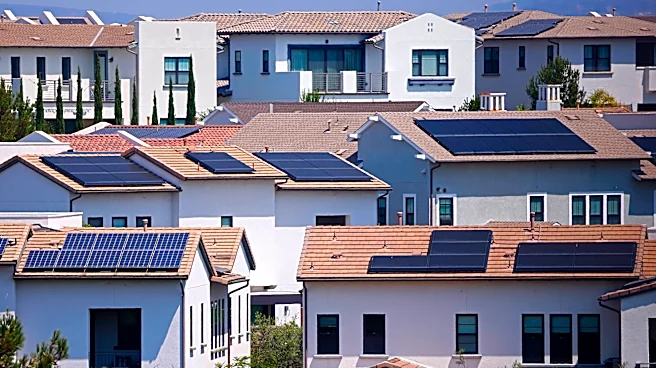
Nevertheless, the solar industry is expanding. It’s not just through big solar farms; millions of homes are now equipped with rooftop solar. There’s also increasing interest in what’s called “balcony solar,” which can allow people who can’t install rooftop solar to still generate solar power at home.
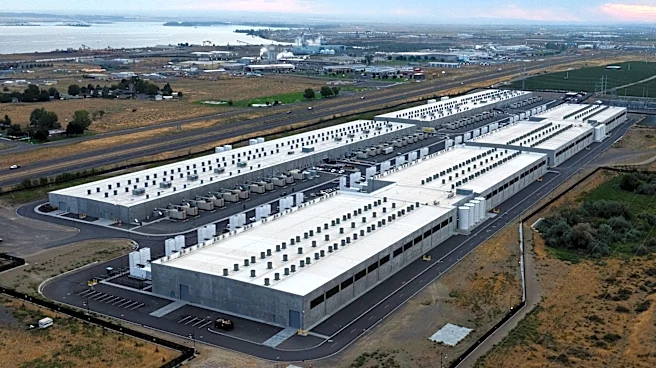
Energy demand is only going to increase as massive AI companies continue to build energy-hungry data centers around the country. The solar industry could help meet a lot of that demand, as well.
“Energy demand is growing, and a lot of AI and data center facilities are going into red states,” Michaud says. “If a state can attract those firms by offering 100 percent renewable energy, that becomes part of a broader economic development strategy.”
The future is bright for solar, and not even the Trump administration’s vendetta against clean energy can change this fact. It may be easy for the government to tell Americans they can’t build a set of giant wind turbines, but it’s harder to tell them that they can’t throw up some solar panels and start generating electricity — especially when they’re already angry about high energy costs.
Click here to read the full article.