






In June 1950, North Korean tanks swarmed south over the 38th parallel in a surprise blitz on South Korea. They captured Seoul within three days, launching the three-year-long Korean War. Propelled by the backing and training of the Soviet Union and China,
the North Korean armies initially ran roughshod over the American-backed South Korean forces, granting a propaganda victory for the governments of Joseph Stalin and Mao Zedong. The United States would ultimately lead a UN-backed coalition of nations to help beat back North Korea’s forces, negotiate the armistice that remains in place today, and provide security guarantees to South Korea, in exchange for the even deeper entrenchment of military operations and facilities around the coast of China.
Seventy five years later, America’s presence in the South China Sea has less to do with North Korean dictator Kim Jong Un’s military might, and demonstrating to North Korea and its international backers that the United States remains a force to be reckoned with in their region.
That is, unless Donald Trump has anything to say about it.
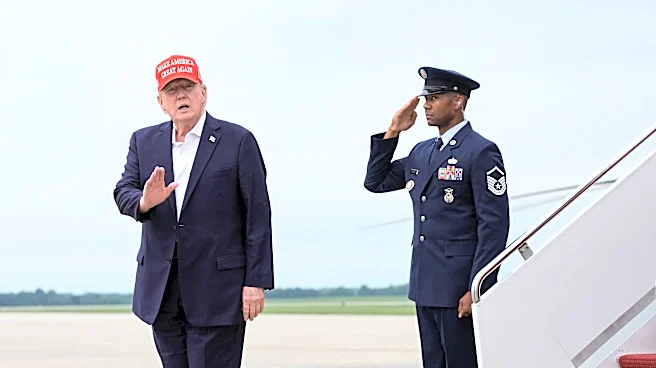
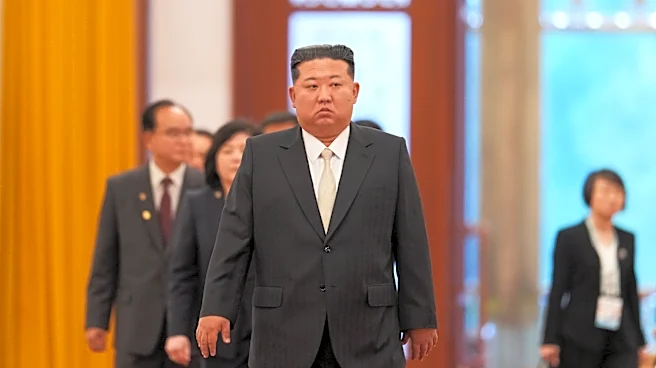
The American president, famous for his spiritual kinship with global tyrants and autocrats, decided on Sunday that he was pretty good friends with Kim, and it would be very rude to do joint military exercises with an American ally against his wishes.
“Based on my very good relationship with Kim Jong Un, of North Korea, I am not happy with the fact that the United States has, long ago, agreed to participate in Joint Military Exercises with South Korea,” Trump wrote Sunday afternoon on Truth Social. “These exercises are not only costly, with much of these costs paid for by the United States of America (as usual!), but send a signal that is totally inappropriate and hostile, to a Country that, as long as Donald J. Trump has been President, has been unthreatening and respectful.”
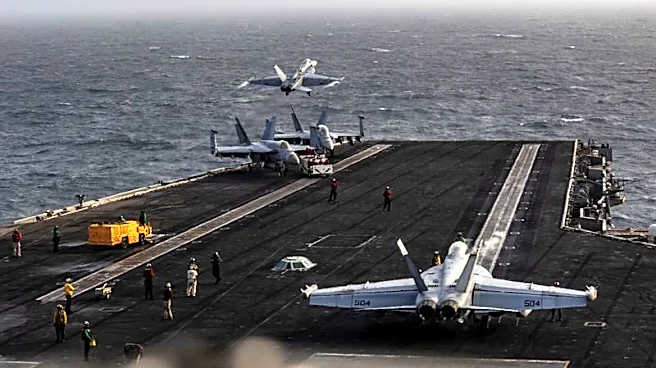
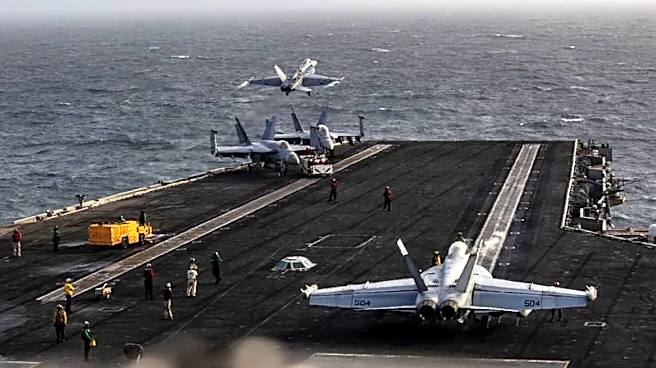
The president ordered Defense Secretary Pete Hegseth to “substantially reduce” the scope of the joint military exercises. The planned drills were expected to take place over 10 days, and focus on emerging and rapidly evolving warfighting technology, including drone use and cyberattacks.
Last year, the North Korean government called the 2025 drills “the most comprehensive and offensive war drill for aggression in terms of scale, content and nature.”
“The U.S. and its allies are gradually undermining the security environment of the Korean Peninsula,” they added.
In the lead up to this year’s exercises, they once again condemned the planned drills, calling them “a rehearsal for an aggressive war.”
“It is our consistent principle of ensuring security to respond to a new level of a threat with a new level of a deterrent,” the North Korean Foreign Ministry added, threatening that the nation would “more clearly express its stance on the enemies to cope with any threats and challenges through the responsible and decisive exercise of the right to legitimate self-defense.”
Trump has seemingly been cowed, at the potential expense of the trust of a critical ally in the region. The president’s deference to Kim Jong Un comes as other nations in Asia worry that his myopia on Iran and the large-scale depletion of American weapons stores could embolden China’s ambitions for control of Taiwan and other military targets. Trump seems more concerned with preserving his “good relationship” with a dictator.
Click here to read the full article.