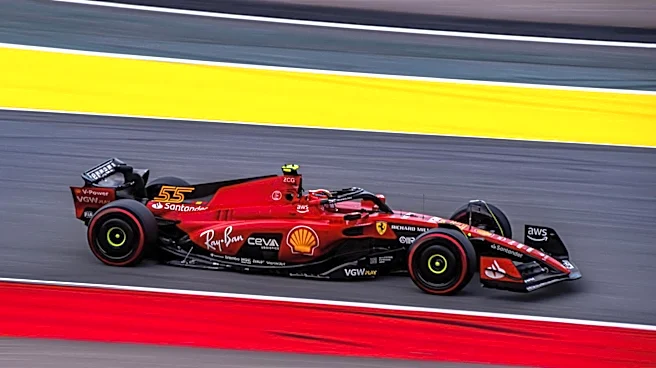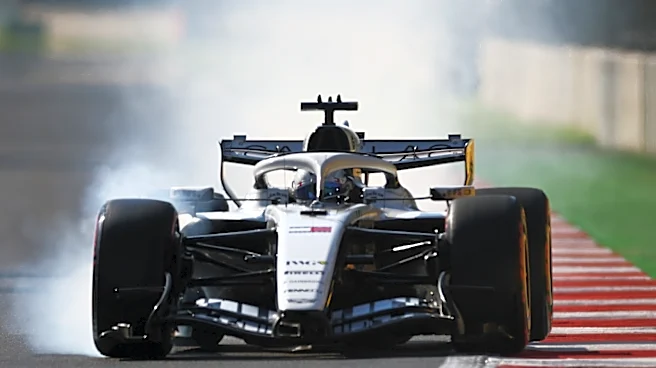

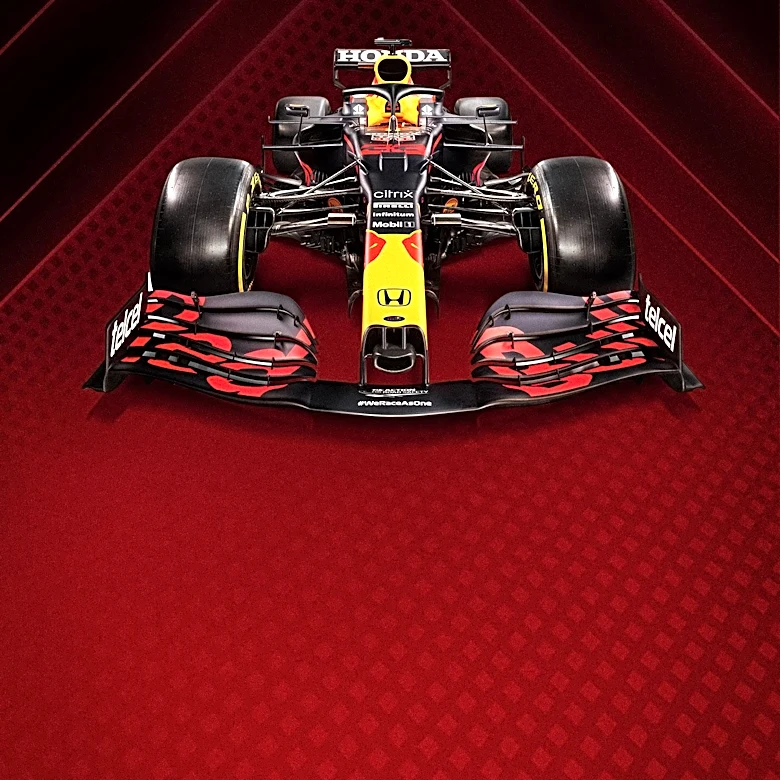






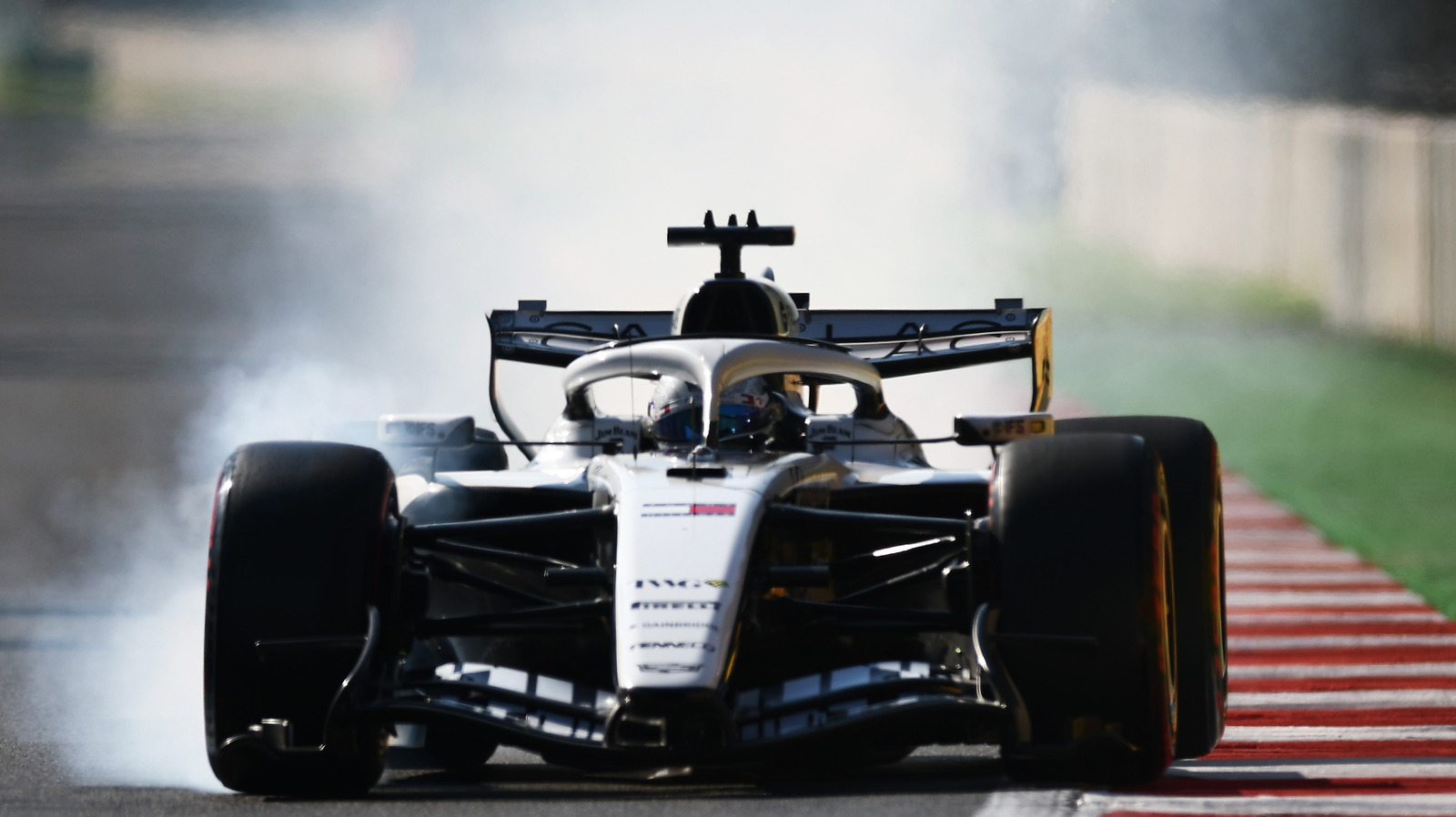
There's a bit of madness required to craft F1 cars, let alone drive them. The transmissions have to be able to absorb 3,800 shifts per race, and ideally last at least half the season — because they cost roughly $330,000. However, they're now so reliable, despite enduring tremendous forces, that a prior regulation that restricted each team to five transmissions a season was dropped. Ferrari has said its gearbox can survive for over 3,000 miles without any issues. That's thousands and thousands of gear changes,
and just about a whole Formula 1 season.
And an F1 shift happens in as little as 2 milliseconds, versus the leisurely 100 milliseconds it takes a dual-clutch transmission to shift in a supercar. That's a tenth of a second for the street sports car versus a 500th of a second for the F1 car, or 50 times faster per shift. Your mind should melt at that figure — and so, you'd think, would an F1 gearbox.
The reason it doesn't is that the gearbox can transfer load so rapidly that it's nearly in two gears simultaneously — but not exactly. The key here is mechanical. A device called a dog ring handles gear swaps. Through a simple revision of the shape of the ring's teeth, engineers were able to make the dog rings do two jobs at once — grab a gear when one side of its teeth are pushed against it, and if the driver selects another gear, the change in rpm forces the first ring to disengage. The fact that the change happens so quickly is necessary both to prevent double-gear engagement. Simultaneously, this gives teams a critical advantage that's become the motivating force behind F1's transmission arms race.
Read more: The Atlas Engine Family: GM's Lost Inline-5 Experiment
The death of the manual F1 gearbox
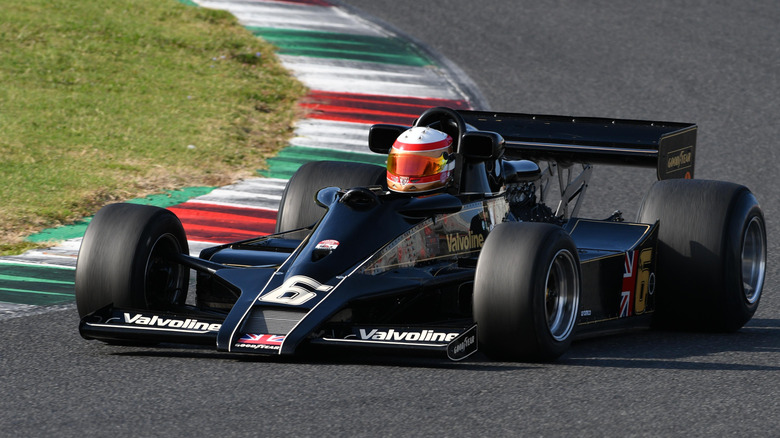
There were multiple reasons to ditch the manual gearbox in F1. First, if you're toggling a stick-shift gearbox you have to manipulate a clutch with your left foot, which makes it tougher to brake simultaneously. And it means you have to take one hand off the wheel to perform the gear change.
But Ferrari wasn't concerned about the added stress on its drivers when it pioneered paddle-shifting in 1989. Instead, it was chasing aerodynamic efficiency, and the mechanical linkages at the front of the brand's F1 car made it bulkier than if you could eliminate these elements. Which is what Ferrari did, switching to a hydraulic system controlled electronically each time the driver flipped a paddle. While the transmission was a reliability nightmare during its debut season, by 1990 Ferrari was winning with it.
That led to a development war, and by 1993 Williams engineered an even more advanced Continuously Variable Transmission, or CVT, which was banned before it could even compete. Yes, we know your CVT hate is way overblown and bordering on irrational. But Williams' CVT wasn't the widget you're envisioning. Instead, it was the precursor to today's ultra-reliable gearbox, and it could keep an F1 car's engine on the boil, never dropping rpm — exactly the advantage of the modern F1 transmission.
While Williams' 1990s CVT was banned, the modern F1 gearbox that enables 2-millisecond shifts has fundamentally the same result, maintaining constant power output and shaving crucial nanoseconds between gear swaps. All of those hundredths of a second over thousands of shifts add up to over 10 seconds of advantage during the course of an entire race.
Reliability comes at extreme cost
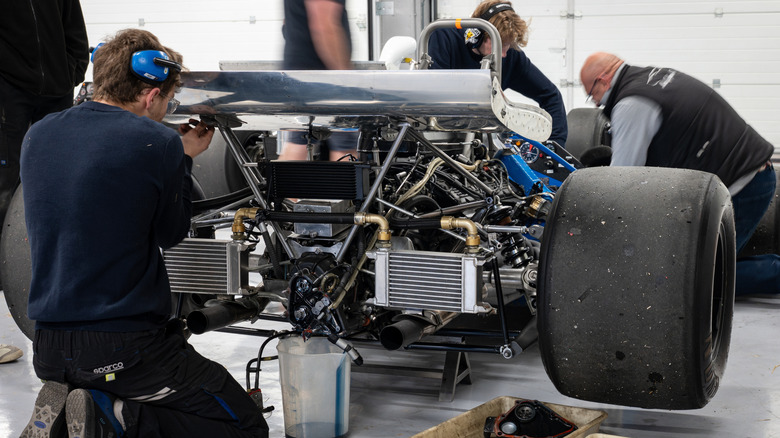
None of the trickery that enables such fast shifts would matter if it didn't come concurrently with advances in material science. Teams are 3D-printing titanium, then carving out small sections of that titanium and replacing them with carbon fiber to further reduce weight. Then F1 squads use a coating process on some parts called diamond-like carbon to reduce parts friction and increase wear life. All of these materials have to be used to withstand punishing heat while still offering exceptional strength-to-weight ratios.
That hand crafting as well as the gearbox's exotic materials explain its extreme cost. Still, that's a mere third of a million bucks, which is nothing compared to the $10 million to $15 million price of an entire F1 engine — even though they don't last long.
Probably what's more amazing about the transmission is that it's a stressed member. That means the gearbox not only has to withstand all the forces of constant rpm at up to 15,000 rpm and 500th-of-a-second gear changes, but it's also supporting the entire rear crash structure as well as the suspension. And the gearbox weighs a mere 88 pounds.
On top of all of that, F1 cars get a trick differential that's similar to what you'd want for your 4x4, since it can lock both rear wheels together in an instant to enable faster take-off. We'll suggest you might want to know the difference between a fully locking rear diff and a limited-slip differential before you decide to pavement-launch your not-F1 street car and detonate its non-3D-printed parts into smithereens.
Want more like this? Join the Jalopnik newsletter to get the latest auto news sent straight to your inbox, and follow us or add us as a preferred search source on Google.
Read the original article on Jalopnik.