



You might rightly think you already know the answer to this question: Nothing. Because the Chinese and American markets are profoundly different. Just consider EV adoption. So far in 2026, 53% of all new cars sold in China are EVs. In the U.S., that number is just 6.4%.
But Michael Tropper, one of the co-founders of the London- and Amsterdam-based design house forpeople, has spent the past two decades studying the Chinese market and living in China. Part of his work has focused on a partnership with
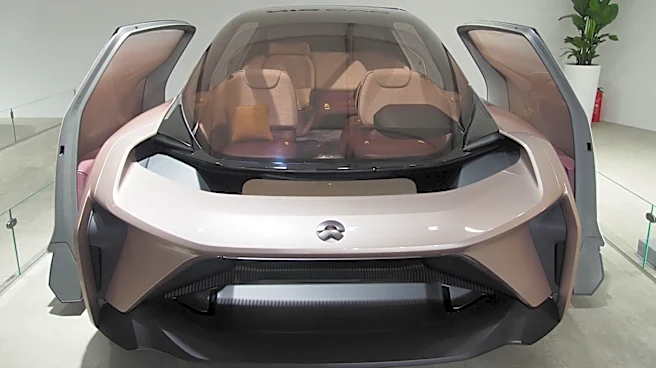
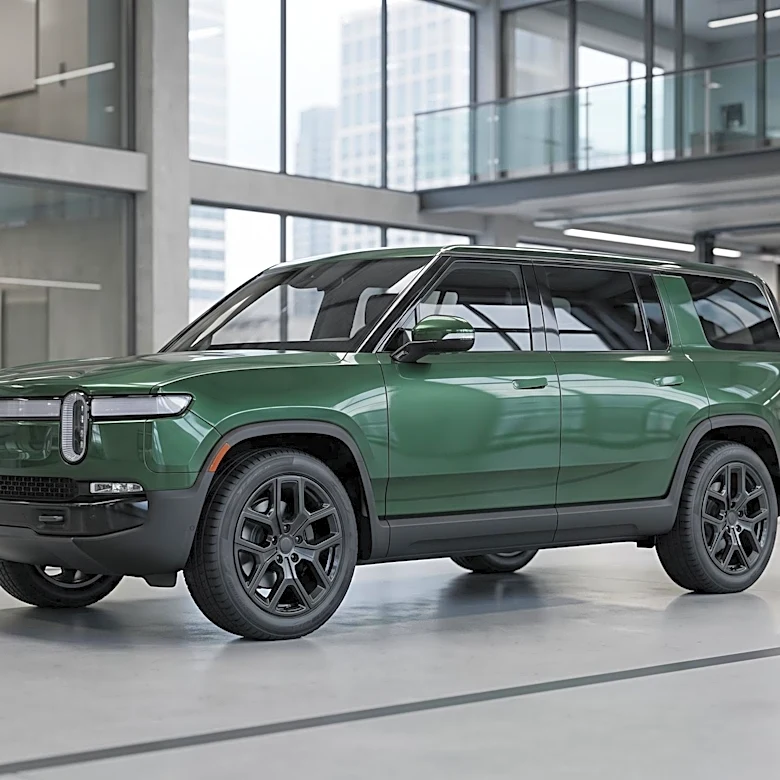
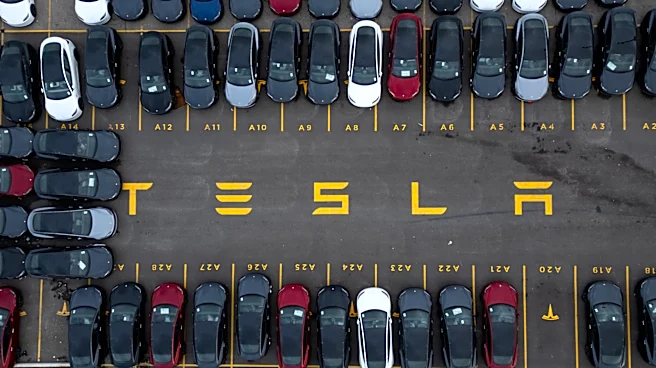
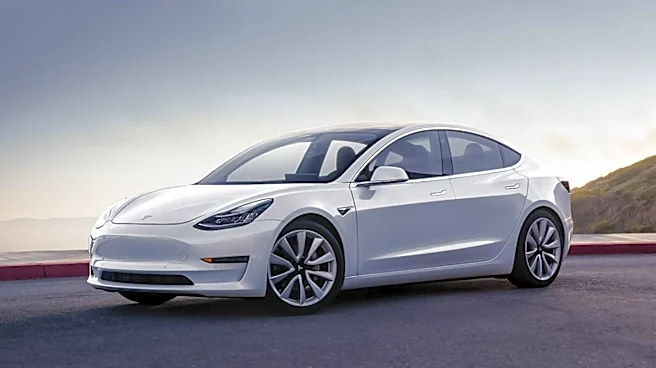
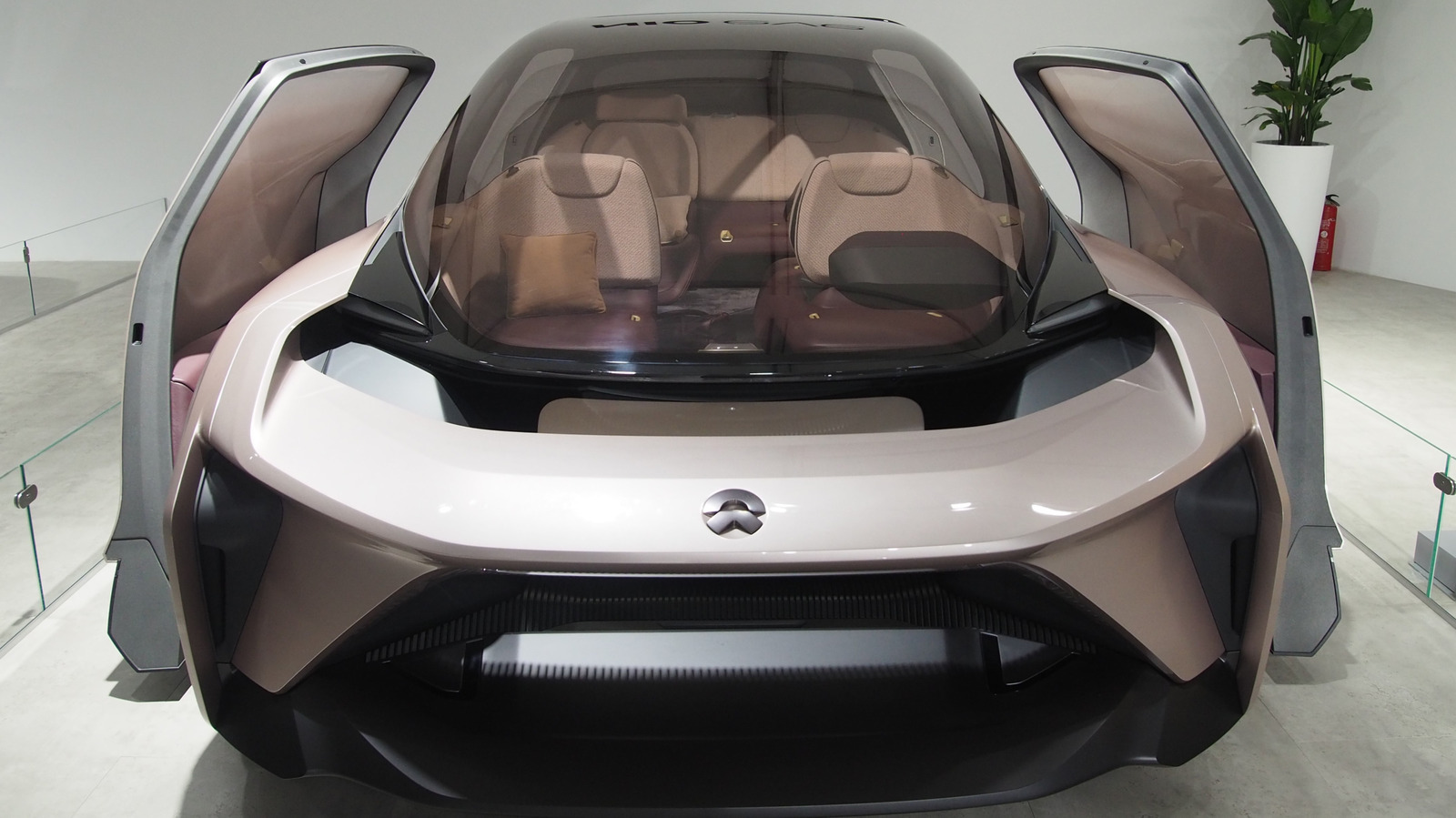
the carmaker, Nio, a brand you've perhaps never heard of, but which took in over $13.1 billion in 2025 and sold 326,028 cars. Just to contextualize that sales figure, it's about 55% of the 589,160 Teslas sold in the U.S. in 2025, but almost eight times the 42,247 Rivians sold in the U.S. last year.
Tropper says forpeople has worked with Nio across all of its branding, from logo design through its massive, 4,236-station battery-swapping network. Tropper cites this as one aspect American carmakers could learn from: the struggle of public charging, and carmakers not making charging integral to ownership. Nio's swaps take a mere three minutes. Pause and think — you can't fill a gas car that quickly. Nio's network conducts 110,000 battery swaps every day, completing a battery swap every 0.77 seconds.
"Rather than starting with the car and its features," Tropper explained in an interview with Jalopnik, "Nio looked at the entire EV ownership experience and the frustrations users faced. That thinking led to services like ... battery swapping [and] battery-as-a-service ... all designed to make ownership easier and build a closer relationship with customers."
Here are several more innovations from Chinese brands that Tropper thinks will translate for U.S. customers — and a few that may not.
Read more: 5 Exotics That Use Parts From Cheap Normie Cars (And Even Buses)
What is trusted design?
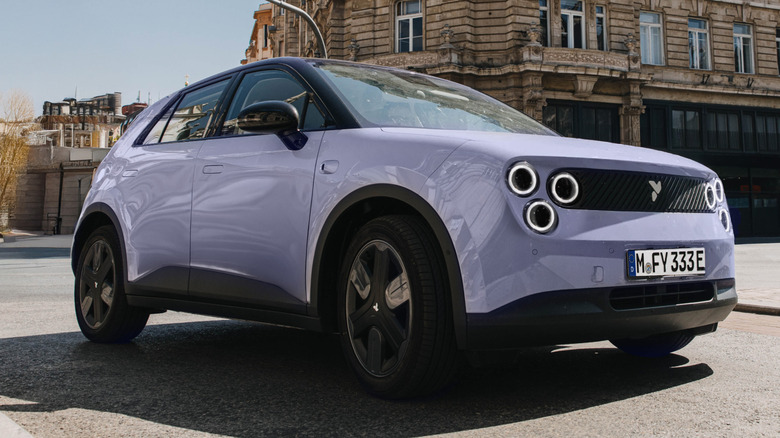
The Nio Firefly was originally designed for a European buyer. Once Europe decided to put tariffs on some Chinese car brands, though, the carmaker shifted, Tropper said, putting the car on sale in China first. It later got to Europe, though, and Tropper said this speaks well to its broad appeal. Part of what they were aiming for, he said, was "a spirited ... simple, characterful design." Another way to put this, Tropper said, is that the Firefly's look has "optimism and isn't kind of boring, but still appeals to really a wide variety of audiences."
Asked why that works, he said it depends. For instance, when it was first shown we wrote that the Rivian R3X is a rally EV you want to buy. But what, specifically, grabbed the public's imagination? Tropper answered that the R3X "borrows the character of classic rally cars without being tied to that history. It feels familiar but still genuinely new."
By contrast, he added, looking at other EV makers, "Scout is drawing on genuine heritage. Slate is taking a different approach, bringing back simplicity, a non-automotive, more product-design approach with a focus on tactile interactions. Lucid, meanwhile, are taking a more future-facing approach."
Tropper sees all these approaches as positive, because they're not monolithic. "I think that's healthy. As EV technology becomes increasingly similar, design becomes more important in giving brands distinction. There's room for different approaches, as long as they're authentic to the brand."
Trust is the word
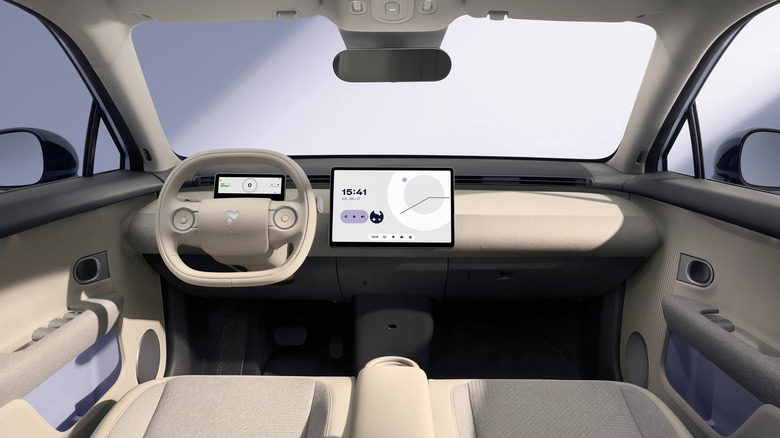
Tropper said one facet that's hugely important in design is trust, so one reason a Rivian might borrow rally overtones even without its own brand history is to give our brains an iconography we can identify. "Chinese brands are looking to the future. Western brands are increasingly looking to their past. In a market full of futuristic EVs, a familiar design can be a powerful way to stand out."
But to put a finer point on trust, he said, a car can't feel cheap. "On a product level, it's ... precision in the way that the product's put together, the feeling of even small interactions like opening the door handle or lifting the hood. ... It's those kind of micro details that can often also trigger the sense of trust ... and those more tactile interactions that you have with the product."
Forpeople studied this kind of interaction for Nio, Tropper said, and these tiny instances amount to "a, like, psychological neurological level, right? In terms of the way you perceive those interactions and that kind of engineering, and how it makes you feel. Whether you have a sense of peace of mind or whether you feel kind of on edge."
He explained that consumers don't build brand trust — or brand mistrust — in ways we can necessarily articulate, or from only looking at a product or touching it. It's "not necessarily .... just what you see, but also kind of from sound to lighting to ... even scent."
Bedazzling your whip
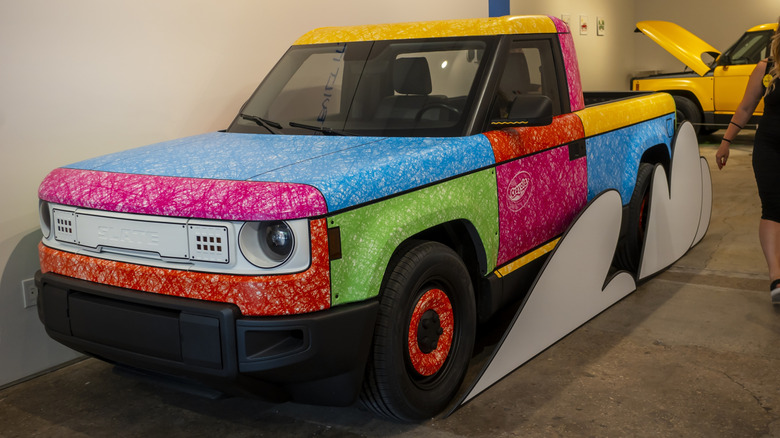
While Slate is obviously not a Chinese brand, the carmaker calls to mind something for Tropper that he thinks will matter increasingly in a digitized space: redefining ownership around the ease of customization. The Slate comes as a kind of skateboard you can convert from a truck into an SUV (though there are costs for the Slate Truck SUV conversion kit). The point for Tropper is that it allows customization and bedazzling that too many products are closed to.
"Owners can convert their pickup into an SUV after purchase, while collaborations with brands like Crayola open up new forms of personalization. The interesting shift is from buying a finished product to owning something that can evolve with you. That creates a very different relationship between customers and brands." He said Slate is smart to partner with Crayola, and such collabs are no accident. "They borrow credibility quite quickly from the other brands that they partner with ... and that can be quite powerful."
In terms of modularity, forpeople works with a Portuguese startup called Amble whose first vehicle, the Amble One, is like a highly customizable mashup between a golf cart and a Jeep. "Car design historically, all the focus has been on sort of changing colors and materials. But I think actually allowing you to tailor the vehicle to different use cases, like Amble, it's kind of allowing you to transition between the passenger vehicle to a cargo vehicle, to a pickup and a utility vehicle."
He said that interactivity with a car that's like a set of Legos has huge branding upside. "For me, the brands that succeed will give people more control over their space, their experience. That could become a more meaningful definition of luxury."
The robotaxi frontier
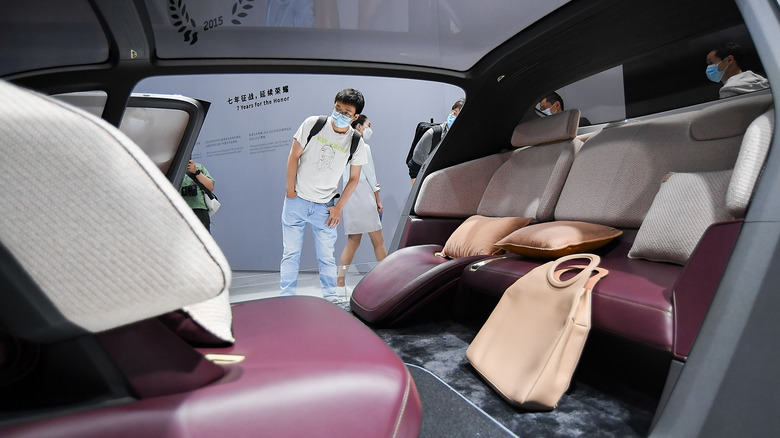
Tropper sees both a challenge and great design upside within the realms of AI and autonomous driving. On the former, he imagines much more than the voice control of the present, where you can use an assistant to change satellite radio stations. For instance, he said, "Rather than choosing from fixed apps, imagine cars generating applications and experiences in real time, from personalized games for children to interactive travel guides."
He also thinks that while proximity features already automate some aspects of our lives, where "getting into your car can automatically switch off appliances at home ... AI will take this much further. Rather than relying on preset routines or explicit commands, these systems will increasingly learn our habits, understand context, and anticipate needs we haven't even expressed."
For Nio, forpeople helped develop the character of an AI assistant called Nomi. It looks like a face on the car's dashboard, and Tropper said his team thought a great deal about making the AI understand that it's operating where your attention is divided. "You're not at a computer. You're not able to focus as deeply. So how do you interface with it in a different way?"
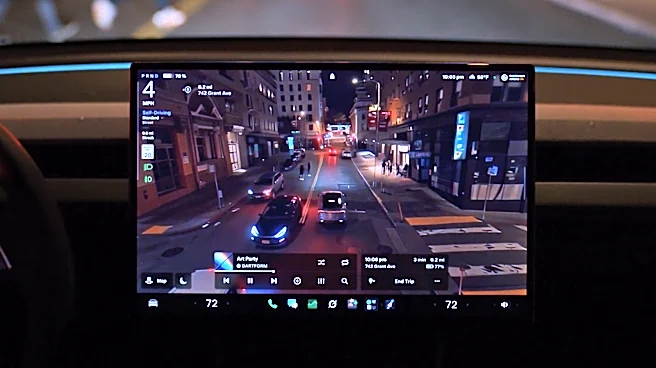
And that relationship gets deeper when the car is driving you, he said. "As people start to use robotaxis, we're now at this building-trust moment ... You want to really understand what the machine is is thinking, what it's perceiving, and have a different kind of way of communicating with the vehicle and it being able to give you little signals about what its intentions are. I think there's a really interesting space for design there, to help with that."
The full sensory experience
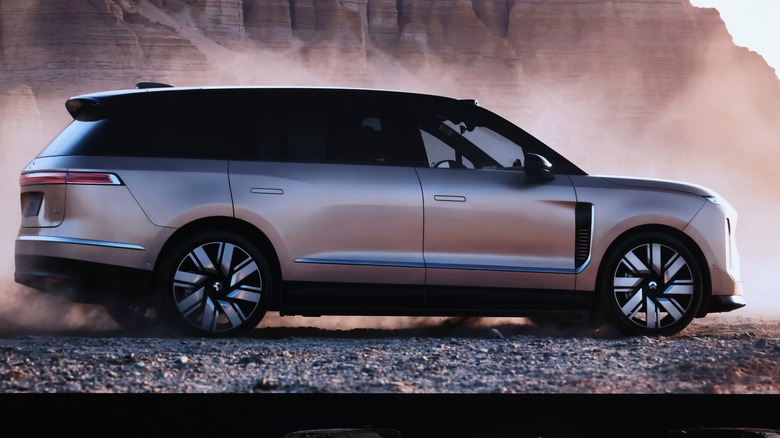
Forpeople's work has gone well beyond AI. For instance, Tropper said, with Nio's new ES9 SUV flagship the design house wanted to explore "how sound, light, scent, and the physical environment could be orchestrated to create more immersive experiences." This led to a system of "coordinating over 100 vehicle functions into a connected sensory experience." If non-drivers want to be entertained while in transit, or the vehicle is parked and the driver wants to take part, occupants can watch a film or TV show. During it, "lighting responds to the visuals, spatial audio surrounds passengers, and seats and suspension move with the action. Even airflow and scent can reinforce what's happening on screen."
That's compared to, say, just the audio system playing the soundtrack in theater mode. "The shift is from adding isolated sensory features to orchestrating the entire cabin as one responsive experience." It's integrated with the car's AI, too. "The ES9's Nomi AI assistant understands natural conversation and responds to passengers' requests," Tropper said. "Its five-zone climate system adjusts to individual preferences, even directing airflow based on seat position and sunlight."
Car dealers are icky everywhere
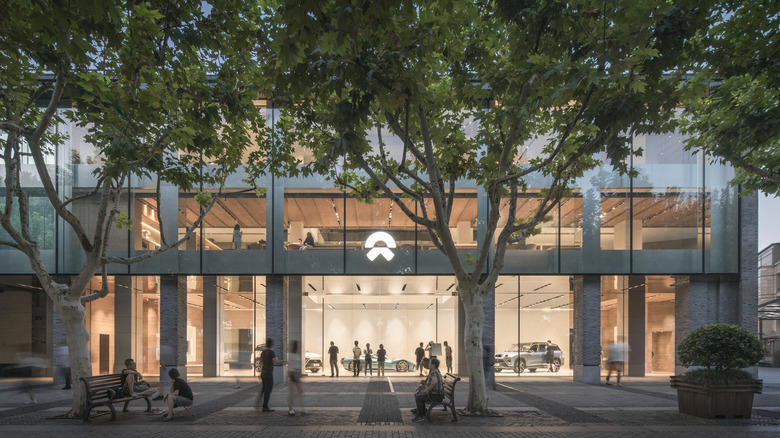
Tropper said that car dealers are an issue when it comes to making a lot of innovations stick, because they're about sales, not the brand. For Nio, forpeople created a kind of clubhouse model that's similar to Rivian's non-dealership Spaces, because Rivian doesn't have dealerships.
"The real opportunity is creating places people genuinely want to spend time. That's what we explored with Nio House ... We helped develop the original concept and spatial experience, bringing together a café, forum, library and kids' club."
What works, he explained, is not faking it. "Authenticity is key. These spaces need to be genuinely useful and credible, rather than brands stretching into areas where they don't belong. Much of Nio House's activity is driven by users themselves, organizing events and sharing interests. You can't manufacture community, but you can create the conditions for it."
But Tropper said a clubhouse and community are kind of gravy; you're not going to get that to work without everything else. "Quality comes back to the fundamentals: safety, build quality, durability and reliability. People want cars that feel well made, deliver the range they promise, and work properly years down the line. That now extends to software, too — it should work seamlessly, updates should improve the experience, and problems should be resolved quickly."
None of which sounds particularly Chinese. It sounds like an honest bargain. And being able to mod your car your way sounds profoundly American. The AI part? You tell us. But, you know, getting rid of car dealers? Where do we sign!
Want more like this? Join the Jalopnik newsletter to get the latest auto news sent straight to your inbox, and follow us or add us as a preferred search source on Google.
Read the original article on Jalopnik.