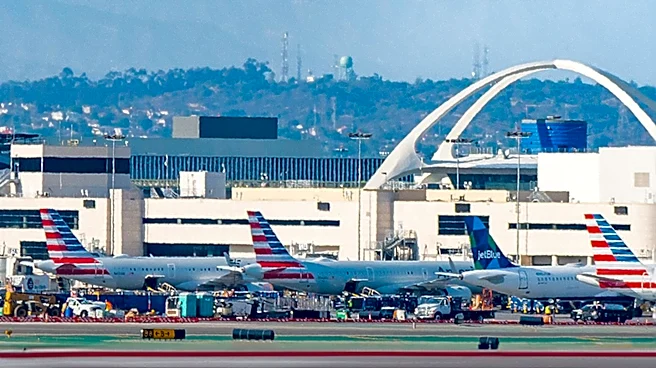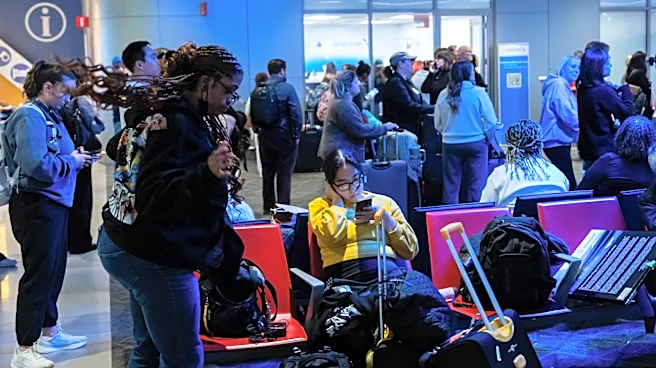



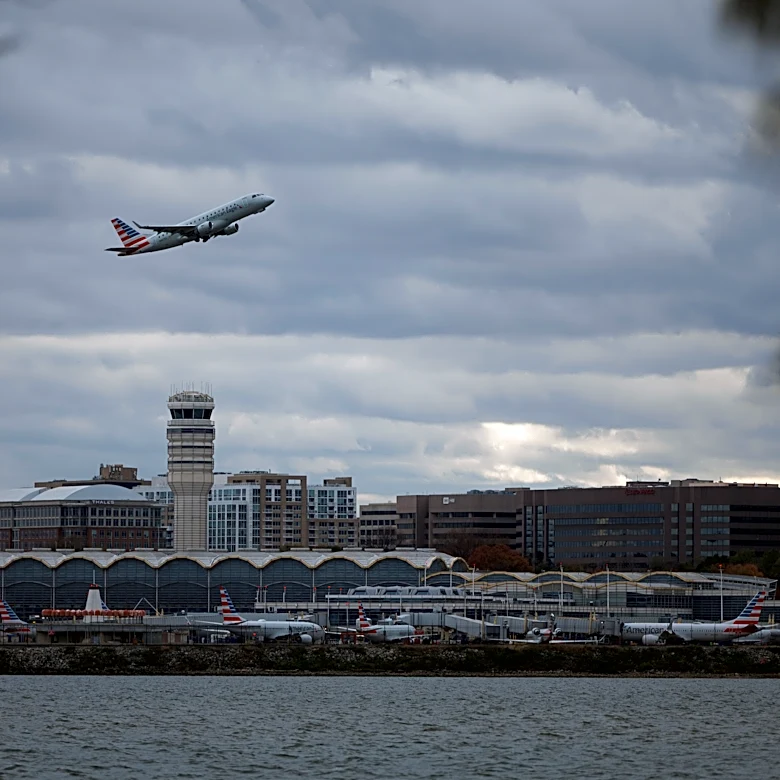



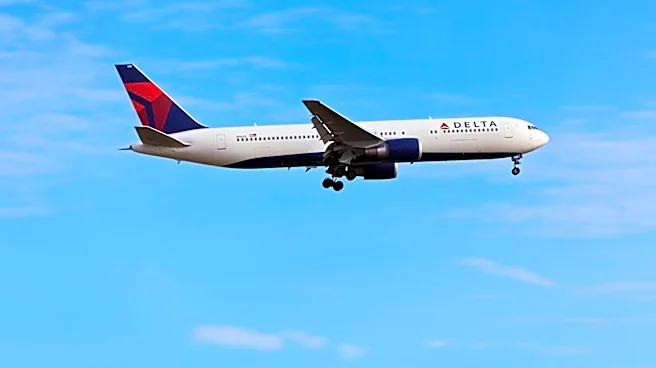
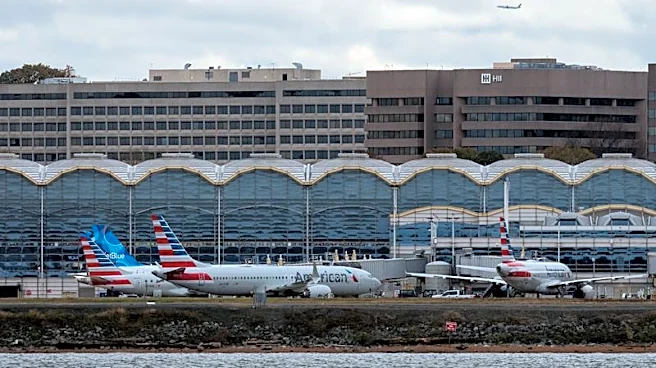
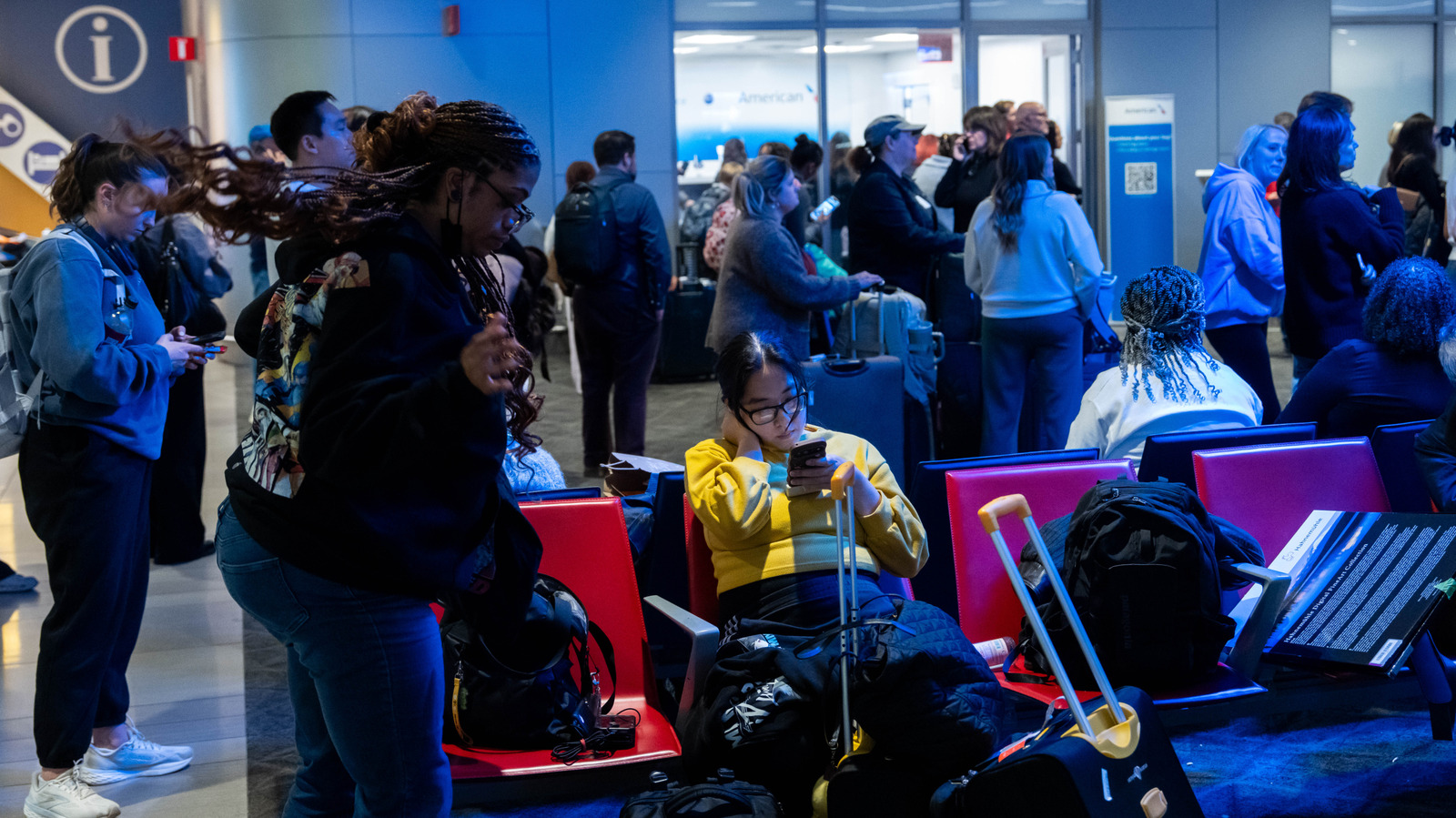
Commercial airline travel has returned to some form of normalcy after the FAA issued a nationwide ground stop on Friday. With over 9,000 flights canceled, speculation quickly centered on the agency's new AI air traffic control tools as the cause of the crisis. While AI could easily be ruled out, the actual reason might be just as idiotic. The FAA traced everything back to a router upgrade at a radio facility in El Dorado, Arkansas. The issue was compounded by a similar upgrade made at a radar facility in Amarillo,
Texas, several weeks earlier. A misconfiguration of the new equipment overwhelmed slower, legacy systems across the country with a torrent of data.
The FAA heaped blame for the air traffic control calamity on L3Harris, the defense contractor that owns and operates the telecommunications network that connects America's air traffic control system. This network is linked by thousands of aging industrial-grade routers that are being replaced by new routers produced by Cisco and Juniper Systems. According to The New York Times, the new routers in Arkansas and Texas "pinged the communications network hundreds of times per second, overwhelming an antiquated system." Agency officials pinpointed the problem to a broadcasting feature on the router. The data deluge caused communications disruptions at 17 of the FAA's 22 Air Route Traffic Control Centers, forcing officials to call for a nationwide ground stop.
Read more: How The Average MPG In The '70s Compares To The Average MPG Today
Duffy threatens this could happen again if he doesn't get $50 billion

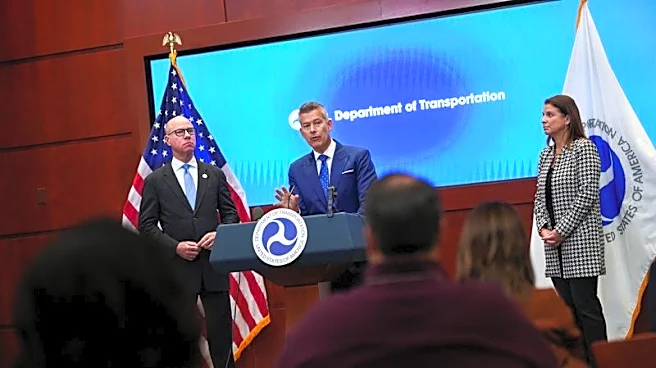
When the FAA lifted the ground stop four hours later, Transportation Secretary Sean Duffy and Homeland Security Secretary Markwayne Mullin took to the podium in the White House Press Briefing Room as if they were taking a victory lap. The duo addressed reporters as if the nation would be grateful the crisis lasted only a few hours, not furious that it happened at all. Duffy panhandled Congress for $50 billion while insisting that there would be more nationwide ground stops otherwise. Mullin had no real answers other than that he wasn't ruling out a cyberattack as a potential cause. Duffy and Mullin seemed more like Rosencrantz and Guildenstern than Cabinet secretaries.
Duffy has already been granted $12.5 billion to modernize the country's air traffic control system. The soaring price tag seems ridiculous for replacing copper with fiber-optic cable, to borrow his often-said line. The FAA knew how massive this project was before it allocated a single dollar to it. The jump to $50 billion raises questions about how Duffy is spending his budget.
To hedge off any conspiracy theories around cybersecurity, the L3Harris-run telecommunications system isn't connected to the internet. A foreign adversary or any other actor would need a person inside an FAA facility to attack the network. An NJ Transit construction crew showed the network is physically vulnerable earlier this year by severing an FAA backup system's fiber-optic cable alongside the Northeast Corridor, but that still wasn't enough to cause nationwide issues.
Want more like this? Join the Jalopnik newsletter to get the latest auto news sent straight to your inbox, and follow us or add us as a preferred search source on Google.
Read the original article on Jalopnik.