
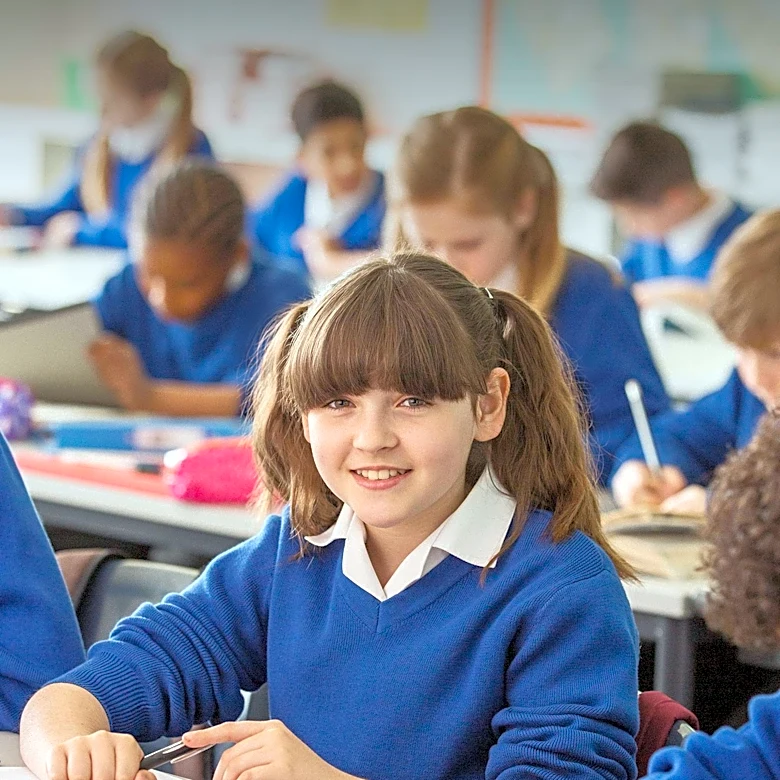



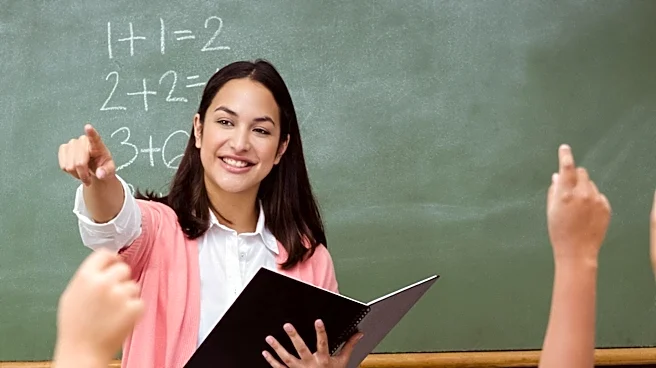



Cooperative learning is a versatile teaching approach that involves students working together in small groups to achieve shared academic goals. To maximize the benefits of cooperative learning, educators employ a variety of techniques and strategies that promote effective collaboration and engagement among students. Understanding these methods can help teachers create dynamic and inclusive learning environments.
The Jigsaw Technique and Its Variations
One of the most well-known cooperative
learning strategies is the Jigsaw technique. In this method, students are divided into small groups, with each member assigned a specific topic to become an expert on. After researching their topic, students regroup to teach their peers, ensuring that everyone gains a comprehensive understanding of the material.
Variations of the Jigsaw technique, such as Jigsaw II and Reverse Jigsaw, offer additional ways to engage students. Jigsaw II involves students focusing on separate portions of the same material, while Reverse Jigsaw has expert groups teach the entire class rather than returning to their original groups. These variations provide flexibility and adaptability, allowing educators to tailor the approach to their specific classroom needs.
Think-Pair-Share and Reciprocal Teaching
Think-Pair-Share is another popular cooperative learning strategy that encourages students to think critically and communicate effectively. In this method, students first contemplate a question or problem individually, then pair up to discuss their thoughts with a partner. Finally, they share their ideas with the larger group, fostering a collaborative learning environment.
Reciprocal teaching is a guided, cooperative learning approach that involves students working in pairs to discuss and analyze a text. By taking turns reading and asking questions, students develop important metacognitive skills, such as clarifying, questioning, predicting, and summarizing. This strategy not only enhances comprehension but also encourages students to learn from one another.
Team Game Tournament and Rally Table
The Team Game Tournament (TGT) is a cooperative learning technique that combines academic learning with friendly competition. Students are placed into small groups to study and prepare for a trivia game, motivating them to learn the material while fostering teamwork and collaboration. TGT is particularly effective in subjects like mathematics, where students can reinforce their skills through practice and peer support.
Rally Table is another cooperative learning strategy that promotes group learning and team building. In this process, students are divided into groups and take turns writing down their ideas on a shared topic. This written version of Round Robin encourages active participation and ensures that all group members contribute to the discussion.
Incorporating these techniques and strategies into cooperative learning can enhance student collaboration and engagement. By providing diverse and adaptable methods, educators can create a supportive and inclusive learning environment that fosters academic success and personal growth.