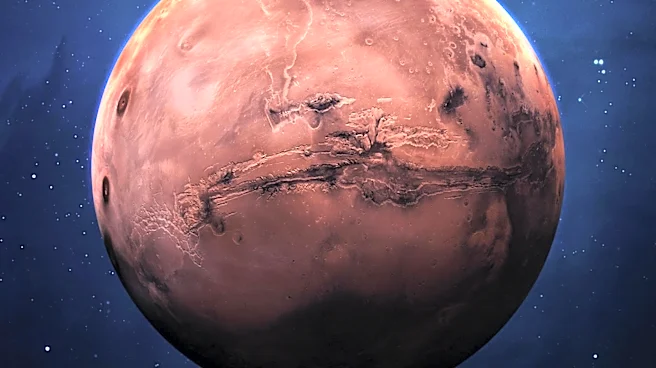

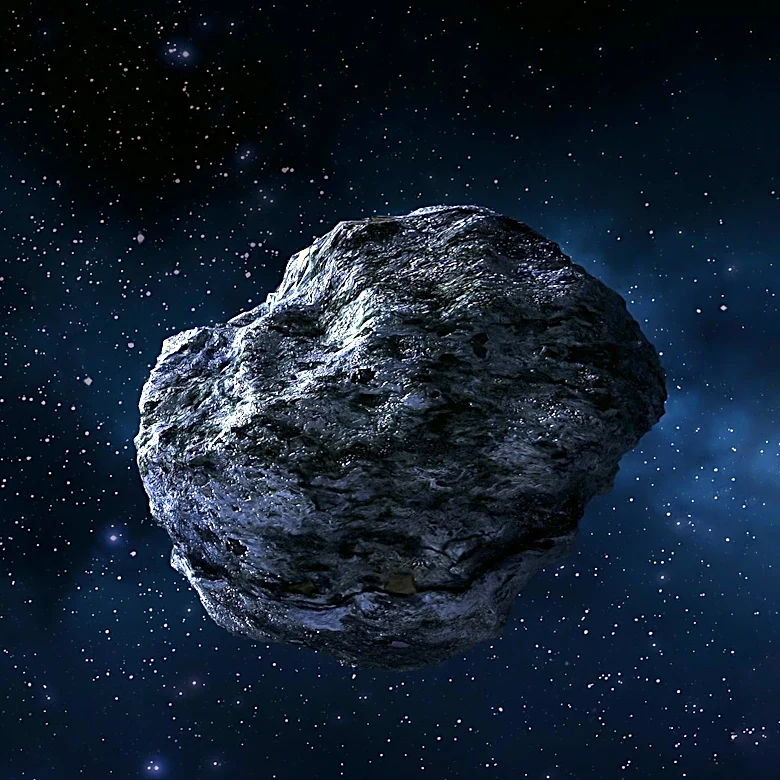





Mars, often associated with war and conflict in mythology, is orbited by two moons named Phobos and Deimos. These names, derived from Greek mythology, reflect the cultural and symbolic significance of Mars and its celestial companions. Discovered by Asaph Hall in 1877, Phobos and Deimos continue to intrigue not only scientists but also those interested in the mythological and cultural aspects of astronomy.
Mythological Roots
The names Phobos and Deimos are deeply rooted
in Greek mythology, where they are depicted as the twin sons of Ares, the god of war. In Roman mythology, Ares is known as Mars, which is fitting given the moons' association with the planet. Phobos represents fear and panic, while Deimos symbolizes terror and dread. These names capture the essence of the emotions often associated with war and conflict.
The choice of names for Mars' moons highlights the influence of mythology on scientific nomenclature. By naming the moons after mythological figures, astronomers like Asaph Hall were able to connect their discoveries to the rich tapestry of human storytelling and symbolism. This connection adds a layer of cultural depth to the scientific study of Mars and its moons.
Cultural Impact
The cultural impact of Phobos and Deimos extends beyond their mythological names. The moons have been featured in various works of fiction, including Jonathan Swift's _Gulliver's Travels_, where they are mentioned in a satirical context. Swift's reference to the moons predates their actual discovery, showcasing the imaginative power of literature in anticipating scientific discoveries.
In the 20th century, the moons continued to capture the imagination of writers and artists, appearing in science fiction stories and visual art. Their mysterious nature and association with fear and terror make them compelling subjects for creative exploration, inspiring works that blend science with mythology.
Continuing Influence
The mythological and cultural significance of Phobos and Deimos remains relevant today, as they continue to be subjects of scientific study and artistic inspiration. Upcoming missions to Mars aim to return samples from Phobos, potentially uncovering new information about its composition and origins.
As we learn more about these moons, their mythological names serve as a reminder of the enduring connection between science and culture. Phobos and Deimos symbolize the intersection of human curiosity, storytelling, and the quest for knowledge, making them fascinating subjects for both scientific and cultural exploration.