


Fashion forecasting is a global career that demands a keen eye for detail and a deep understanding of societal shifts. It involves predicting a wide array of elements, including colors, patterns, fabrics, textures, materials, prints, graphics, beauty grooming, accessories, footwear, and street styles that will appear on runways and in stores in upcoming seasons. This intricate process applies to every level of the fashion industry, from smaller retail
chains to high-end luxury brands. The effectiveness of fashion forecasting hinges on a structured approach that combines market analysis, consumer insight, and increasingly, advanced technological tools.
The Forecasting Process and Key Responsibilities
The fashion forecast process typically begins with understanding the vision of a business and profiling its target customers. This foundational step ensures that all subsequent predictions are aligned with the company's brand identity and consumer base. Forecasters then collect information about available merchandise, prepare this information for analysis, determine emerging trends, and finally, choose merchandise appropriate for the company and its target customers. This comprehensive approach helps fashion brands anticipate consumer desires and begin production ahead of time, ensuring they stay relevant and competitive.
Responsibility for trend forecasting varies among retailers, largely depending on whether a company operates as a wholesale brand or a private label developer. Larger companies, such as Forever 21, often maintain their own trend departments. These departments are tasked with closely monitoring styles, fabrics, and colors for upcoming seasons. This internal capability, sometimes referred to as vertical integration, provides a significant advantage, allowing developers to collaborate effectively and create a unified aesthetic for their sales floors. Product developers, for instance, may offer multiple seasonal collections each year, with women's wear companies often producing four to six lines annually due to the rapid pace of fashion changes in that segment.
The Role of Merchandisers and Designers
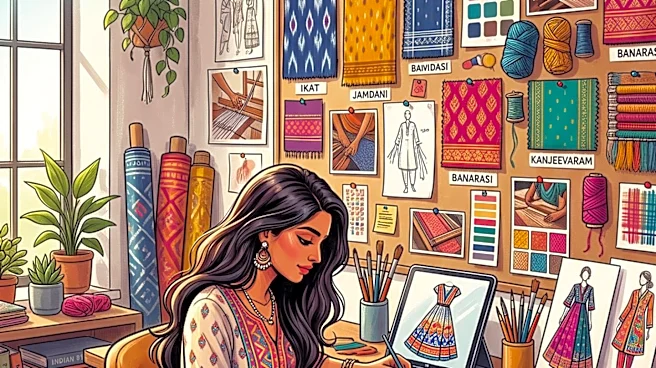
Beyond the trend departments, merchandisers play a crucial role in shaping the direction of upcoming trends. Unlike product developers, merchandisers often possess extensive experience in buying, giving them a deep understanding of what consumers are likely to seek. Their insights are invaluable in guiding the overall strategy for a collection. The designer then takes these identified trends and translates them into specific styles, silhouettes, and colors for the clothing line, while also creating an overarching theme for the particular season. This collaborative effort ensures that the final products are both fashionable and commercially viable.
Interestingly, fashion trends often exhibit a cyclical nature, tending to repeat themselves approximately every 20 years. Fashion forecasting also predicts which new trends might emerge as older styles rotate back into popularity. Historically, the upper classes have influenced the growth of fashion, with lower classes progressively emulating their styles. As these styles lose their distinctiveness, new concepts emerge as markers for the upper classes, continuing the cycle. In the modern era, individual bloggers have also become significant contributors to fashion forecasting, influencing designers and product teams through their platforms and insights.
Forecasting Methods: Traditional to Advanced
Traditionally, fashion brands and agencies forecasted trends by analyzing runway shows, trade shows, and information from newspapers and magazines. These sources provided the primary data for planning future collections. However, the fashion industry has evolved, and these descriptive analytics are now augmented by prescriptive and predictive analytics. The digital age, with the rise of the internet and social media, has dramatically accelerated the life cycle of trends, leading to phenomena like fast fashion and global supply chains. This shift has necessitated more advanced forecasting methods.
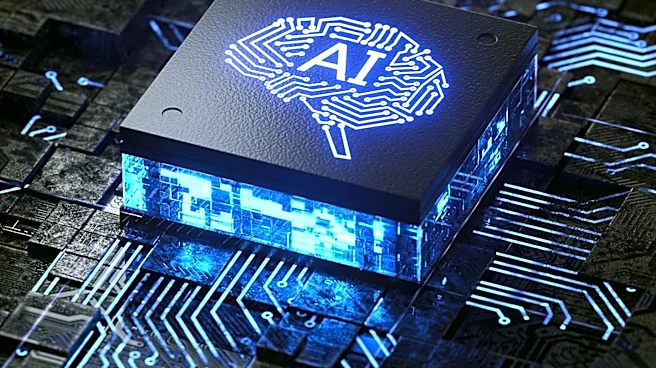
Today, new technologies, particularly artificial intelligence (AI), are being employed to predict future trends. AI is used to analyze text and hashtags on social media, online collections published by brands and magazines, and consumer behavior on e-commerce platforms. Machine learning algorithms analyze large databases of images to identify features of clothing and accessories, translating this raw data into trend forecasts. These advanced methods help determine a trend's online visibility and its potential future market demand. The adoption of AI in fashion forecasting is accelerating due to the growing importance of social media and understanding customer perception, offering sophisticated tools to navigate the complexities of the modern fashion landscape.