



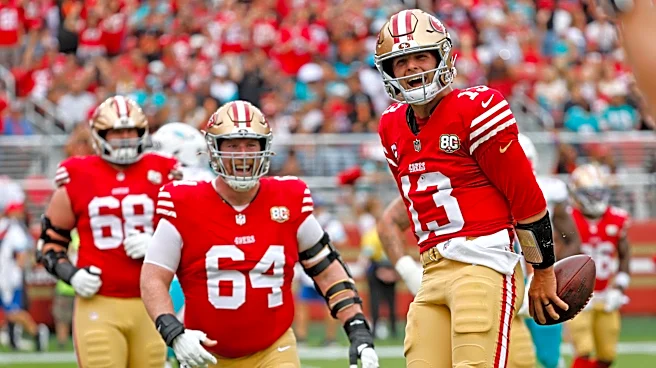
The U.S. national anthem kneeling protests, a significant movement highlighting issues of racial inequality and police brutality, originated in 2016 with American football player Colin Kaepernick. His actions during preseason games sparked a wider series of protests that have since resonated across various sports and even non-sporting contexts globally. The gesture of kneeling, rather than sitting, was a carefully considered decision, intended as a respectful
yet powerful form of peaceful protest against systemic injustices in the United States.
Kaepernick's Initial Stance and Motivation
Colin Kaepernick, then quarterback for the San Francisco 49ers, began his protest by sitting during the national anthem at the start of the 2016 NFL preseason. His actions initially went unnoticed for two weeks until media attention brought them to light. Kaepernick articulated his motivation clearly, stating, "I am not going to get up to show pride in a country that oppresses black people and people of color." He emphasized that his protest was not against the anthem or the nation itself, but against "organized brutality," asserting that the issue was "much bigger than football" and that it would be "selfish to look the other way" given the prevalence of police brutality and lack of accountability.
Kaepernick further explained his concerns, noting, "There are bodies in the street and people getting paid leave and getting away with murder." He committed to continuing his protest until he felt the U.S. flag truly represented what it was supposed to. This initial stance laid the groundwork for the movement, drawing attention to the specific grievances of racial inequality and police brutality that he sought to address.
The Transition to Kneeling and Eric Reid's Involvement
In the 49ers' final 2016 preseason game on September 1, 2016, Kaepernick altered his protest from sitting to kneeling. This change was influenced by a conversation with Nate Boyer, a retired Green Beret and former NFL player. Kaepernick's teammate, Eric Reid, joined him in this gesture during the same game. Reid later elaborated on the decision to kneel, explaining that it was chosen as a "respectful gesture" after "hours of careful consideration."
Reid likened their posture to "a flag flown at half-mast to mark a tragedy," underscoring the solemn and respectful intent behind their protest. This shift to kneeling was a deliberate attempt to show more respect to current and former U.S. military members while still maintaining the core message of protest. The involvement of Reid, and his articulation of the gesture's symbolism, helped solidify kneeling as the primary form of protest, distinguishing it from a mere act of defiance and imbuing it with a deeper meaning of mourning and respectful dissent.
Spreading the Message Beyond the NFL
Following Kaepernick and Reid's actions, the kneeling protest began to spread. Seattle Seahawks player Jeremy Lane also did not stand for the anthem during his final preseason game on the same day, declaring his intention to continue until "justice is being served." While a small number of other players adopted the gesture in the 2016 season, the movement gained significant momentum after then-President Trump criticized it in September 2017. His remarks, describing the act as disrespectful and urging NFL owners to fire protesting players, inadvertently led to a more widespread adoption of kneeling.
In response to Trump's criticism, over a hundred NFL players, along with athletes from other sports and even spectators, took the knee in subsequent weeks. This expansion demonstrated the growing solidarity among athletes and the broader public regarding the issues Kaepernick initially raised. The protest, which began as a solitary act, evolved into a collective statement, transcending individual athletes and becoming a symbol of resistance against racial injustice and police brutality, not just in the NFL but across various athletic and social spheres.