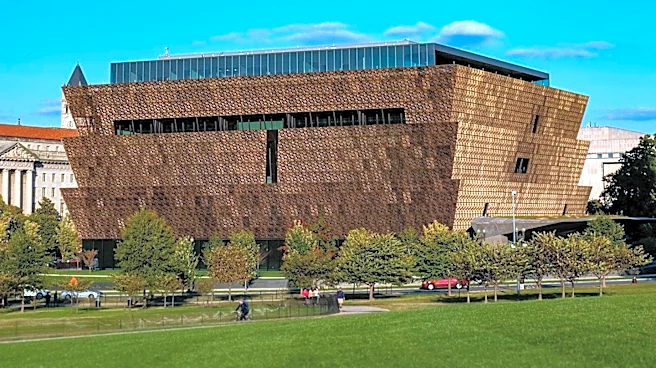







John Lewis, renowned for his civil rights activism, played a pivotal role in the establishment of the National Museum of African American History and Culture in Washington, D.C. His dedication to preserving African American history and culture was evident in his persistent efforts to create a national museum that would honor the contributions and struggles of African Americans throughout history.
The Long Road to Establishment
The journey to establish the National Museum of African
American History and Culture was a long and challenging one. In 1988, just a year after being sworn into Congress, John Lewis introduced a bill to create the museum. Despite his efforts, the bill faced significant opposition and failed to pass. Undeterred, Lewis continued to introduce the bill with each new Congress, demonstrating his unwavering commitment to the cause.
For 15 years, Lewis faced repeated setbacks, with the bill often being blocked in the Senate. One of the most notable opponents was conservative Southern Senator Jesse Helms, who consistently obstructed the bill's progress. However, Lewis's perseverance paid off when Helms retired in 2003, paving the way for the bill to gain bipartisan support.
A Historic Achievement
The establishment of the National Museum of African American History and Culture marked a historic achievement in John Lewis's career. In 2003, the bill finally passed, and President George W. Bush signed it into law. The Smithsonian's Board of Regents was tasked with establishing the museum's location, and the decision was made to situate it adjacent to the Washington Monument.
The museum's opening ceremony on September 25, 2016, was a momentous occasion, celebrating the culmination of decades of advocacy and hard work. The museum serves as a testament to the resilience and contributions of African Americans, providing a space for reflection, education, and inspiration.
Legacy and Impact
John Lewis's efforts to establish the museum have had a profound impact on the preservation and recognition of African American history. The museum offers visitors an opportunity to engage with the rich and complex narratives of African American experiences, fostering a deeper understanding of the nation's history.
Lewis's legacy as a champion of civil rights and social justice is further solidified by his role in creating the museum. His dedication to ensuring that African American history is celebrated and remembered continues to inspire future generations.
Through his tireless advocacy, John Lewis has left an indelible mark on American society, ensuring that the stories and contributions of African Americans are honored and preserved for years to come.