






The Australian Kelpie is a breed that has made a significant impact on herding practices worldwide. Known for its ability to muster and drive livestock with minimal guidance, this medium-sized dog has become a staple in agricultural communities across the globe. With its origins in Australia, the Kelpie has been exported to various countries, adapting to different environments and livestock needs. This article explores the Kelpie's global influence
and its role in modern herding.
Origins and Characteristics
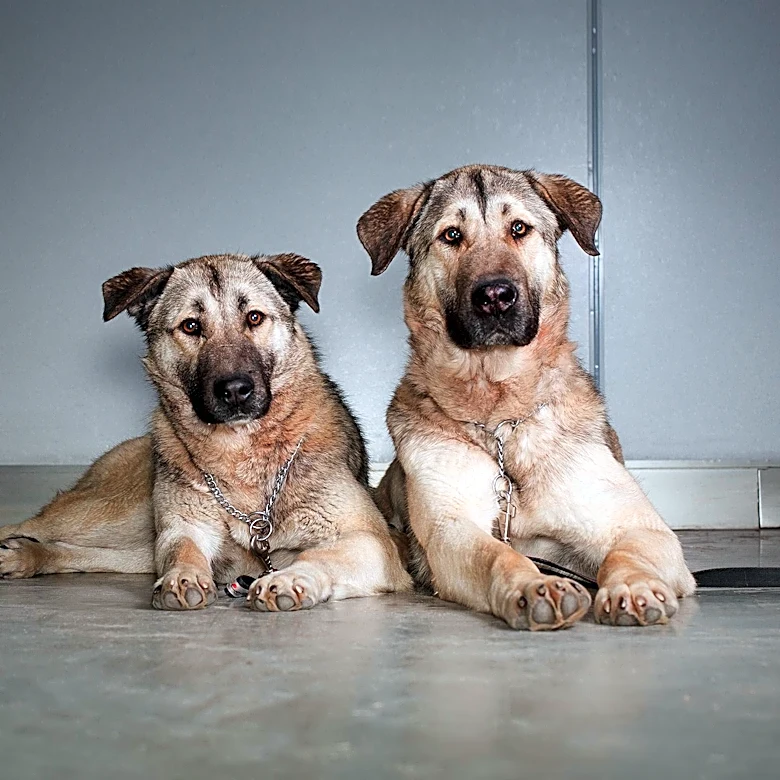
The Australian Kelpie originated in Australia, where it was developed to handle the unique challenges of herding livestock in the country's vast and rugged landscapes. The breed is known for its intelligence, agility, and independence, traits that make it an excellent working dog. Kelpies are medium-sized dogs with a short double coat that comes in a variety of colors, including black, red, chocolate, and blue.
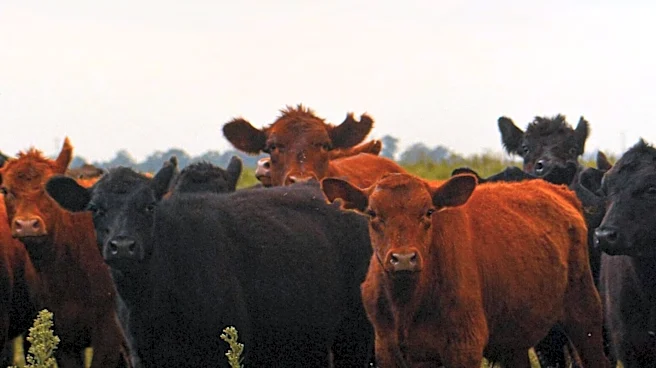
The breed's ability to work with little or no guidance is one of its most remarkable features. This trait is particularly valuable in large-scale farming operations where human supervision may be limited. Kelpies are capable of herding sheep, cattle, and goats, making them versatile assets in agricultural settings.
Global Export and Adaptation
The Kelpie's reputation as a reliable herding dog has led to its export to countries around the world. Nations such as Argentina, Canada, Italy, Korea, and the United States have embraced the breed for its herding capabilities. In each of these countries, Kelpies have adapted to local conditions and livestock, demonstrating their versatility and resilience.
In Sweden, Kelpies have been trained for tracking and rescue work, showcasing their ability to excel in roles beyond traditional herding. This adaptability has contributed to the breed's popularity and success in various international contexts.
Working and Show Varieties
The Australian Kelpie is divided into two distinct varieties: the Working Kelpie and the Show Kelpie. The Working Kelpie is bred for its herding ability and is registered with organizations that prioritize working traits. This variety is known for its wide range of acceptable coat colors and is favored by farmers and ranchers for its practical skills.
On the other hand, the Show Kelpie is bred for appearance and is registered with kennel clubs that focus on conformation standards. While the Show Kelpie may not possess the same level of herding instinct as its working counterpart, it remains a popular choice for dog shows and competitions.
The Australian Kelpie's global impact is a testament to its versatility and effectiveness as a herding dog. Whether in the fields of Australia or the farms of Sweden, the Kelpie continues to be a valuable asset to agricultural communities worldwide.