


Spotting is a critical component of weight training, ensuring safety and enhancing performance. Different exercises require specific spotting techniques to be effective. This article explores the various spotting methods used in weight training, focusing on exercises like the bench press, barbell squat, and skull crushers.
Spotting the Bench Press
The bench press is one of the most common exercises where spotting is essential. During a bench press, the lifter lies on their
back and pushes a barbell away from their chest. The spotter's role is to stand behind the lifter's head, keeping their hands close to the bar. This position allows the spotter to quickly assist if the lifter struggles to complete the lift.
A spotter should be ready to help lift the bar back to the rack if the lifter cannot complete the press. This assistance is crucial in preventing the bar from falling onto the lifter, which could cause serious injury. Additionally, the spotter can provide verbal encouragement, helping the lifter push through challenging reps.
Spotting the Barbell Squat
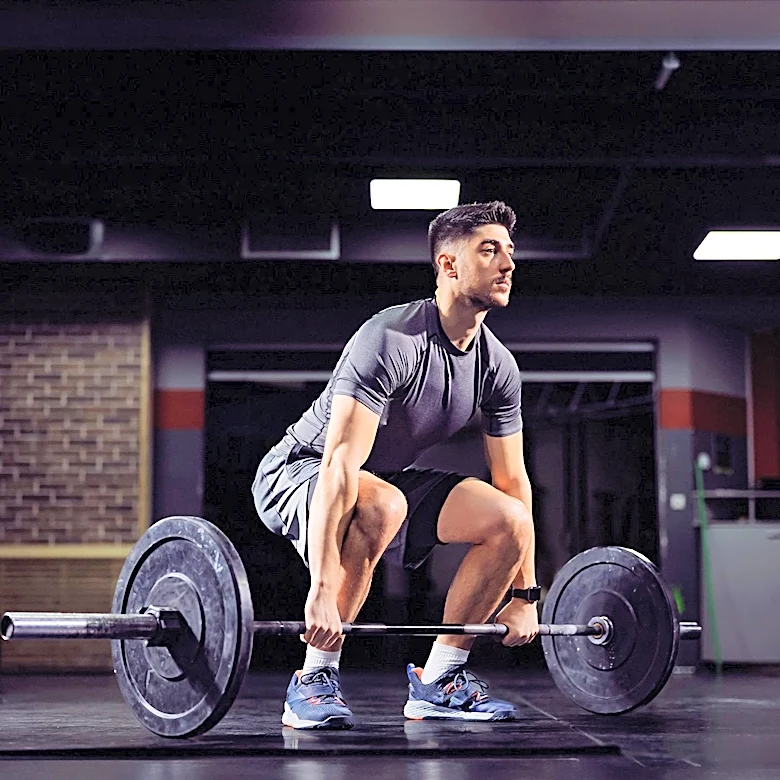
Spotting a barbell squat requires a different approach. Ideally, two spotters are used, one on each side of the barbell. These spotters should position themselves at the ends of the bar, ready to assist if the lifter struggles. In the event of a missed lift, each spotter hooks an elbow under the bar and takes the plates in both hands.
If only one spotter is available, they can assist by taking some of the weight off the bar, allowing the lifter to return it to the rack. This method requires careful coordination to ensure the weight is evenly managed, preventing any imbalance that could lead to injury.
Spotting Skull Crushers
Skull crushers, a triceps exercise, also benefit from spotting. In this exercise, the lifter lowers an E-Z bar towards their head while lying on a bench. The spotter stands behind the lifter, keeping their hands about six inches below the bar. This position allows the spotter to catch the bar if the lifter runs out of energy.
The spotter's role in skull crushers is crucial, as the bar is lowered towards the lifter's head. Quick intervention can prevent the bar from causing injury. By maintaining close proximity to the bar, the spotter can ensure the lifter's safety while allowing them to push their limits.
Spotting techniques vary depending on the exercise, but the goal remains the same: to ensure safety and support the lifter in achieving their training goals. By understanding the specific needs of each exercise, spotters can provide effective assistance, enhancing both safety and performance.