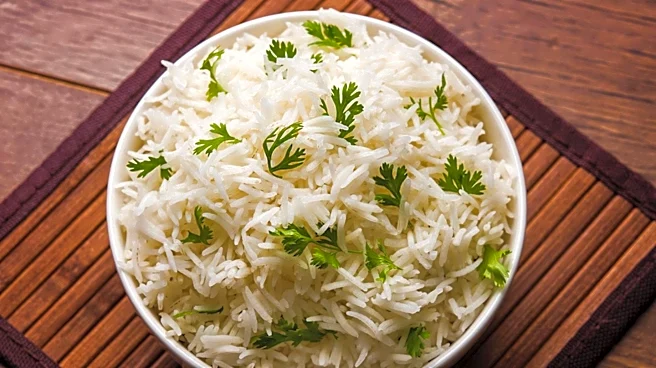










Basmati rice is renowned for its distinctive aroma and flavor, setting it apart from other rice varieties. Originating from the Indian subcontinent, primarily in India and Pakistan, Basmati rice is a staple in many traditional dishes. Its unique characteristics have made it a favorite among chefs and home cooks alike, particularly for dishes like biryani and yellow rice.
The Science Behind the Aroma
The aroma of Basmati rice is one of its most celebrated features. This fragrance
is primarily due to the presence of a chemical compound called 2-acetyl-1-pyrroline. Basmati rice contains about 0.09 parts per million of this compound, which is significantly higher than in non-Basmati rice varieties. This compound is also found in other aromatic foods like cheese and fruit, contributing to the rice's unique scent.
During the cooking process, the level of 2-acetyl-1-pyrroline decreases, which is why soaking the rice before cooking is recommended. Soaking helps to preserve more of the aroma and reduces cooking time by about 20%. This practice ensures that the rice retains its signature fragrance, enhancing the overall dining experience.
Flavor Profile and Culinary Uses
Basmati rice is not only known for its aroma but also for its distinct flavor. The combination of its fragrance and taste makes it a versatile ingredient in various culinary traditions. In Indian and Pakistani cuisines, Basmati rice is often used in biryani, a dish that layers the rice with meat, vegetables, and spices. The rice's ability to absorb flavors while maintaining its own makes it ideal for such complex dishes.
The long, slender grains of Basmati rice also contribute to its appeal. Unlike other rice varieties, Basmati grains elongate during cooking, remaining separate and fluffy. This texture is particularly desirable in dishes where the rice is the star, allowing it to complement rather than overpower other ingredients.
Global Appreciation and Adaptations
While Basmati rice is traditionally grown in India and Pakistan, its popularity has spread worldwide. In the United States, a variety known as Texmati is grown in Texas, offering a local adaptation of this beloved rice. Similarly, in Kenya, a variety called Pishori is cultivated, reflecting the global demand for Basmati's unique qualities.
The international appreciation for Basmati rice has led to its inclusion in various global cuisines. Its aromatic and flavorful profile makes it a preferred choice for chefs looking to add an exotic touch to their dishes. As a result, Basmati rice continues to be a symbol of culinary excellence, celebrated for its ability to transform a simple meal into a gourmet experience.