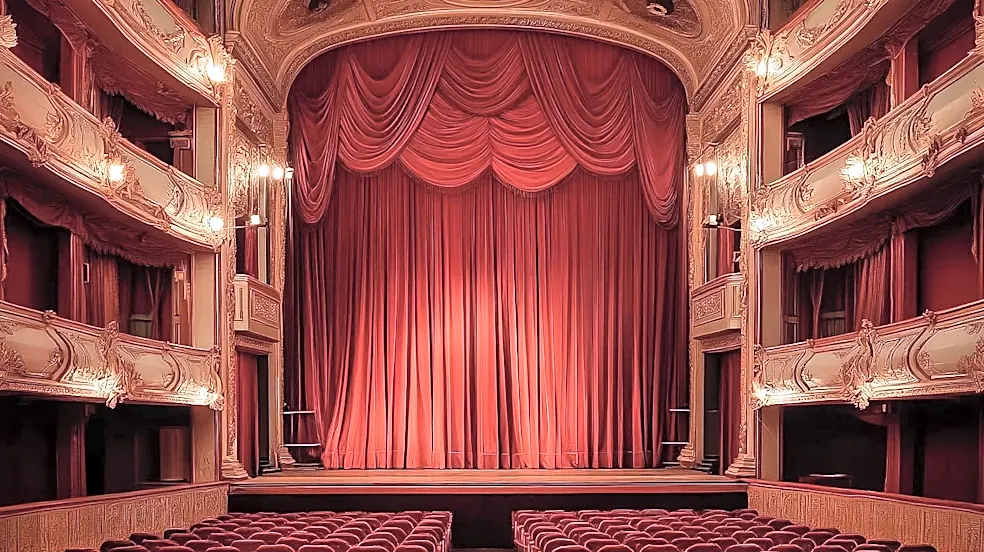








Charles Gounod's *Faust*, a grand opera based on a French libretto by Jules Barbier and Michel Carré, embarked on its theatrical life with a distinct form that would evolve significantly over time. Premiering at the Théâtre Lyrique in Paris on March 19, 1859, the opera initially featured spoken dialogue, a characteristic that placed it closer to the *opéra comique* tradition. However, through a series of revisions, additions, and adaptations driven
by both artistic and practical considerations, *Faust* gradually transformed into the grand opera format that became widely known and celebrated, influencing its performance history and reception across continents.
The Original Form and Early Revisions
The very first performance of *Faust* utilized spoken dialogue, a common practice for operas of its type at the time. Léon Carvalho, the manager of the Théâtre Lyrique, oversaw the initial production, which included his wife, Caroline Miolan-Carvalho, as Marguerite. During this early stage, the production underwent several internal changes, such as the removal and contraction of various musical numbers. The casting of Faust also saw a last-minute change, with Joseph-Théodore-Désiré Barbot replacing Hector Gruyer shortly before opening night. These initial adjustments highlight the fluid nature of operatic productions in the mid-19th century.
Following its successful debut, the opera's publisher, Antoine Choudens, acquired the copyright and initiated a tour through Germany, Belgium, Italy, and England. For these touring performances, a crucial structural change was implemented: spoken dialogue was replaced with recitatives. This alteration marked a significant step towards a more continuous musical narrative, moving away from the *opéra comique* style and closer to the conventions of grand opera, where music typically flows without interruption. Caroline Miolan-Carvalho continued her role during these international tours, ensuring continuity in the lead performance.
The Grand Opera Transformation
The complete transformation of *Faust* into a grand opera was solidified by further additions and revisions. A notable instance occurred in 1869 when a ballet sequence became a mandatory inclusion for the work to be performed at the Opéra. This ballet, inserted into the first scene of the final act, was a standard requirement for grand opera productions at the Opéra, reflecting the genre's emphasis on spectacle and elaborate staging. With the integration of sung recitatives and these balletic additions, *Faust* fully conformed to the established conventions of grand opera. This final form contributed to its immense popularity, making it the most frequently performed opera at the Opéra.
Another significant musical addition occurred in 1864 during an English-language performance at Her Majesty's Theatre in London. Gounod composed a new aria, 'Even bravest heart may swell,' for the baritone Charles Santley in the role of Valentin. This piece, with lyrics by Henry Chorley, was later translated into French as "Avant de quitter ces lieux" and became one of the opera's most famous and frequently performed numbers. These musical enhancements, alongside the structural changes, illustrate the opera's journey from its initial conception to its grander, more elaborate form, which captivated audiences for generations and cemented its place in the operatic repertoire. The inclusion of the Walpurgisnacht ballet in all performances of the full version at the Metropolitan Opera between 1965 and 1977 further underscores the lasting importance of these grand opera elements.