






Balsamic vinegar, a popular condiment known for its rich, glossy, deep brown appearance and complex flavor, offers more than just culinary appeal. Its nutritional profile, particularly its caloric content, sets it apart from other vinegars. Furthermore, understanding the distinctions between traditional balsamic vinegar and its more widely available commercial counterparts is key to appreciating its unique characteristics and production methods.
Caloric Content and Grape Sugars
One
notable aspect of balsamic vinegar's nutrition content is its caloric density. It contains carbohydrates derived from grape sugars, which make up approximately 17% of its total composition. This concentration of grape sugars results in balsamic vinegar being about five times higher in caloric content compared to typical distilled or wine vinegar. While it is a grape product, it's important to note that traditional balsamic vinegar does not contain balsam, despite historically being aged in balsam as one of the steps in its production.
The presence of these grape sugars also contributes to its unique flavor profile. A high acidity level, characteristic of vinegar, is somewhat masked by the sweetness of these grape-derived components, giving balsamic vinegar a mellow and balanced taste. This balance of natural sweet and sour elements, combined with hints of wood from the aging casks, creates its distinctive complex flavor.
Traditional vs. Commercial Varieties
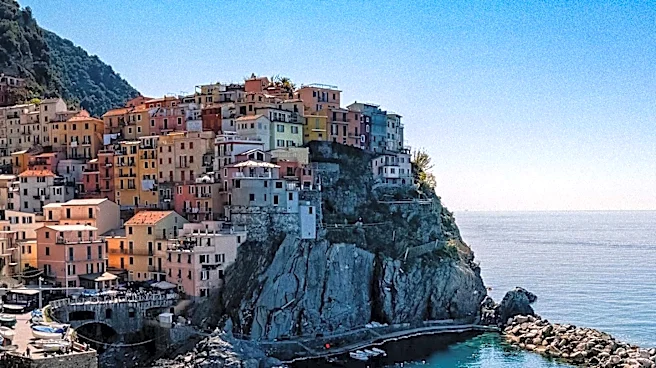
Traditional balsamic vinegar, often marked "tradizionale" or "DOC" (Protected Designation of Origin), is a highly regulated product. It is exclusively produced in the Modena and Reggio Emilia provinces of Italy, using only the concentrated juice, or must, of white Trebbiano grapes. This original product is aged for a minimum of 12 to 25 years in a succession of casks made from various woods like oak, mulberry, chestnut, cherry, juniper, and ash. This lengthy and specific process results in a costly product that was historically available primarily to the Italian upper classes.
In contrast, a cheaper, non-DOC commercial form, often labeled "aceto balsamico di Modena" (balsamic vinegar of Modena), became widely known and available globally in the late 20th century. This commercial variety is typically made by mixing concentrated grape juice with a strong vinegar, then colored and slightly sweetened with caramel and sugar. While it offers a similar flavor profile, its production methods are less stringent, and it does not undergo the same extensive aging process as traditional balsamic vinegar. The European protected geographical indication (PGI) system protects this mass-market variety, allowing for more leeway in its production, including the use of grape must not exclusively from Modena and Reggio Emilia, and permitting the addition of wine vinegar and caramel.