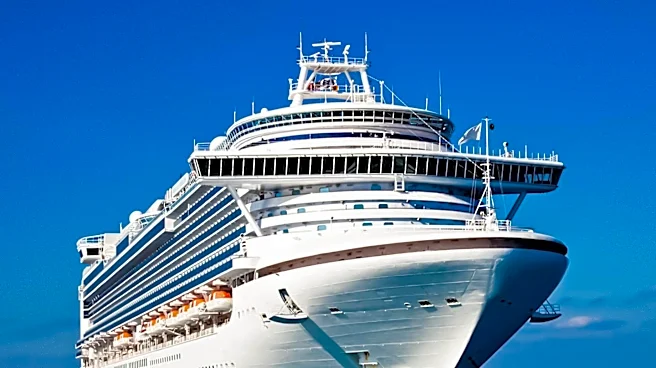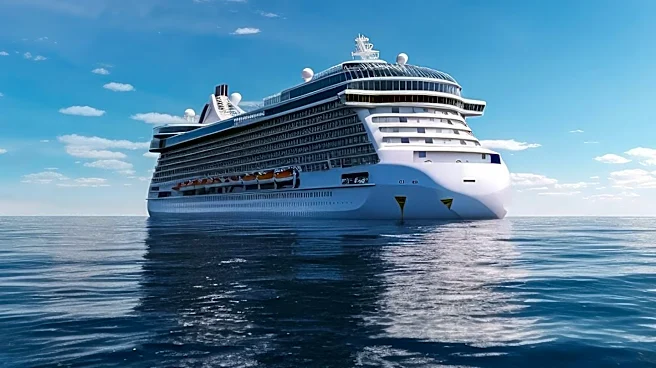








The Sea Venture, originally a 17th-century English sailing ship, has left a lasting legacy that extends beyond its historical significance. Its name and spirit have been carried forward into the modern era, influencing the development and operation of cruise ships. This article explores how the Sea Venture's story has shaped the cruise industry, particularly through its connection to the iconic Pacific Princess.
From Sea Venture to Pacific Princess
In 1971, a new cruise ship was launched
under the name Sea Venture, operated by Flagship Cruises. This vessel was part of a new class of luxury cruise ships designed to offer week-long cruises between the United States and Bermuda. The choice of name was a nod to the historical Sea Venture, which had played a pivotal role in Bermuda's settlement.
The modern Sea Venture was built in West Germany and featured advanced propulsion systems, including two variable pitch propellers and a side propeller. It was capable of reaching speeds of up to 21.5 knots, making it a fast and efficient vessel for its time. The ship's design and operation set a new standard for luxury cruising, paving the way for future developments in the industry.
The Love Boat Era
In 1975, the Sea Venture was sold to Princess Cruises and renamed Pacific Princess. This ship gained fame as the primary setting for the popular television series "The Love Boat," which aired from 1977 to 1986. The show depicted the romantic and adventurous experiences of passengers aboard a cruise ship, capturing the imagination of viewers worldwide.
The success of "The Love Boat" significantly boosted the popularity of cruise travel in North America. The Pacific Princess became synonymous with the concept of luxury cruising, and its portrayal in the series helped establish Princess Cruises as a leading brand in the industry. The ship's legacy continued to influence the design and marketing of cruise ships, emphasizing the importance of passenger experience and entertainment.
Legacy and Impact
The Sea Venture's transformation into the Pacific Princess highlights the enduring influence of historical ships on modern maritime practices. The Pacific Princess's role in popular culture and its impact on the cruise industry demonstrate how a single vessel can shape perceptions and drive innovation.
Today, the legacy of the Sea Venture and Pacific Princess lives on in the cruise industry, inspiring new generations of ships and travelers. The story of these vessels serves as a reminder of the rich history and cultural significance embedded in maritime traditions.
The Sea Venture's journey from a 17th-century sailing ship to a modern cruise icon illustrates the dynamic evolution of maritime travel. Its influence continues to resonate, reflecting the enduring connection between history and contemporary practices in the cruise industry.