




In the vibrant cultural landscape of Boston during the late 1960s, the Boston Tea Party emerged as a pivotal concert venue, shaping the city's rock music scene. Far from being just another club, it became a legendary space that hosted an impressive roster of iconic bands and artists, drawing diverse crowds and fostering a unique atmosphere. Its history is intertwined with the evolution of rock music, from its origins in a repurposed synagogue to its eventual
expansion and influence on local media. The venue's impact extended beyond just performances, becoming a cultural touchstone for a generation.
From Sacred Space to Rock Hall: The Venue's Origins
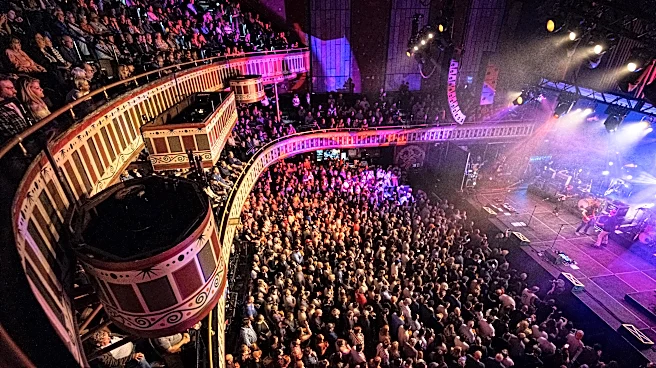
The building that first housed the Boston Tea Party, located on Berkeley Street, had a rich and varied history even before it became a rock music hall. Constructed in 1872, its original purpose was as a synagogue, evidenced by the large stained-glass Star of David prominently displayed on its facade. Over the years, it is believed to have transitioned into a Unitarian meeting house and later a street mission. Before its transformation into a concert venue, it served as a space for showing underground films. This eclectic past set the stage for its next incarnation when Ray Riepen and David Hahn acquired the building. They converted it into a dedicated concert venue, officially opening its doors as a rock music hall on January 20, 1967. This transformation from a place of worship and community gathering to a mecca for rock and roll highlights the dynamic cultural shifts occurring in the era.A Stage for Legends: Iconic Performances and Atmosphere
Initially, the Boston Tea Party primarily featured local acts, providing a platform for emerging talent. However, its reputation quickly grew, attracting some of the most famous artists of the time. The list of performers who graced its stage reads like a who's who of 1960s rock: the Grateful Dead, Chicago, Neil Young, The J. Geils Band, Frank Zappa, Pink Floyd, Cream, Fleetwood Mac, The Allman Brothers Band, Joe Cocker & the Grease Band, Led Zeppelin, The Stooges, Dr. John, Free, The Buddy Miles Express, Charlie Musselwhite, Jeff Beck, The Who, The Byrds, Santana, Taj Mahal, Ten Years After, and Sly and the Family Stone. In 1968, Don Law took over management, further elevating the venue's profile by bringing in major acts from England. Admission prices were typically modest, ranging from $3.00 to $3.50 per show, though The Who commanded a premium of $4.50 for their performance of *Tommy*. The visual experience was also a key component, with light shows designed by Roger Thomas, John Boyd, Deb Colburn, and Ken Brown, run by Lights By The Road. A distinctive arched inscription, "Praise Ye the Lord," a remnant from the building's synagogue days, served as an ironic and memorable backdrop above the stage.The Velvet Underground's Residency and Cultural Impact
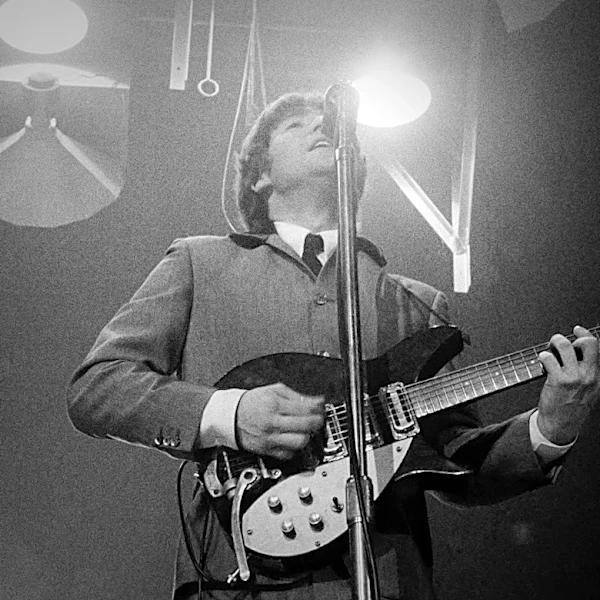
The Boston Tea Party held a special significance for certain bands, notably The Velvet Underground. The band frequently played to full houses at the venue, with former manager Steve Nelson noting that "People in Boston just adopted them, and that ranges from Harvard graduate students to tough kids from the neighborhood...and that really was the start of their, I guess we could call it a residency." Jonathan Richman, a musician heavily influenced by The Velvet Underground, was a regular attendee. He vividly described the diverse crowd: "Wall-to-wall hippies, bikers, Harvard students, Northeastern students, fashion models, professors, drug dealers, art teachers, groupies, MIT students, photographers, local thugs, local disc jockeys, skinny-bohemian-artist girls, visiting dignitaries from the New York art scene, and the royalty of the Boston music set—the local singers and guitar-players in their mod suits strolling around with their beautiful girlfriends."An infamous concert in December 1968 featured The Velvet Underground headlining with the recently signed MC5 as the opener. The MC5's high-energy performance, including "Kick Out the Jams," was met by a room full of "Up Against the Wall Motherfuckers" anarchists. Following MC5's set, one of the Motherfuckers incited the audience to "burn this place down and take to the streets." Lou Reed of The Velvet Underground later distanced his band from the incident, assuring fans, "we have nothing to do with what went on earlier and in fact we consider it very stupid." The venue was also the site of a 1969 Velvet Underground show whose bootleg became known as the *Guitar Amp Tapes* due to the microphone placement inside Lou Reed's amplifier. The building itself had a prior connection to The Velvet Underground, having showcased underground filmmakers like Andy Warhol, who managed the band, and Jonas Mekas, a friend who allowed them to rehearse in his loft.