




Gutzon Borglum, the sculptor behind iconic American monuments like Mount Rushmore, was a figure deeply intertwined with the political and social currents of his time. Beyond his artistic endeavors, Borglum maintained significant political connections and found himself embroiled in controversies that shaped his career and public image. His friendships with prominent figures, active participation in political campaigns, and complex relationship with organizations
like the Ku Klux Klan reveal a multifaceted individual whose public life extended far beyond the studio.
Friendship with Theodore Roosevelt and Political Activism
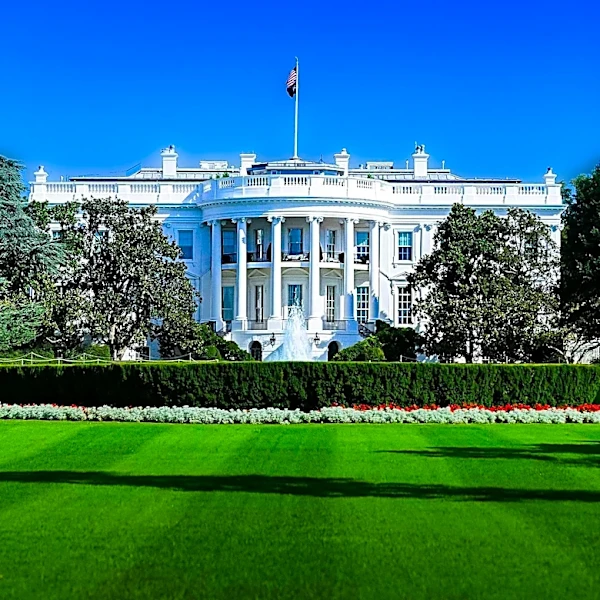
Borglum enjoyed a long-standing friendship with Theodore Roosevelt, a connection that proved beneficial to his career and provided him with a platform for political engagement. This friendship was evident when Roosevelt, as president, exhibited Borglum's bust of Abraham Lincoln in the White House. Roosevelt's admiration for Borglum's work was further highlighted at the unveiling of Borglum's equestrian statue of General Philip Sheridan in Washington, D.C., where the president declared it "first rate."Beyond personal connections, Borglum was an active participant in the political arena. During the 1912 United States presidential election, he served as a very active campaign organizer and a member of the Bull Moose Party, which Roosevelt led. This involvement demonstrates Borglum's commitment to political causes and his willingness to lend his influence and organizational skills to campaigns he believed in. His political leanings and connections were an integral part of his public persona, influencing both his artistic opportunities and his broader social interactions.
Masonic Affiliations and Public Life
Borglum's public life also included significant involvement with the Ancient Free and Accepted Masons. He was raised in Howard Lodge #35 in New York City on June 10, 1904, and later served as its Worshipful Master from 1910 to 1911. His commitment to the Freemasons was further recognized in 1915 when he was appointed Grand Representative of the Grand Lodge of Denmark near the Grand Lodge of New York. He also received his Scottish Rite Degrees in the New York City Consistory on October 25, 1907.These affiliations placed Borglum within a network of influential individuals and organizations, further solidifying his position in public life. His involvement with such groups, alongside his political activism, indicates a man who was not content to remain solely in the artistic sphere but actively sought to shape the world around him through various channels. This engagement contributed to his ability to secure and manage large-scale public art projects, which often required navigating complex political and social landscapes.
The Stone Mountain Project and Klan Controversy
One of the most controversial aspects of Borglum's career was his involvement with the Stone Mountain project in Georgia and his subsequent association with the Ku Klux Klan. While it has been claimed that Borglum was a member of the KKK, an article in the Smithsonian Magazine denies proof of his official membership. However, the same source notes that he became "deeply involved in Klan politics," attending Klan rallies and serving on Klan committees. This level of involvement, regardless of official membership status, clearly linked him to the organization.In 1925, Borglum was dismissed from the Stone Mountain project, having only completed the head of Robert E. Lee. Some attributed this dismissal to infighting within the KKK, with Borglum reportedly involved in the strife. Later, Borglum stated, "I am not a member of the Kloncilium, nor a knight of the KKK," though this statement was considered by some to be "for public consumption." Further evidence of his views comes from correspondence during the 1920s, which detailed a deep racist conviction in Nordic moral superiority and strict immigration policies. A letter to Borglum from D. C. Stephenson, an infamous Klan Grand Dragon, displayed at the Mount Rushmore museum, further underscores these connections, bearing the inscription "To my good friend Gutzon Borglum, with the greatest respect." This period remains a complex and controversial chapter in Borglum's life, highlighting the intersection of his artistic ambition with the problematic social and political movements of his era.