






Teriyaki, a term now globally recognized, represents a fascinating culinary journey that began in Japan and evolved significantly upon reaching the United States. At its core, teriyaki is a cooking technique involving broiling or grilling foods with a glaze made from soy sauce, mirin, and sugar. This method imparts a distinctive shine or luster, known as "teri," and the cooking process itself is referred to as "yaki." While the fundamental concept
remains, the application and ingredients have diversified considerably across cultures, particularly in North America.
Origins in Japan: A Traditional Technique
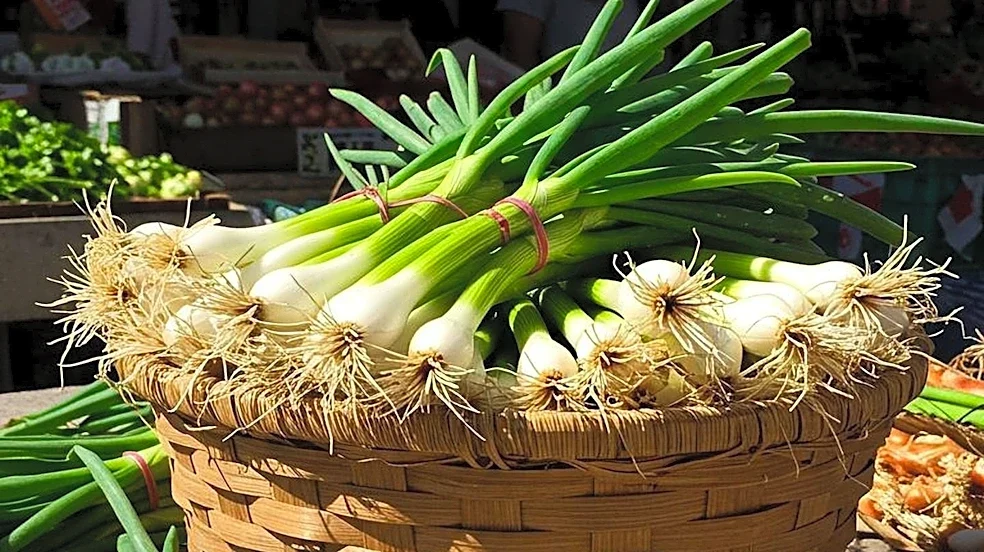
The origins of teriyaki as a cooking technique can be traced back to the Edo period in Japan, believed to have evolved during the 1600s. In its traditional Japanese form, teriyaki primarily involves fish, with yellowtail, marlin, skipjack tuna, salmon, trout, and mackerel being common choices. The tare, or sauce, is typically prepared by blending soy sauce, sake (or mirin), and sugar, which is then heated and reduced to the desired thickness. This sauce is used to marinate the fish, which is subsequently grilled or broiled. During the cooking process, the food is often dipped in or brushed with the sauce, ensuring a rich, glazed finish. Sometimes, ginger is incorporated into the tare, and the final dish might be garnished with spring onions, adding to its traditional Japanese character.
Beyond fish, other ingredients occasionally used in Japan for teriyaki include squid, hamburger steak, and meatballs, showcasing some versatility even within its traditional context. However, the emphasis on seafood and the specific composition of the tare highlight its distinct Japanese culinary identity. The careful reduction of the sauce over heat is crucial, aiming to achieve the perfect consistency and flavor balance without caramelizing the sugar too quickly or completely evaporating the alcohol from the sake, which is intended to occur during the grilling or broiling itself.
American Adaptation: Sweetness and Innovation
When teriyaki made its way to North America, it underwent significant adaptations, leading to what is often described as "American-style teriyaki." In the United States, the term "teriyaki" frequently refers to any dish prepared with a teriyaki-like sauce, even if it deviates from traditional Japanese methods or ingredients. A notable shift is the predominant use of white and red meats, such as chicken, pork, lamb, and beef, in contrast to the fish-centric Japanese tradition. This preference for meat reflects broader Western culinary habits.
American teriyaki sauce is generally sweeter than its Japanese counterpart and often includes additional ingredients not typically found in traditional Japanese cuisine, such as sesame or garlic. Pineapple juice is another common addition, valued not only for its sweetness but also for the bromelain enzymes it contains, which help tenderize meat. Non-traditional cooking methods also emerged, such as grilling meat first and then pouring the sauce over it, or using the sweet sauce primarily as a marinade. This sauce has also found its way into various applications, including being used on chicken wings or as a dipping sauce, further illustrating its integration into American food culture. The introduction of ready-made teriyaki sauces in the U.S. by companies like Kikkoman in 1965 further popularized this adapted style, making it accessible to a wider audience, even if these commercial sauces often differed significantly from traditional Japanese preparations.
The Global Spread and Culinary Diversity
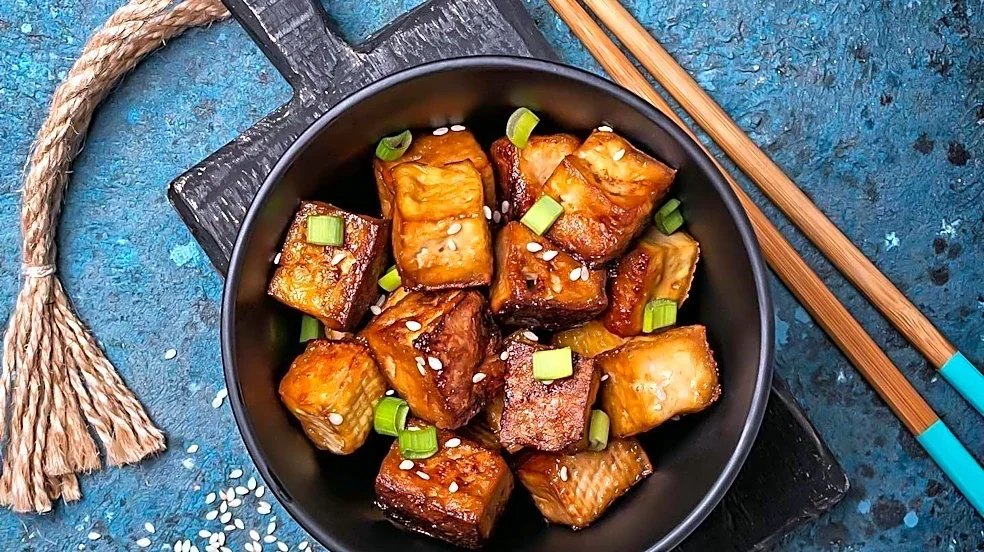
The global spread of teriyaki has led to a diverse range of interpretations. While the core concept of a glazed, grilled, or broiled dish remains, the specific ingredients and preparation methods can vary widely. In the U.S., the concept has expanded to include "teriyaki stir-fry," where meat or vegetables are stir-fried and then tossed in teriyaki sauce. Vegetarian ingredients can also be cooked teriyaki-style, demonstrating the technique's adaptability. This evolution underscores how a traditional cooking method can transcend its origins, adapting to local tastes and available ingredients while retaining a recognizable essence. The term teriyaki has become a broad descriptor for a flavor profile and cooking style that continues to be embraced and reinterpreted across different cuisines worldwide.