








The prescription opioid Vicodin, a combination of hydrocodone and paracetamol, has been at the center of significant public health and regulatory discussions in the United States. Its widespread use, coupled with concerns about overdose and liver damage, has led to substantial changes in how such medications are controlled and prescribed. The experiences of individuals, including professional golfer Tiger Woods, highlight the real-world implications
of these powerful drugs.
Regulatory Scrutiny and Overdose Concerns
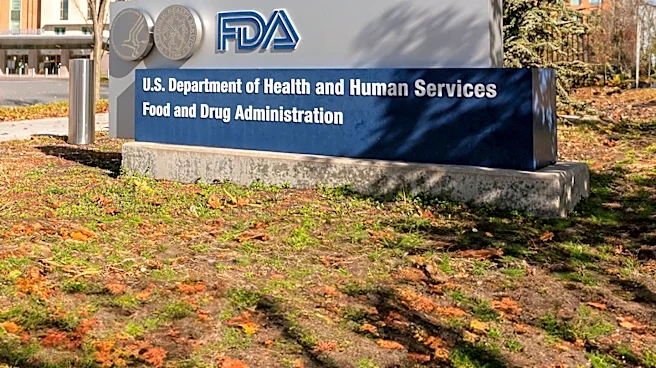
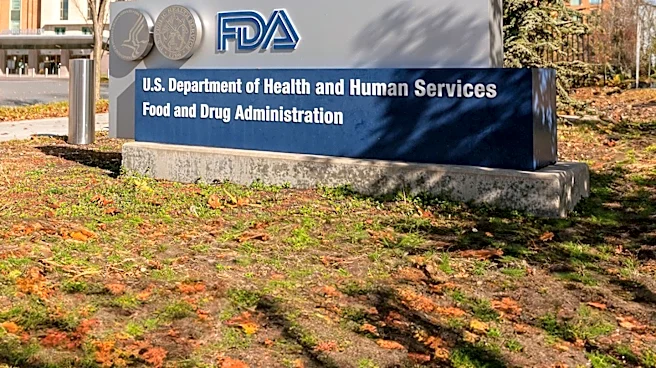
In June 2009, an advisory panel to the U.S. Food and Drug Administration (FDA) narrowly voted to recommend removing Vicodin and another opioid, Percocet, from the market. This recommendation stemmed from a "high likelihood of overdose from prescription narcotics and acetaminophen products." A major concern was the paracetamol component, also a key ingredient in common over-the-counter drugs like Tylenol. Paracetamol overdose is a serious issue, linked to approximately 400 deaths and 42,000 hospitalizations annually.
This advisory vote underscored the growing awareness of the risks associated with these combination drugs. The potential for both opioid addiction and liver damage from the paracetamol component presented a dual threat to public health. The FDA's subsequent actions reflected these concerns, aiming to mitigate the dangers while still allowing for legitimate medical use.
FDA Actions and DEA Rescheduling
Following the advisory panel's recommendations, the FDA took concrete steps in January 2011. It mandated that manufacturers of prescription combination products containing paracetamol limit the amount of paracetamol to no more than 325 mg per tablet or capsule within three years. Additionally, the FDA required a black box warning on all paracetamol-containing products, highlighting the potential for severe liver injury and allergic reactions. These measures aimed to reduce the risk of accidental overdose and liver damage.
Further regulatory changes came in August 2014 when the Drug Enforcement Administration (DEA) announced a significant rescheduling of all hydrocodone combination products (HCPs). These products, including Vicodin, were moved from Schedule III to Schedule II of the Controlled Substances Act (CSA), effective October 2014. This change reflected the increasing recognition of the abuse potential of opioid drugs, with over 16,000 deaths attributed to opioid abuse in 2010. Despite their legitimate medical uses, data indicated a significant number of individuals were misusing these medications, necessitating stricter controls.
Personal Impact: Tiger Woods' DUI Incident
The complexities surrounding prescription opioids were brought into sharp focus by the 2017 DUI arrest of professional golfer Tiger Woods. Woods stated that his impaired condition was due to an adverse reaction to four prescription drugs he was taking for a back operation, one of which was Vicodin. This incident highlighted how even individuals with legitimate prescriptions could experience unexpected side effects that lead to legal issues.
Woods' case became a prominent example of the challenges associated with managing pain and medication, particularly with powerful substances like Vicodin. His participation in a first-time DUI offender program, endorsed by Mothers Against Drunk Driving (MADD), further emphasized the societal impact of impaired driving, regardless of whether alcohol or prescription drugs were involved. The incident served as a public reminder of the potent effects of these medications and the importance of understanding their potential risks.