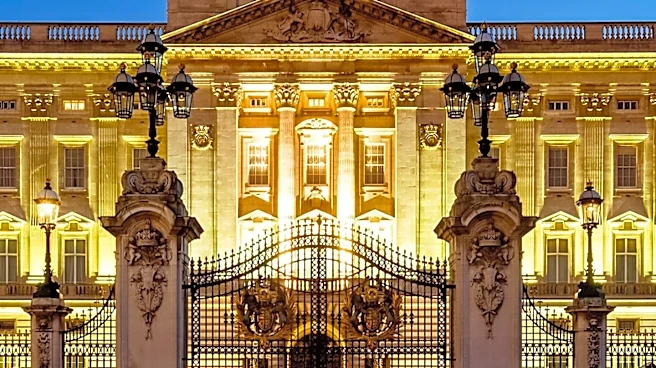




Buckingham Palace stands today as the official residence and administrative headquarters of the British monarch in London, England. However, its origins are far more modest, beginning as a private townhouse in the early 18th century. Over the centuries, this structure has undergone significant transformations, reflecting the changing needs and tastes of the British monarchy. Its journey from a duke's home to a grand palace illustrates a rich history
of architectural expansion and royal occupation, making it a central figure in British national life.
From Private Ownership to Royal Acquisition
The building that forms the core of modern-day Buckingham Palace was originally known as Buckingham House. It was constructed in 1703 as a large townhouse for the Duke of Buckingham and Normanby. This site had been under private ownership for at least 150 years before the duke commissioned his residence. The acquisition of this property by the royal family marked a pivotal moment in its history.
In 1761, King George III purchased Buckingham House. He intended it to be a private residence for his wife, Queen Charlotte, and it subsequently became known as The Queen's House. This acquisition laid the groundwork for its future as a royal abode, moving it from a private dwelling to a property directly associated with the British crown, though not yet its primary official residence.
Nineteenth-Century Expansion and Official Status
The early 19th century saw significant enlargement of the former Buckingham House. Architects John Nash and Edward Blore were instrumental in this transformation, constructing three wings around a central courtyard. These additions dramatically expanded the building's footprint and grandeur, beginning its evolution into the palace recognized today.
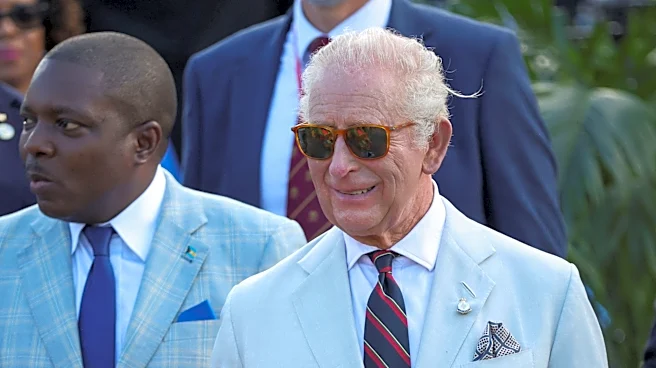
Buckingham Palace officially became the London residence of the British monarch upon the accession of Queen Victoria in June 1837. This event solidified its role as the primary royal home in the capital. From that point onward, every subsequent monarch occupied the palace, serving as a continuous symbol of the monarchy's presence in London, until the accession of King Charles III in 2022, who continues to conduct official duties there while residing nearby.
Later Additions and Public Access
The late 19th and early 20th centuries brought the last major structural additions to Buckingham Palace. Among these was the construction of the East Front, which is famously recognized for its balcony. This balcony is where the royal family traditionally appears to greet crowds during significant national events, further cementing the palace's role as a focal point for the British people.
During the Second World War, the palace suffered damage when a German bomb destroyed its chapel. In its place, the King's Gallery was built and opened to the public in 1962. This gallery serves to exhibit works of art from the Royal Collection, offering a glimpse into the royal treasures. Furthermore, the state rooms, which are used for official and state entertaining, are made accessible to the public each year for most of the summer, and on selected days in winter and spring, allowing visitors to experience the palace's historic interiors.