








The United States Revenue Cutter Service (USRCS) played a crucial role in enforcing maritime laws and combating smuggling from its inception in 1790. As the nation's first naval force, the USRCS was tasked with protecting the revenue of the United States by ensuring compliance with customs laws. This article delves into the service's law enforcement duties and its impact on the nation's financial stability.
Combating Smuggling
In the years following the American Revolutionary
War, the United States faced significant financial challenges. Import tariffs were a primary source of revenue, but widespread smuggling threatened this income. The USRCS was established to address this issue, with its cutters patrolling the nation's waters to intercept vessels attempting to evade customs duties.
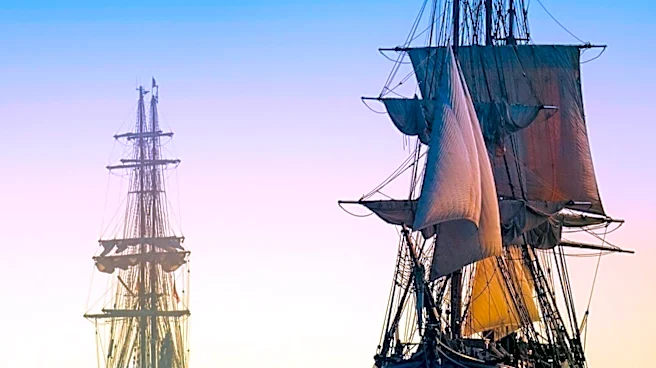
The cutters were designed to be fast and agile, capable of overtaking most merchant vessels. Their primary mission was to board incoming and outgoing ships, check their papers, and ensure that all cargoes were properly documented. By seizing vessels in violation of the law, the USRCS played a vital role in deterring smuggling and protecting the nation's revenue.
Enforcement of Maritime Laws
Beyond combating smuggling, the USRCS was responsible for enforcing a wide range of maritime laws. This included ensuring compliance with quarantine restrictions, which were crucial in preventing the spread of diseases. The service also enforced neutrality and embargo acts, reflecting its broader role in upholding the nation's legal framework.
The USRCS's law enforcement duties extended to charting coastlines and carrying supplies to lighthouse stations. These activities were essential for maintaining safe and efficient maritime navigation, further underscoring the service's importance in safeguarding the nation's waters.
Legacy of Maritime Law Enforcement
The USRCS's legacy in maritime law enforcement is evident in the modern United States Coast Guard, which continues to uphold the traditions and responsibilities of its predecessor. The service's early efforts in combating smuggling and enforcing maritime laws laid the groundwork for the Coast Guard's ongoing mission to protect the nation's maritime interests.
Today, the Coast Guard remains a critical component of the United States' law enforcement apparatus, reflecting the enduring significance of the USRCS's contributions. The service's history is a testament to its adaptability and effectiveness in addressing the nation's evolving maritime challenges.