







Falsettos, a musical by William Finn and James Lapine, made its Broadway debut in 1992, marking a significant moment in theater history. This production, which combined two earlier works, March of the Falsettos and Falsettoland, was directed by James Lapine and featured a talented cast that brought the complex story to life. The musical's exploration of family dynamics, Jewish identity, and the AIDS crisis resonated with audiences and critics alike,
earning it two Tony Awards.
A Unique Theatrical Experience
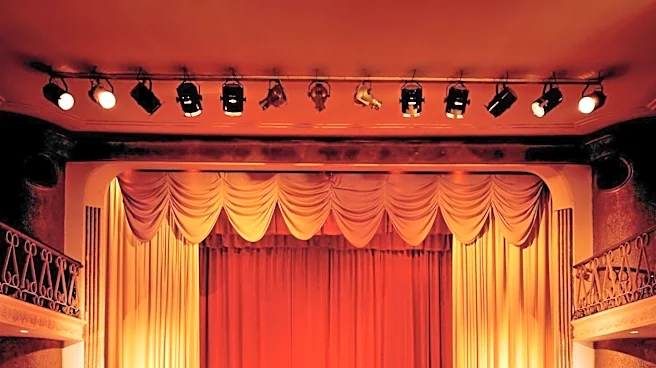
Falsettos opened at the John Golden Theatre on April 29, 1992, and ran until June 27, 1993, completing 487 performances. The production was notable for its sung-through format, where music and lyrics by William Finn carried the narrative without spoken dialogue. This approach allowed for a seamless flow of emotions and storytelling, engaging the audience in a deeply personal way. The original cast included Michael Rupert as Marvin, Stephen Bogardus as Whizzer, and Chip Zien as Mendel, among others. These actors reprised their roles from the off-Broadway productions, bringing a depth of understanding to their characters.
The scenic design by Douglas Stein, costumes by Ann Hould-Ward, and lighting by Frances Aronson contributed to the show's unique atmosphere. The minimalist set design, combined with the intimate setting of the John Golden Theatre, created a space where the audience could focus on the characters' emotional journeys. This production was a testament to the power of collaboration in theater, with each element working in harmony to support the story.
Themes and Storyline
Falsettos is centered around Marvin, a man who leaves his wife, Trina, for his male lover, Whizzer. The musical delves into the complexities of maintaining family bonds amidst personal upheaval. The first act, March of the Falsettos, explores the impact of Marvin's decisions on his family, while the second act, Falsettoland, addresses the challenges they face as Whizzer falls ill with AIDS.
The musical's themes of Jewish identity, gender roles, and gay life in the late 1970s and early 1980s are woven throughout the narrative. The story is both a reflection of its time and a timeless exploration of love and family. The characters' struggles and triumphs resonate with audiences, offering a poignant look at the human experience.
Critical Acclaim and Legacy
Falsettos received critical acclaim for its innovative storytelling and emotional depth. It was nominated for seven Tony Awards, winning Best Original Score and Best Book of a Musical. The production's success paved the way for future revivals and adaptations, including a 2016 Broadway revival that introduced the story to a new generation.
The original Broadway production of Falsettos remains a landmark in musical theater, celebrated for its bold exploration of complex themes and its impact on audiences. Its legacy continues to influence the world of theater, inspiring new works that challenge and engage viewers in meaningful ways.