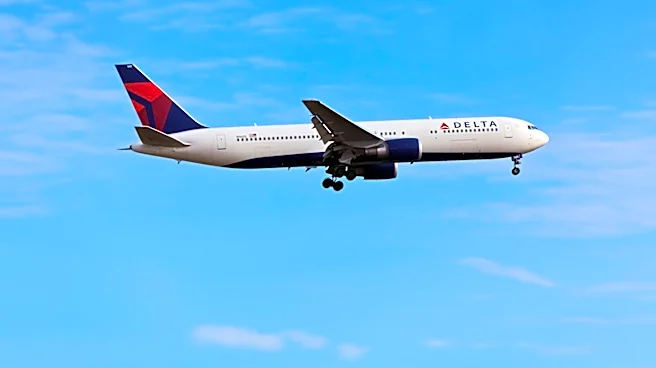




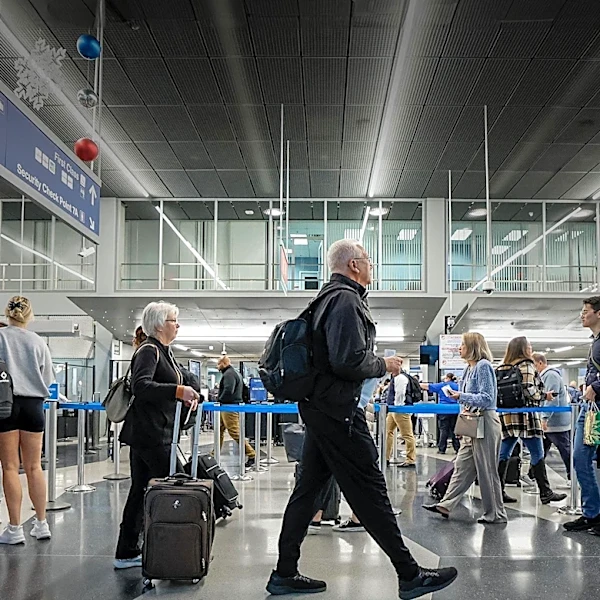




The merger of Delta Air Lines and Northwest Airlines was not merely a corporate agreement; it involved a massive undertaking of operational integration across various facets of the airlines' businesses. From consolidating airport facilities to merging frequent flyer programs and regional networks, the process required meticulous planning and execution. This integration aimed to create a seamless experience for passengers and efficient operations for the newly
formed entity, which became the world's largest commercial airline under the Delta brand.
Airport Consolidation and Terminal Moves
One of the immediate and visible changes resulting from the merger was the consolidation of operations at various airports where both Delta and Northwest had previously maintained separate facilities. This often meant one airline moving into the other's terminal to create a unified presence. For instance, at Tampa International Airport, Northwest relocated from its Airside A location to Delta's Airside E on April 28, 2009. This move allowed for co-location and streamlined passenger transfers.
Similarly, at Los Angeles International Airport, Northwest, which had a smaller operational footprint compared to Delta, moved into Delta's Terminals 5 and 6 from its previous location in Terminal 2 on June 30, 2009. Another significant consolidation occurred at Orlando International Airport, where Northwest moved from Airside 3 to Airside 4, joining Delta in a terminal where Delta already had a much larger presence. Prior to complete integration in 2010, Northwest operated specifically out of gates 72, 74, and 76 within Airside 4. The final airport to complete this transition from Northwest to Delta operations was Philadelphia International Airport, on January 18, 2010.
Regional Operations and Brand Unification
The merger also had a profound impact on the regional operations of both airlines. Northwest's regional brand, Northwest Airlink, was integrated into Delta Connection. This meant that the new Delta Connection would encompass the regional airlines that had previously operated for both Delta and Northwest, continuing under the unified Delta Connection banner. This strategic move aimed to consolidate regional services and leverage the combined network.
As part of this integration, specific changes were made to regional contracts. For example, on November 8, 2008, Delta and Mesaba Airlines, a fully owned regional subsidiary of Northwest Airlines, announced that certain CRJ900 aircraft would begin operating for Delta Connection starting February 12, 2009. Later, on July 1, 2010, Delta Air Lines sold Mesaba Airlines to Pinnacle Airlines Corp. for $62 million, citing cost reductions. Mesaba's headquarters were subsequently moved to Pinnacle's in Memphis, and Mesaba merged its operations into Pinnacle on January 4, 2012. On the same day, Trans States Holdings purchased Compass Airlines from Delta for $20.5 million, maintaining its regional operations.
Pilot Agreements and Frequent Flyer Programs
Beyond physical and operational integration, the merger also addressed agreements with employee groups and customer loyalty programs. On April 14, 2008, the same day the merger agreement was announced, Delta stated that it had reached an agreement with its pilot union to extend the existing collective bargaining agreement through the end of 2012. This agreement, subject to a pilot vote, provided Delta pilots with a 3.5% equity stake in the newly created airline, addressing a crucial aspect of employee relations during the transition.
Customer loyalty programs were also unified. Northwest WorldPerks, Northwest's frequent flyer program, was merged into Delta SkyMiles on October 1, 2009. This consolidation provided a single, comprehensive loyalty program for passengers of the combined airline. While Delta had indicated during merger talks that it would not close any hubs, the years following the merger saw changes to its hub strategy, with Cincinnati and Memphis being drawn down or closed by 2013, and a pull-out from Tokyo–Narita in 2020.