
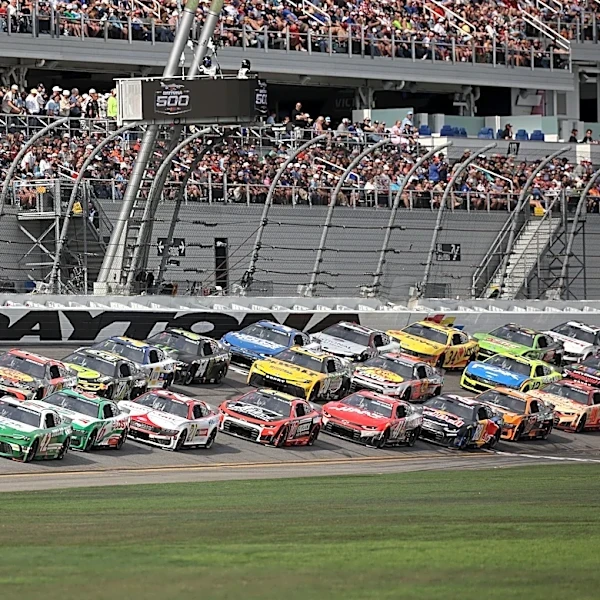

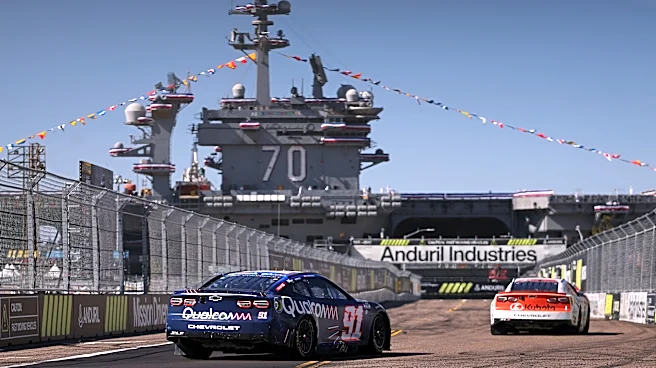
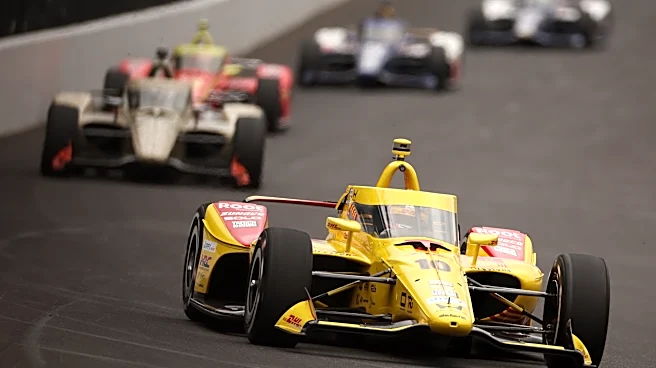
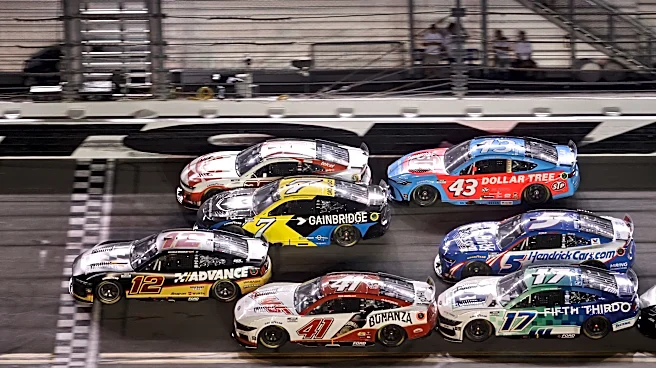
In the dynamic world of motorsports, how a race begins can significantly impact its safety and flow. One common method is the rolling start, a procedure where cars are already in motion, typically behind a safety car, before the official race commencement. This approach contrasts with a standing start, where vehicles begin from a stationary position. Rolling starts are widely adopted across various racing disciplines due to their efficiency and safety benefits,
particularly in managing large fields of cars and facilitating quick restarts after interruptions.
Procedure and Signals
The process of a rolling start is carefully orchestrated to ensure fairness and safety. Initially, cars are ordered on the track and follow a safety car for a predetermined number of laps, known as parade or caution laps, maintaining a safe speed. When race conditions are deemed ready, the safety car exits the track, usually some distance before the finish line. Following the safety car's departure, a race marshal displays the green flag, signaling that the field is permitted to accelerate to race speeds. In modern racing, this information is often communicated to drivers via two-way radio, or through specific acceleration zones marked by lines or cones, which are determined during pre-race briefings for drivers and mechanics.
In international-level motorsport, rolling starts are frequently initiated by a change in starting lights from red to green after a specified number of green flag pace laps. The red lights are pre-illuminated partway around the final pace lap and then switch to green once the starter is satisfied with the field's composition. Should conditions necessitate, an international rolling start can be aborted by keeping the red lights illuminated and displaying an "Extra Formation Lap" board or flashing yellow lights, indicating a delay or a need for another formation lap.
Rules and Fair Play
To prevent drivers from gaining an unfair advantage during a rolling start, several strict rules are enforced. For instance, drivers positioned on the inside line are generally prohibited from overtaking cars on the outside until they have crossed the start line. Throughout the pace laps, drivers must remain behind the safety car and maintain their designated position within the field, unless they are entering the pits or have been explicitly granted permission to maneuver around another vehicle. As the green flag approaches and the pace car prepares to exit, drivers are required to maintain both their speed and position, heading towards the proper racing line.
A crucial rule also dictates that the lead driver cannot excessively slow down the field. This prevents them from causing trailing cars to bunch up, which could allow the leader to get a jump on the restart by accelerating away from a compressed pack. These regulations are vital for preserving the integrity of the race start and ensuring that all competitors have an equitable opportunity to begin racing.
Applications and Exceptions
Rolling starts are a staple in many motorsports, including stock car racing, sports car racing, and various worldwide touring car championships. However, formula sports, such as Formula One, typically avoid rolling starts for the initial race commencement. This preference is often due to the specific physics and technology involved in these sports, where being too close to the car in front for an extended period can lead to overheating and engine problems. Additionally, the quicker acceleration times and increased dangers associated with accidents in formula sports contribute to the preference for standing starts.
Despite this general tendency, Formula One does have a specific rule allowing for a rolling start in cases of an excessively wet track. In such conditions, the race may begin with cars behind the safety car, and laps start counting immediately. This provision prioritizes safety when visibility and grip are severely compromised. Furthermore, virtually all restarts in motorsports, regardless of the initial start type, are conducted as rolling starts. This is primarily due to time constraints, as it is significantly quicker to get cars back into racing action with a rolling restart compared to the ten minutes required for a standing start restart under the FIA Code after a red flag incident.