







"All the Things You Are," a timeless composition by Jerome Kern with lyrics penned by Oscar Hammerstein II, first graced the stage in 1939 as part of the musical "Very Warm for May." This song, initially performed by a quartet of artists including Hiram Sherman, Frances Mercer, Hollace Shaw, and Ralph Stuart, quickly transcended its theatrical origins. Its journey from a Broadway show tune to a revered jazz standard highlights its remarkable adaptability
and enduring appeal across different musical genres and eras. The song's distinctive AABA form and melodic richness have cemented its place in the annals of American music.
From Broadway to the Silver Screen
The song's initial debut in "Very Warm for May" marked its entry into the public consciousness. While the musical itself might not be as widely remembered today, "All the Things You Are" found new life and broader exposure through its appearances in film. In 1944, it was featured in the movie "Broadway Rhythm," further solidifying its presence beyond the stage.
Its cinematic journey continued in 1945, where it served as a recurring theme in the romantic comedy "A Letter for Evie." This repeated exposure in popular films helped to embed the melody and lyrics into the cultural fabric, making it recognizable to a wider audience and paving the way for its eventual embrace by jazz musicians. The transition from a specific musical context to a more general popular appeal is a testament to its inherent musical quality.
The Birth of a Jazz Standard
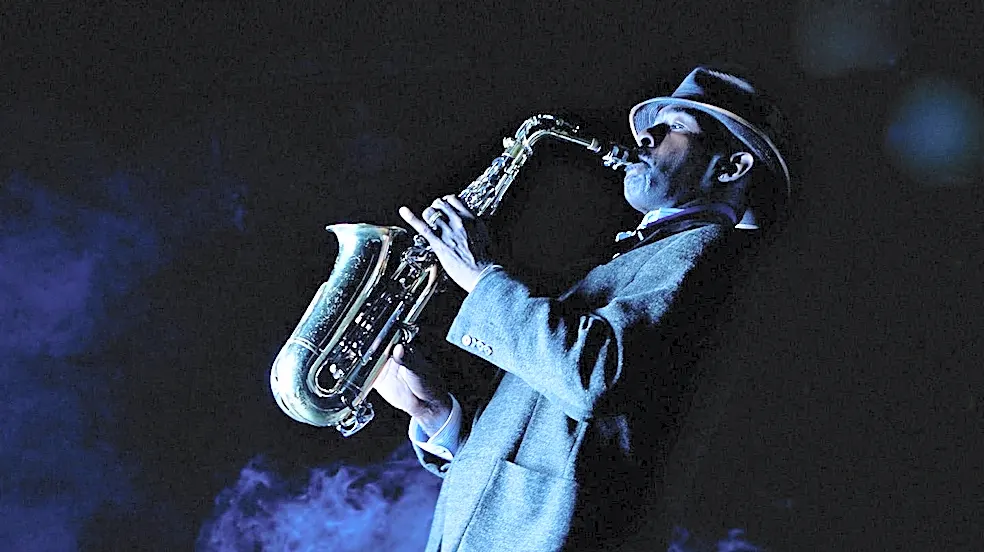
The true measure of "All the Things You Are's" impact lies in its transformation into a jazz standard. This designation signifies a piece that is widely known, performed, and recorded by jazz artists, serving as a common ground for improvisation and musical exploration. Its sophisticated harmonic structure and memorable melody made it an ideal vehicle for jazz interpretation.
Notable recordings by big band leaders like Tommy Dorsey and Artie Shaw in the early to mid-1940s were crucial in popularizing the song within the jazz community. These early interpretations showcased the song's versatility and its capacity to be reinterpreted while retaining its core identity. The song's AABA form, a common structure in popular music, provided a familiar yet rich framework for jazz musicians to build upon, allowing for both adherence to the original melody and extensive improvisation.
Inspiring Contrafact Tunes
Beyond its direct performance, "All the Things You Are" has had a profound influence on jazz through the creation of "contrafact" tunes. A contrafact is a new melody composed over the existing chord changes of an older song. This practice is a cornerstone of jazz improvisation and composition, allowing musicians to explore new melodic ideas while relying on a proven harmonic foundation.
The song's robust and interesting chord progression has made it a fertile ground for such creations. This indirect influence demonstrates the depth of its musical contribution, as it not only stands as a beloved piece in its own right but also serves as a foundational text for new musical works within the jazz idiom. The continued creation of contrafacts based on its structure ensures its harmonic and melodic ideas remain vibrant and relevant in contemporary jazz.