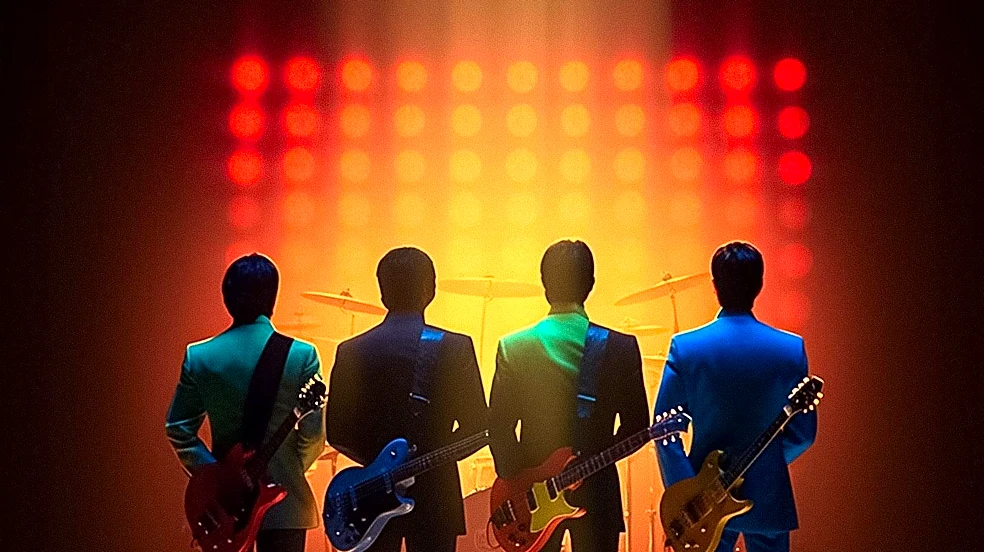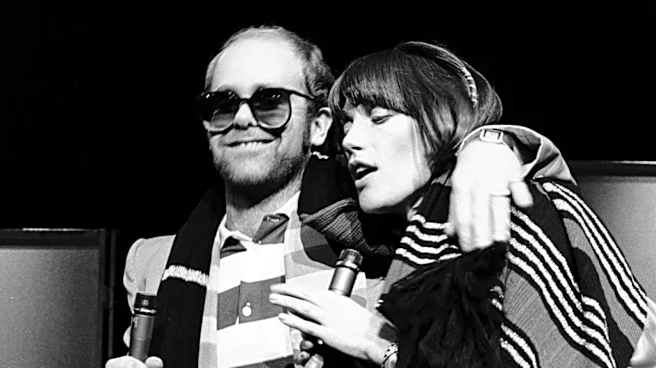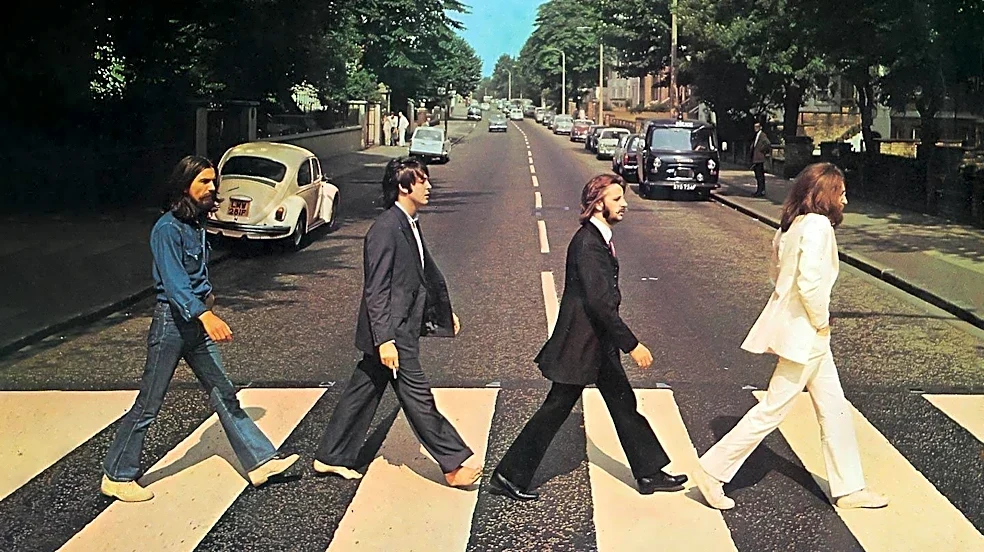









"I Want to Hold Your Hand" transcended its initial success as a chart-topping single to become a song with an enduring legacy, recognized for its cultural impact and continued relevance decades after its release. While its immediate effect was to launch the Beatles into superstardom in the United States and kickstart the British Invasion, its long-term significance lies in its status as one of the most iconic and best-selling singles in music history.
The song's composition, recording, and subsequent global reception cemented its place as a landmark achievement in popular music.
A Global Phenomenon and Record-Breaking Sales
Following its release in the United Kingdom on November 29, 1963, "I Want to Hold Your Hand" quickly demonstrated its immense popularity. By November 1963, Parlophone Records had already received 950,000 pre-orders for the single. This initial demand rapidly translated into massive sales, with 1.509 million copies sold by the end of January 1964 in the UK alone. The song reached the top of the British charts on December 12, 1963, and held that position for five consecutive weeks, showcasing its immediate dominance.
Its success was even more pronounced in the United States, where it was released on December 26, 1963. The single, with "I Saw Her Standing There" as its B-side, hit number one on February 1, 1964, and stayed there for seven weeks. The sales figures in the U.S. were extraordinary: one million copies sold by January 10, 1964, 3.4 million by March 28, and ultimately 4.9 million records. This unprecedented success in America not only made it the Beatles' first U.S. number-one hit but also triggered the British Invasion, opening doors for numerous other British bands to find success across the Atlantic. Globally, "I Want to Hold Your Hand" has sold over eleven million copies, making it the second best-selling single from Great Britain to date.
Critical Acclaim and Pop Culture Influence
The song's influence extends beyond its commercial success. Its musical structure, characterized by a two-bridge model and the alternating unison and harmony vocals of Lennon and McCartney, showcased a sophisticated yet accessible pop sensibility. The track's use of four-track recording equipment was also a notable technical advancement for the band at the time, contributing to its polished sound.
Decades after its release, "I Want to Hold Your Hand" continues to receive critical recognition. In 2004, the esteemed music magazine Rolling Stone ranked it at number 16 on its list of the "500 Best Songs of All Time," underscoring its lasting artistic merit and historical importance. The song's title also inspired a 1978 American historical comedy film directed by Robert Zemeckis, which depicted a group of teenagers attempting to gain entry to the Beatles' first live appearance on The Ed Sullivan Show on February 9, 1964. This cinematic tribute further illustrates the song's deep embedding in popular culture and its symbolic association with the dawn of Beatlemania.