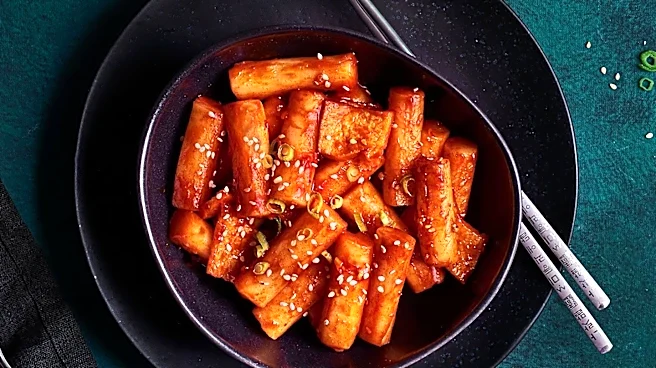









Tteokbokki, a beloved Korean dish, has a rich history that traces back to the royal courts of Korea. This dish, made from stir-fried rice cakes, has evolved significantly over the centuries. Today, it is a staple of Korean street food culture, enjoyed by people from all walks of life. This article explores the fascinating journey of tteokbokki from its noble beginnings to its current status as a popular street food.
Royal Beginnings
Tteokbokki's origins can be traced
back to the royal courts of Korea, where it was known as gungjung-tteokbokki, or royal court tteokbokki. This version of the dish was quite different from the spicy variant popular today. It was made with white rice cakes, sirloin, sesame oil, soy sauce, scallions, rock tripe, pine nuts, and toasted sesame seeds. The dish was a part of the royal cuisine before the introduction of chili peppers to Korea in the mid-Joseon era.
The earliest record of tteokbokki appears in the 19th-century cookbook Siuijeonseo, where it was listed under various names, including tteokjjim and tteok-japchae. These names reflect the different ways rice cakes were prepared and enjoyed in the royal courts. The dish was a favorite among the royals, often served as a side dish or snack.
Transition to Street Food
The transformation of tteokbokki from a royal dish to a popular street food began in the mid-20th century. The spicy variant of tteokbokki, made with gochujang (Korean chili paste), is believed to have first appeared in 1953. This version was created by Ma Bok-rim, who accidentally dropped rice cakes into a dish of jajangmyeon. The combination of rice cakes and spicy sauce was a hit, leading to the creation of the spicy tteokbokki we know today.
As South Korea's economy developed, tteokbokki became more accessible to the general public. It was sold at snack bars and street stalls, known as bunsikjip and pojangmacha, respectively. The dish's affordability and delicious taste made it a favorite among the working class, further cementing its place in Korean street food culture.
Modern Variations and Global Reach
Today, tteokbokki is enjoyed in various forms and flavors. Modern variations include curry-tteokbokki, cream sauce-tteokbokki, and seafood-tteokbokki, among others. These variations reflect the dish's adaptability and the creativity of Korean cuisine.
Tteokbokki has also gained international recognition, with dedicated restaurants and food stalls appearing in countries around the world. The dish's global popularity was further boosted by its mention in the memoir "I Want to Die but I Want to Eat Tteokbokki," which introduced it to a wider audience.
In conclusion, tteokbokki's journey from the royal courts to street stalls is a testament to its enduring appeal and versatility. Whether enjoyed as a spicy street snack or a savory royal dish, tteokbokki continues to be a beloved part of Korean culinary tradition.